
Der Einsiedler — History & Facts
In the quietude of solitude, a profound dialogue unfolds between the past and present, echoing the heart of revolution. Look to the left at the solitary figure, wrapped in introspection, shrouded by the wilderness. The earthy hues of browns and greens converge in a sweeping landscape, giving life to a backdrop that feels both oppressive and liberating. The soft brushstrokes capture the gentle sway of the trees, their leaves shimmering like whispers in the breeze, inviting the viewer to step closer and witness the hermit's internal struggle with the awakening world around him. Delve deeper into the composition, where the stark contrast between the figure’s stillness and the vibrancy of nature reveals a tension between isolation and freedom.
The light filtering through the foliage embodies hope, illuminating the hermit’s contemplative expression, suggesting a yearning for change amidst the tumult of existence. Each detail, from the gnarled roots beneath his feet to the sky hinting at an impending storm, reflects the inner turmoil that accompanies the desire for transformation. Ludwig Sckell painted this piece during a time charged with artistic and societal upheaval, likely in the late 19th century as new movements began to take root across Europe. The artist immersed himself in the world of Romanticism, a period marked by fervent exploration of individualism and nature.
As revolutions stirred across the continent, Sckell’s work encapsulated the tension between one's inner sanctum and the call of the wider world, inviting viewers to ponder the cycles of change and the emotions they evoke.
More Artworks by Ludwig Sckell
Browse all →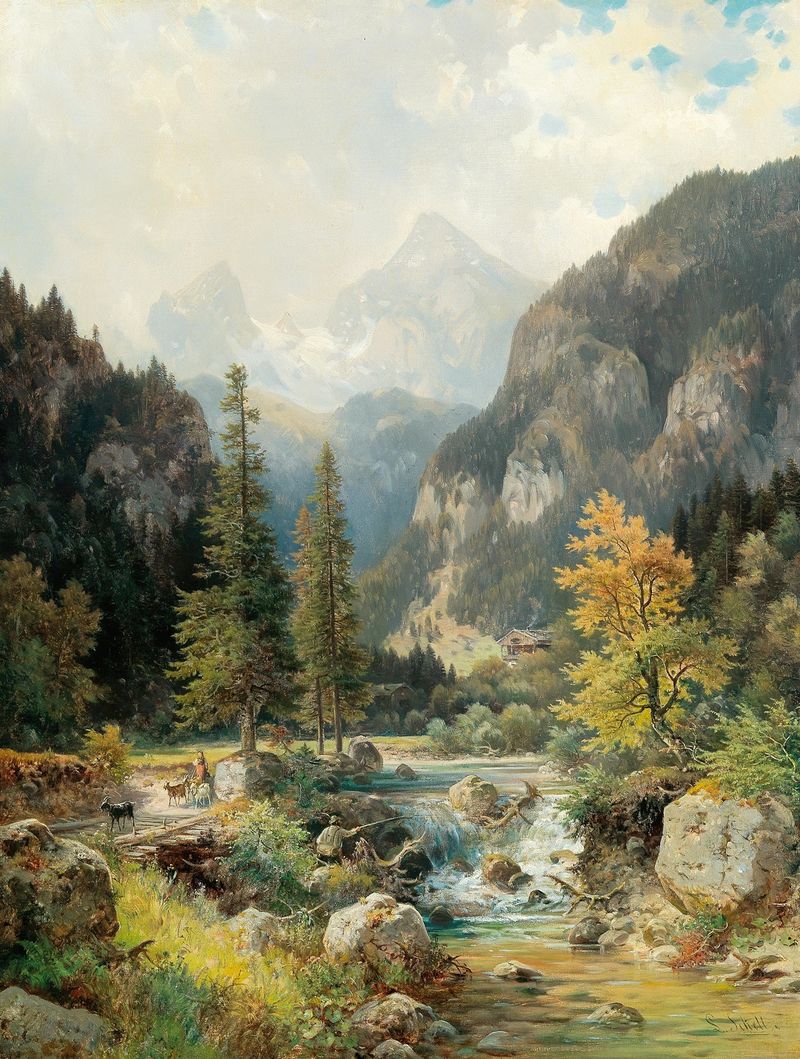
Scene near Berchtesgaden with Watzmann
Ludwig Sckell
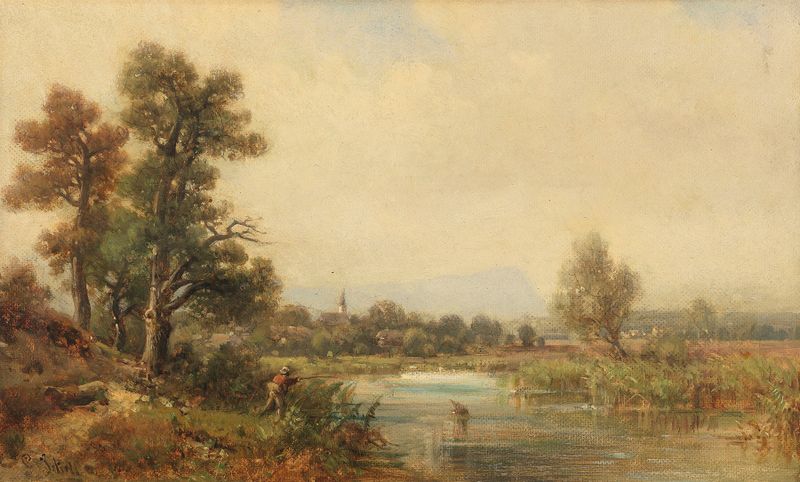
Kleine Flußlandschaft
Ludwig Sckell
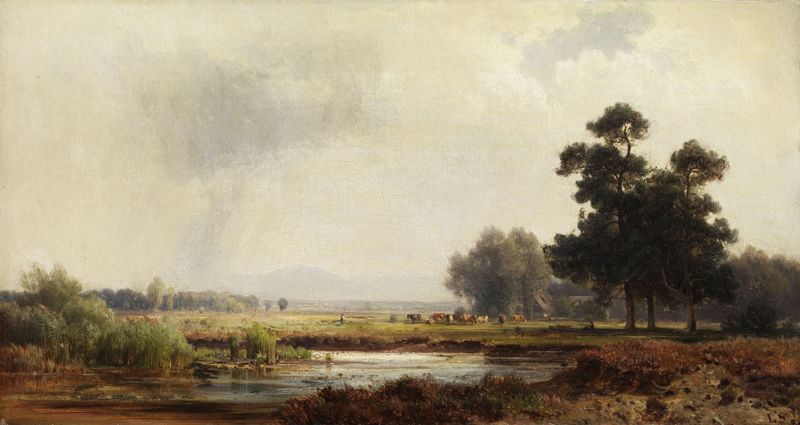
Voralpenlandschaft
Ludwig Sckell
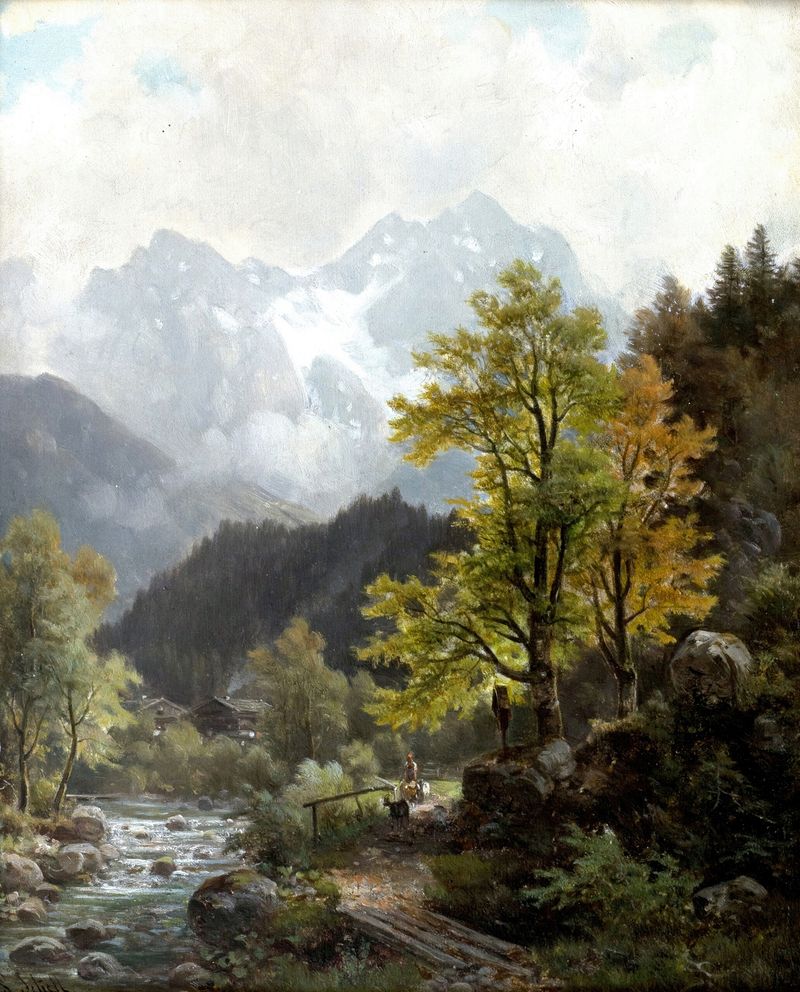
Partie im Berchtesgadener Land
Ludwig Sckell
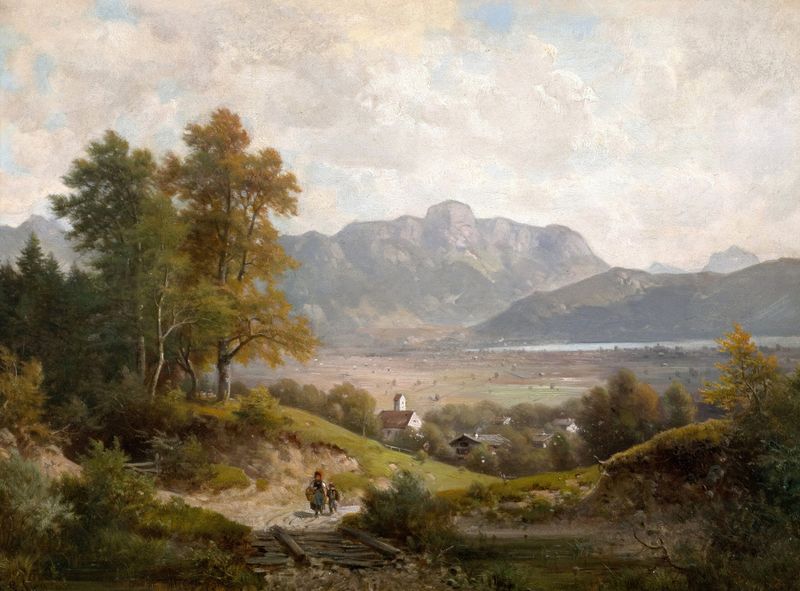
Blick auf den Kochelsee und Jochberg
Ludwig Sckell
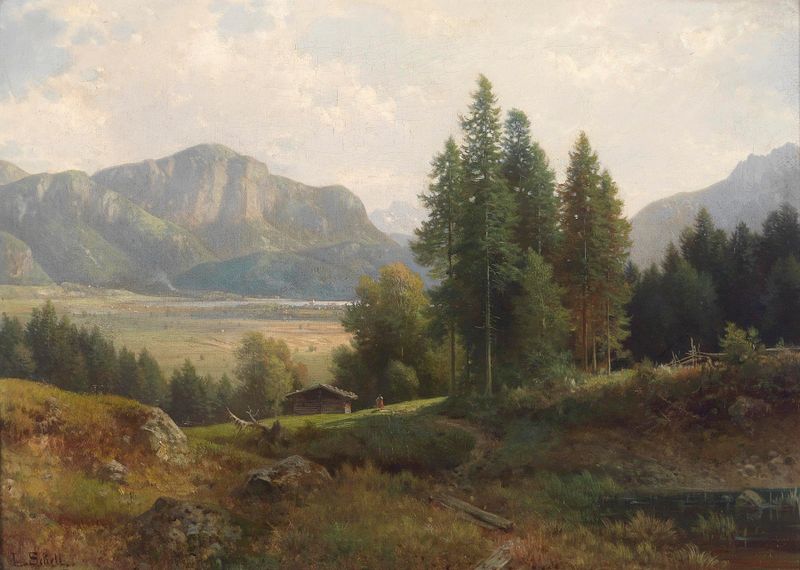
Partie am Kochelsee
Ludwig Sckell
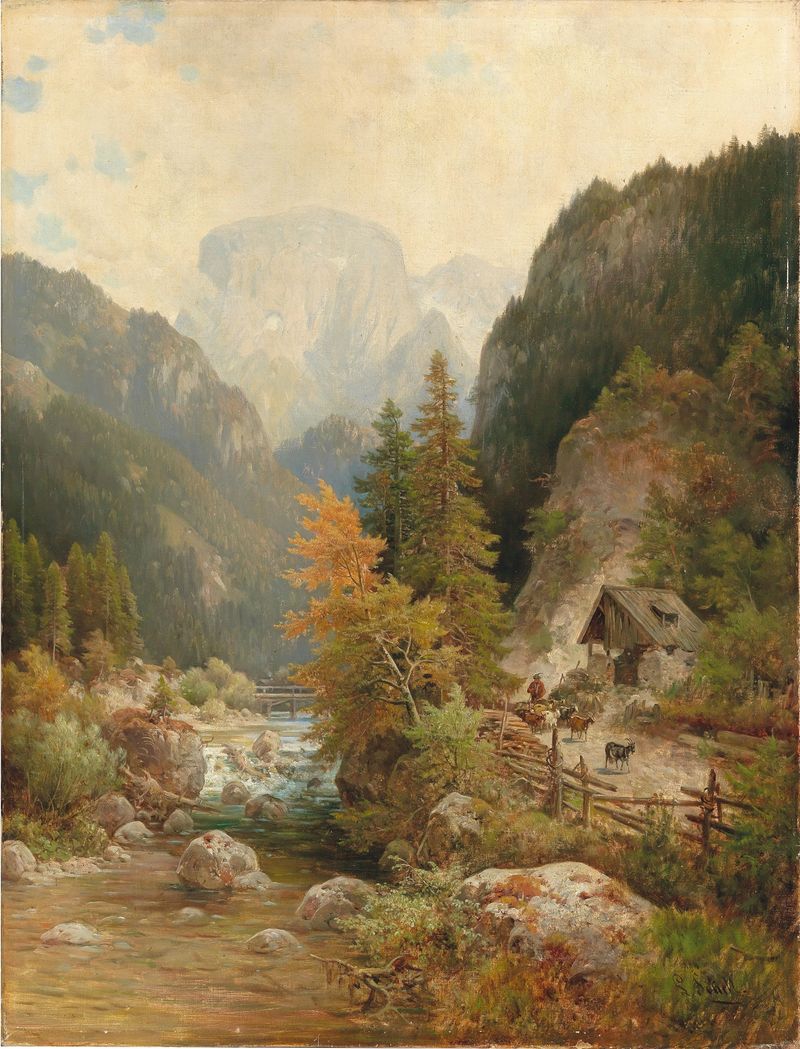
Hirten und Herde am Weg bei einem Wildbach
Ludwig Sckell
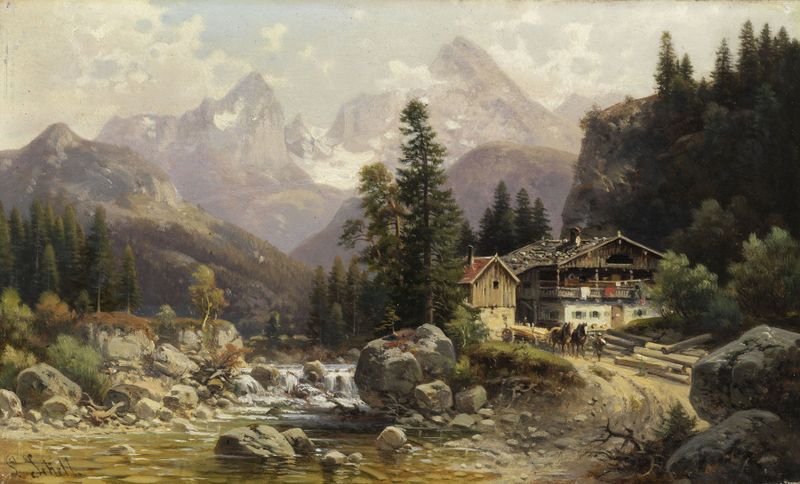
Alpenlandschaft mit Mühlengebäude
Ludwig Sckell
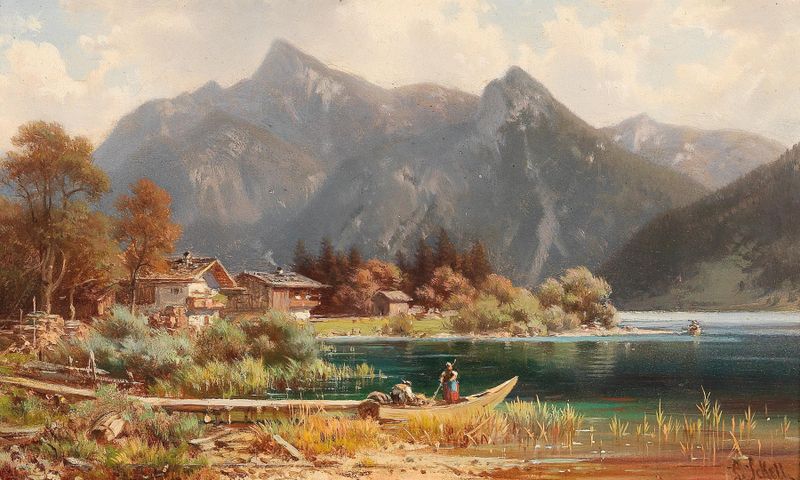
Summer on Schliersee
Ludwig Sckell
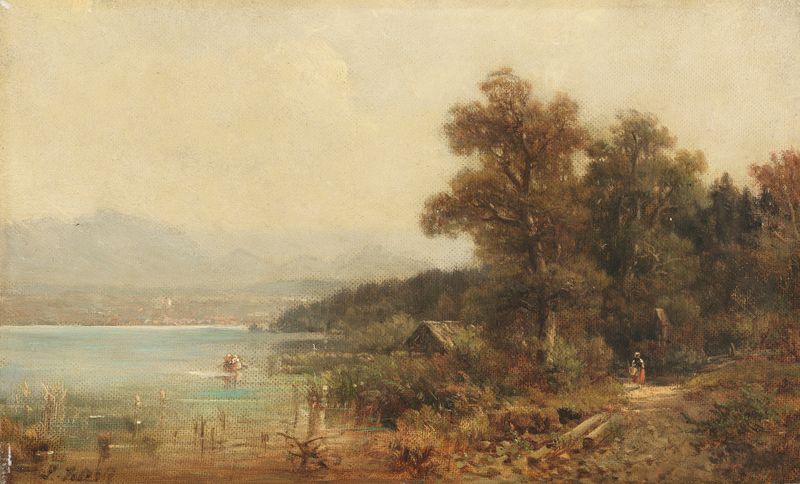
Oberbayrische Seelandschaft
Ludwig Sckell





