Blick auf die Elbe bei Dresden — History & Facts
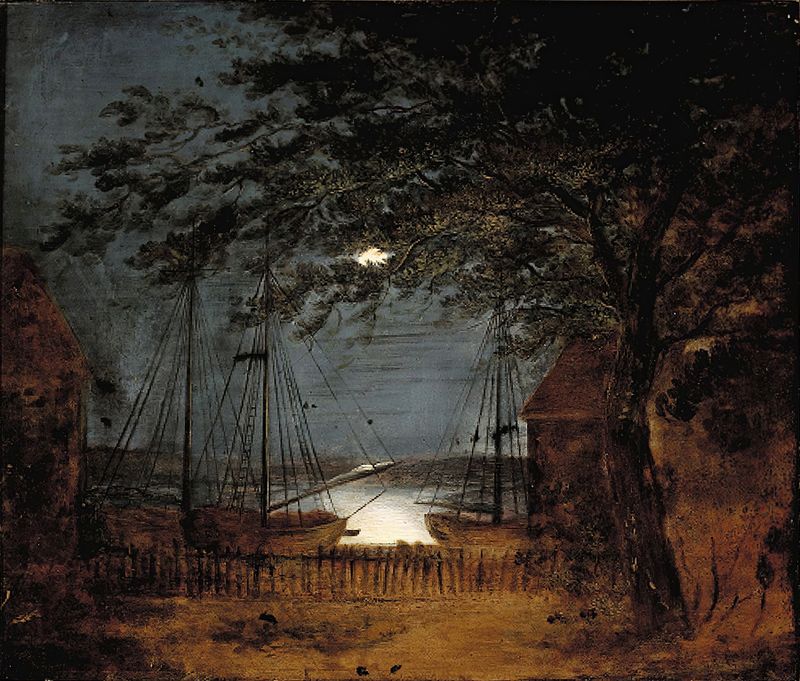
The quiet yet evocative beauty of art holds its own revolution, challenging the boundaries of perception and thought. Look to the center of the canvas, where the gentle curve of the Elbe River unfurls under a soft, luminous sky. The delicate blues and greens blend seamlessly, drawing your gaze toward the horizon where water meets land. Notice how the sunlight glimmers on the surface, creating a shimmering path that invites contemplation.
The meticulous attention to detail in the trees and distant buildings reveals a world alive with tranquility, whispering secrets of a bustling city just beyond the frame. A subtle tension permeates the painting, as the serene landscape contrasts with the historical turbulence of 1825. The untouched beauty of nature stands in stark juxtaposition to the political upheavals of the era, hinting at struggles that lie beneath the surface. The stillness of the scene belies the yearning for change, encapsulating a moment that feels both personal and collective.
Each brushstroke pulses with an energy that speaks to the artist’s own reflections of hope and revolution. In 1825, Fabritius De Tengnagel was immersed in a time of artistic transition, caught between romantic idealism and the impending wave of modernism. Painted in Dresden, the work reflects a period where landscape painting was evolving, embodying both a celebration of beauty and a subtle commentary on the socio-political landscape. As he navigated his own artistic journey, he captured this yearning for renewal, leaving a legacy that resonates deeply today.