Blick auf Esslingen am Neckar — History & Facts
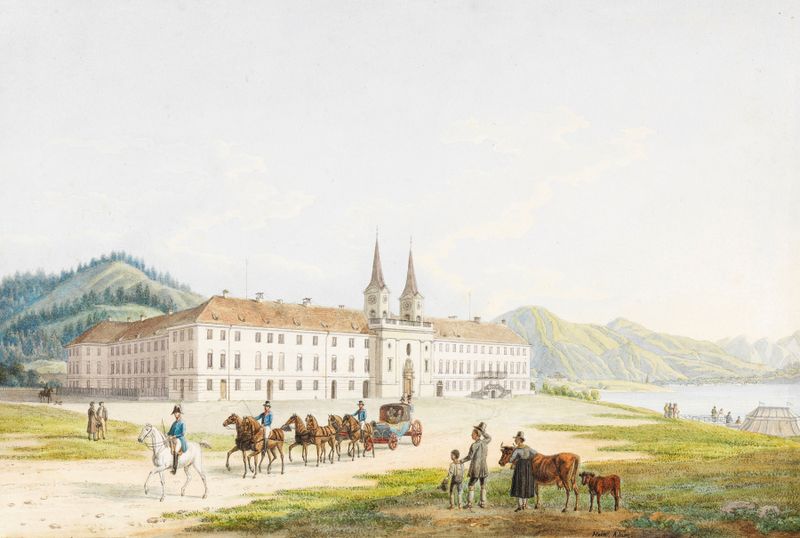
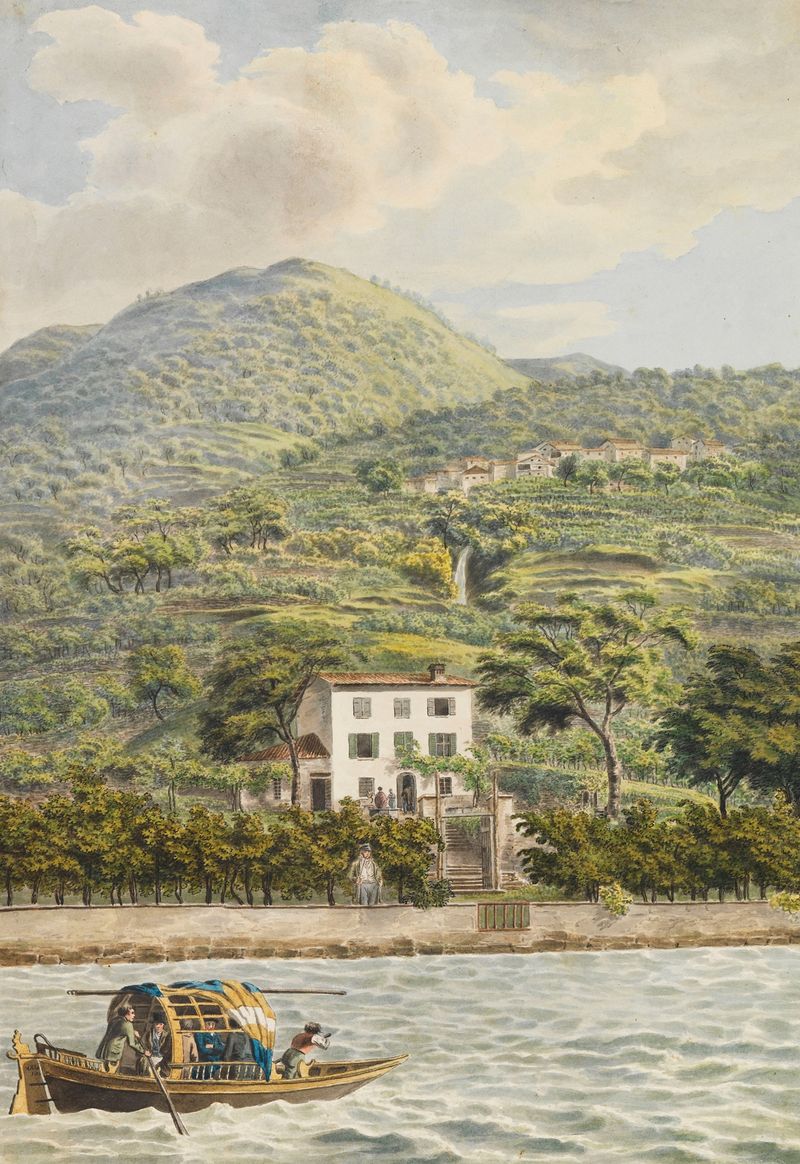
What if silence could speak through light? In Blick auf Esslingen am Neckar, a mesmerizing illusion emerges, captivating the viewer with its serene yet vibrant depiction of the landscape. Focus on the gentle curve of the river as it winds through the canvas, drawing your eye with its reflective surface that sparkles under the golden sun. Notice how the soft palette of greens and browns harmonizes with the hints of azure in the sky, creating an inviting atmosphere. The architecture of Esslingen rises in the distance, depicted with meticulous precision, while the delicate brushstrokes breathe life into the lush foliage lining the banks, inviting the viewer to travel into this tranquil setting. The quietude of the scene contrasts with the potential vibrancy of life.
While the town seems still, each element teems with unexpressed stories; the meticulously rendered buildings may house laughter, conversations, or secrets unknown. The river, an ever-flowing presence, symbolizes time — fluid yet anchored in place. These layers of meaning speak to the viewer’s longing for connection and the silent stories that landscapes hold. Heinrich Adam painted this work in 1841, at a time when he was immersed in the burgeoning Romantic movement in Germany.
Working in this period, his focus on natural beauty and emotional resonance coincided with a growing appreciation for landscapes in art. This piece reflects not only his technical skill but also the era's fascination with nature as a mirror to human emotion.