
Blick auf Hallstatt — History & Facts
This paradox lingers in the heart of Blick auf Hallstatt, where a serene landscape masks deeper, unspoken truths. It compels the viewer to question what lies beneath the surface of picturesque beauty, challenging the notion that tranquility is free from turmoil. Look closely at the left side of the canvas, where the quaint village of Hallstatt rests, nestled against towering, rugged mountains. The sunlight bathes the rooftops in a warm glow, inviting the gaze.
Notice how the deep blues of the lake reflect the sky and the craggy peaks, creating a harmonious yet unsettling duality. The use of rich colors and meticulous brushwork suggests a moment frozen in time, even as the shadows hint at the weight of history and emotional depth hidden within this idyllic tableau. The juxtaposition of the serene village and its formidable surroundings reflects an emotional tension – a betrayal of appearances. The viewer senses that behind the tranquil façade lies a narrative of struggle and conflict, perhaps a history of lost ambitions or fractured relationships.
The delicate beauty of the scene beckons, yet the imposing mountains loom, reminding us that nature can both shelter and isolate, embodying the complexities of human experience. Gustav Barbarini painted Blick auf Hallstatt in 1874 while living in Vienna, amidst a rich cultural landscape steeped in the influences of Romanticism. During this period, artists were exploring emotional depth and the interplay of light and shadow, pushing boundaries. As Barbarini captured Hallstatt, he was not only showcasing a visual marvel but also responding to the social and artistic currents of his time, which sought to express the complexities of beauty interwoven with pain.
More Artworks by Gustav Barbarini
Browse all →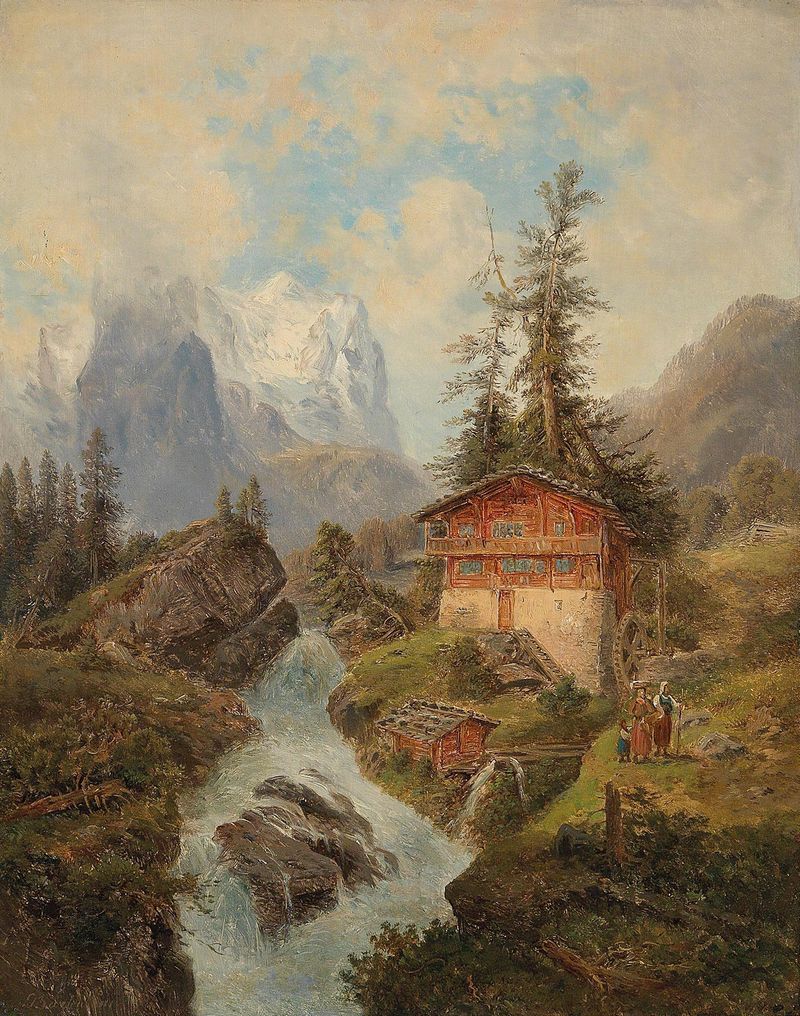
Das Wetterhorn
Gustav Barbarini
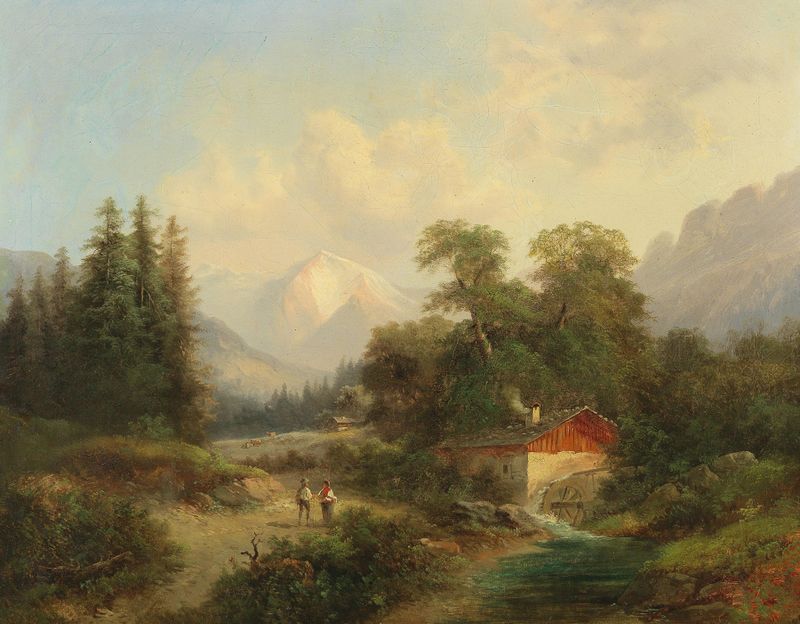
View of the Breite Riss, Puchberg in the Schneeberg Region
Gustav Barbarini
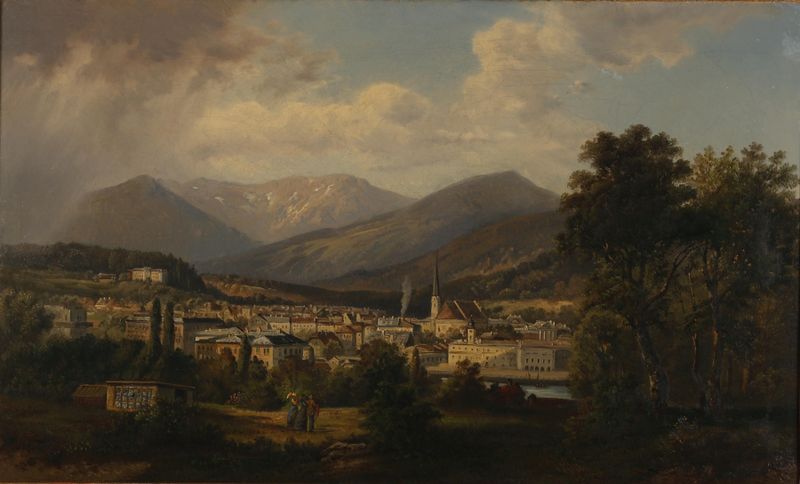
Blick auf Bad Ischl
Gustav Barbarini
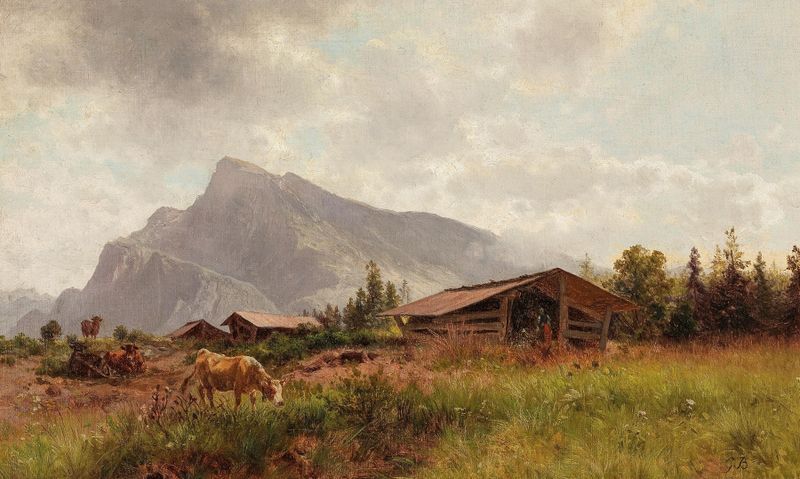
A View of Untersberg from Wals
Gustav Barbarini
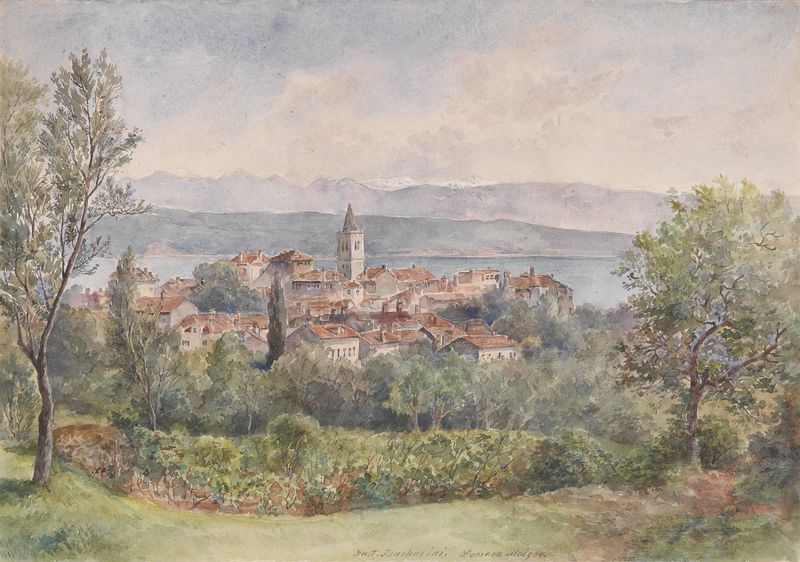
Blick auf Lovran
Gustav Barbarini
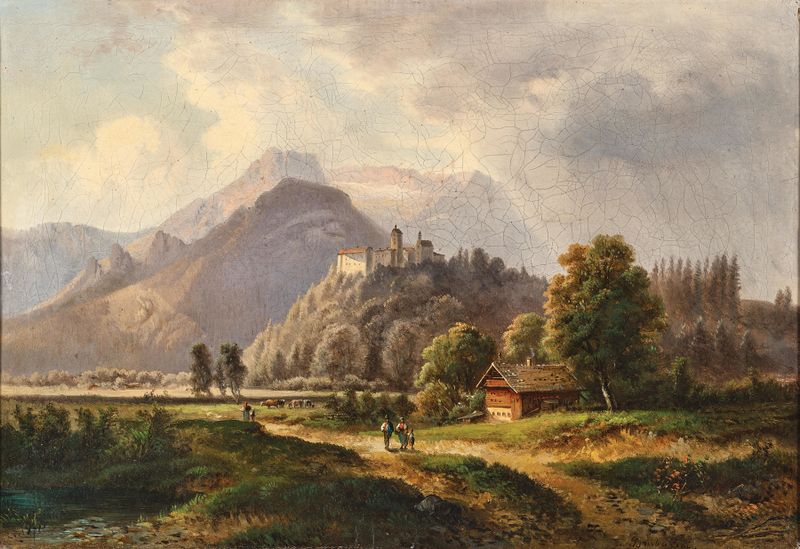
A View of the Glanegg Castle Ruins
Gustav Barbarini
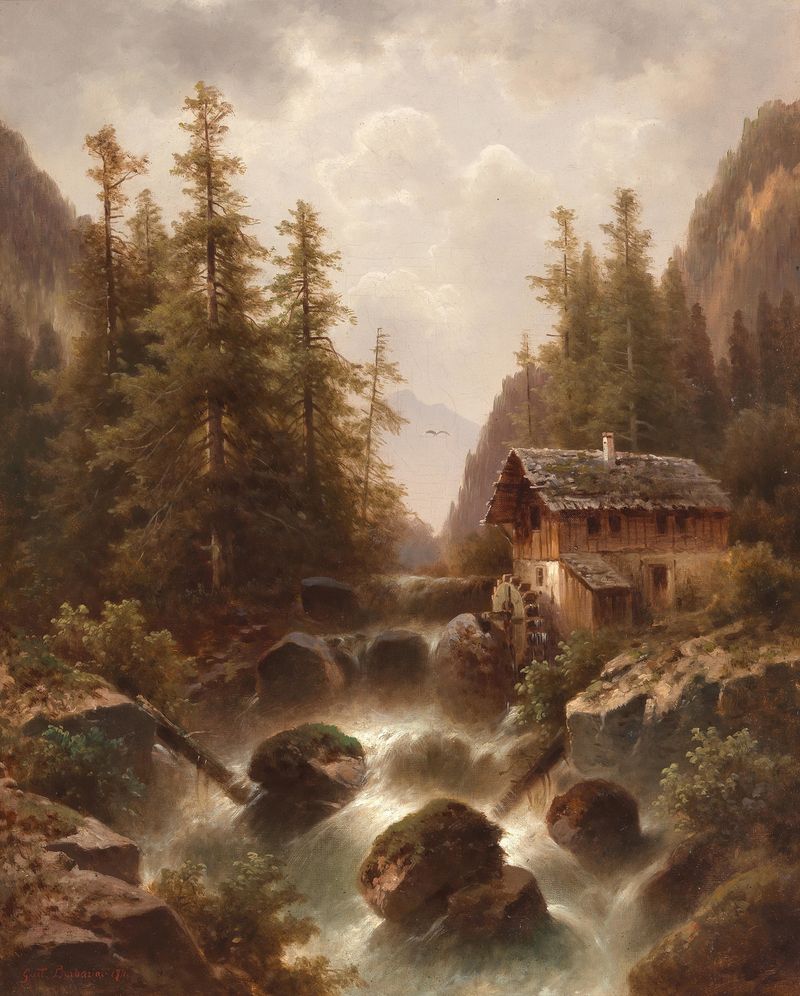
A Mill by a Mountain Torrent
Gustav Barbarini
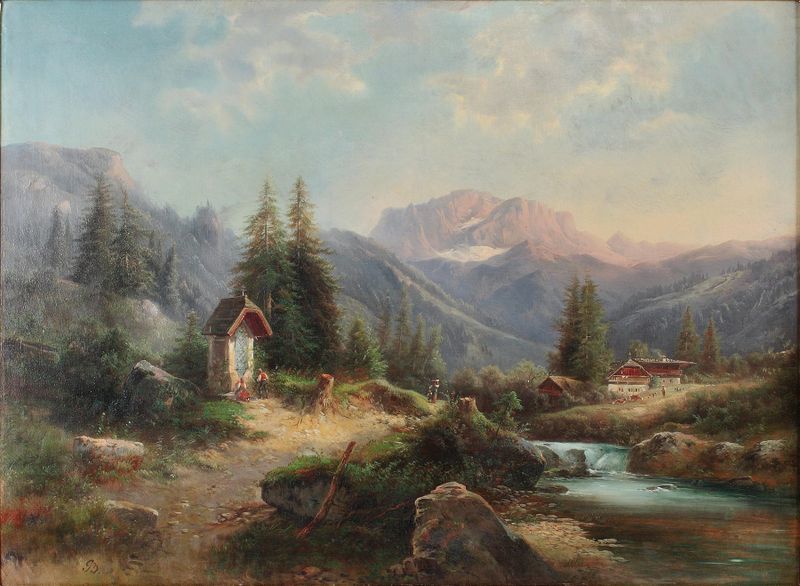
Bachlandschaft mit Figurenstaffage
Gustav Barbarini
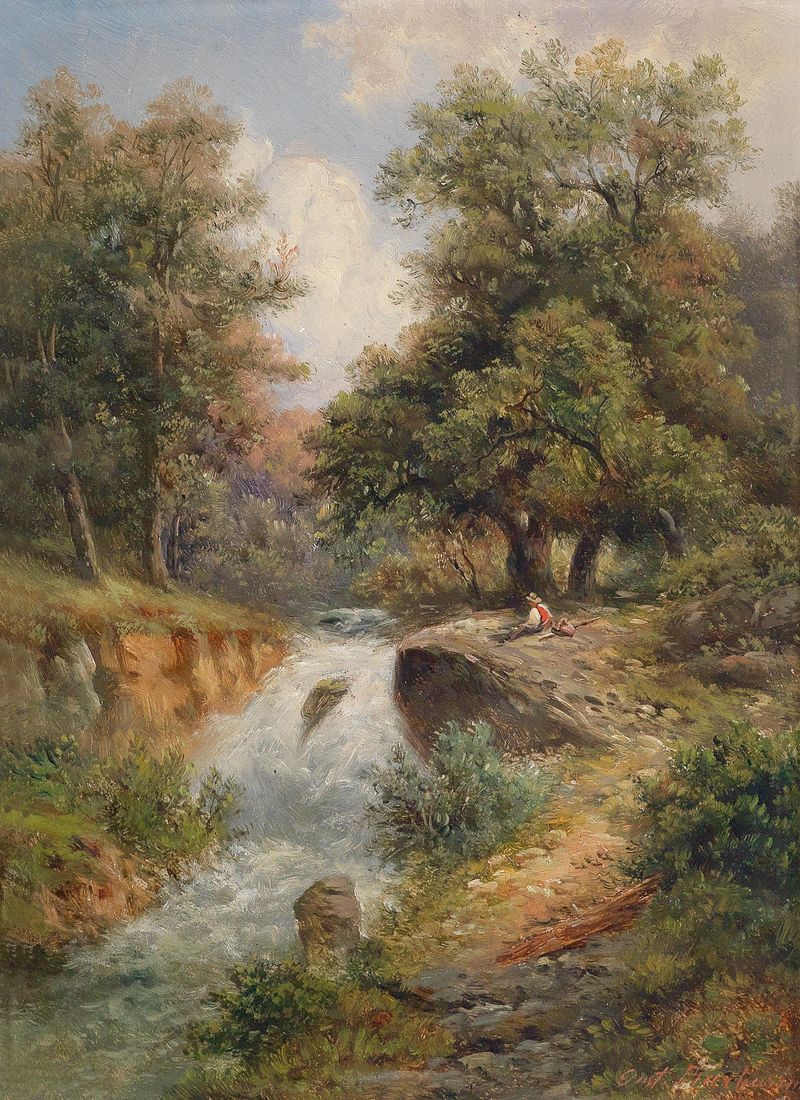
Wasserfall in Tirol in Windisch-Matrei
Gustav Barbarini
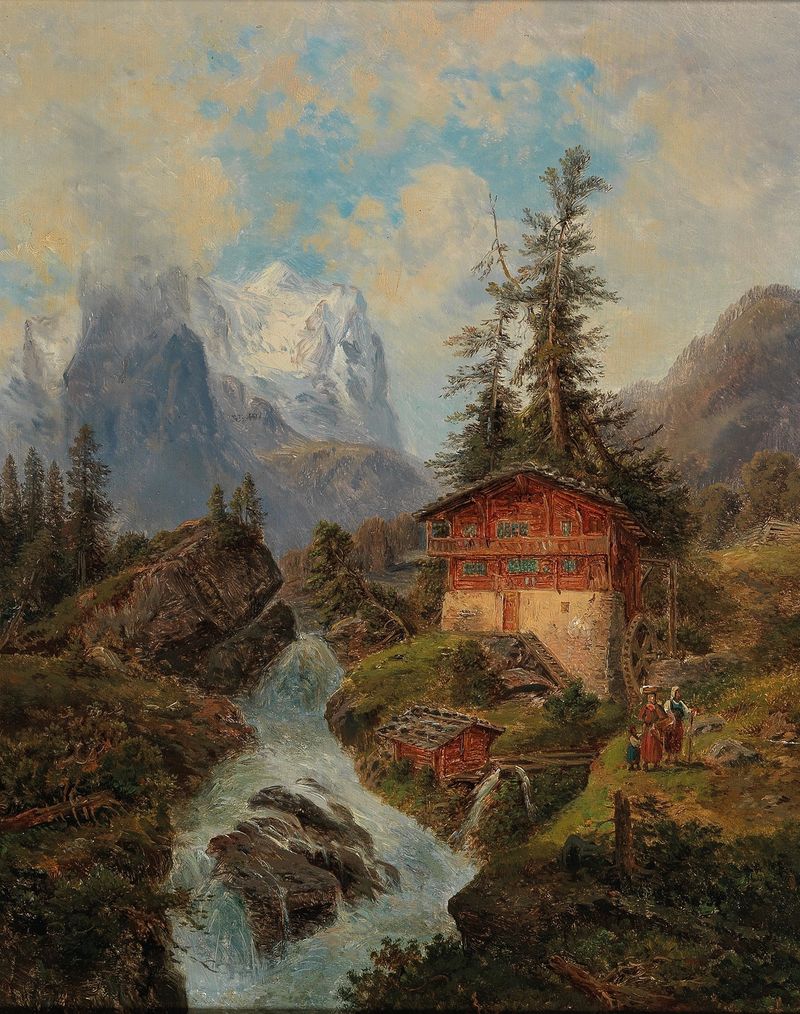
Das Wetterhorn in der Schweiz
Gustav Barbarini





