
Das Wetterhorn in der Schweiz — History & Facts
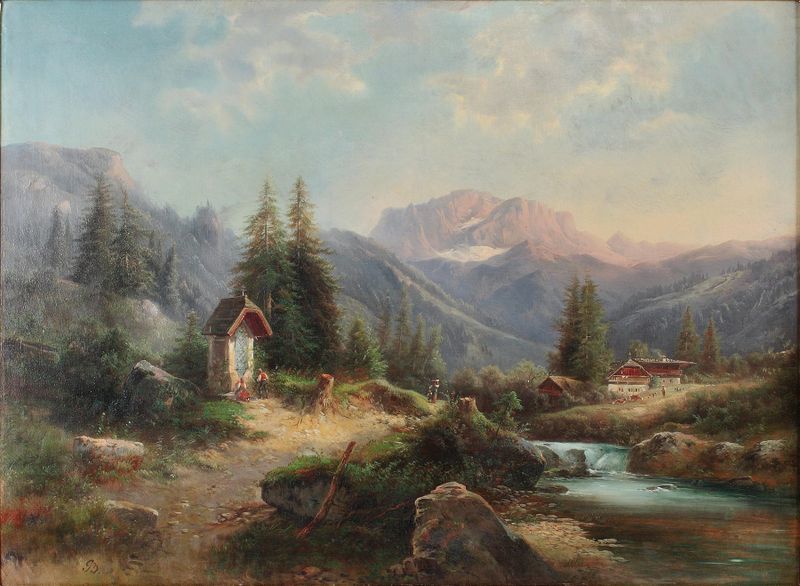
Did the painter know this moment would outlive them? The tumultuous forces of nature and the quiet strength of human spirit have a way of transcending time, calling us to reflect on our place within the vast world. Look to the center, where the majestic peak of the Wetterhorn rises dramatically against a backdrop of swirling clouds. The artist uses a vibrant palette of blues and whites, contrasting the cool serenity of the mountain with the energetic strokes that capture the tumult of the sky. Notice how the light dances off the snow-capped summit, creating a radiant halo that draws the eye, compelling us to gaze deeper into the wild beauty of the Swiss landscape. Yet beneath this idyllic surface lies a tension between the sublime and the unsettling.
The almost chaotic brushwork suggests the unrest of an era on the brink of revolution. Each stroke conveys a sense of urgency, depicting not only a beautiful scene but also the shifting dynamics of society, mirroring the emotional upheaval of a world on the edge of transformation. The mountain stands strong, a silent witness to the turmoil, symbolizing resilience amidst change. During the time Das Wetterhorn in der Schweiz was painted, Gustav Barbarini was immersed in the artistic upheaval of the late 19th century.
While specific dates remain unclear, the artist's work reflects the shifting tides of Romanticism toward Modernism. Europe was experiencing profound social changes and political unrest, and Barbarini’s capture of nature served as a poignant reminder of the timeless beauty that endures even amidst human chaos.
More Artworks by Gustav Barbarini
Browse all →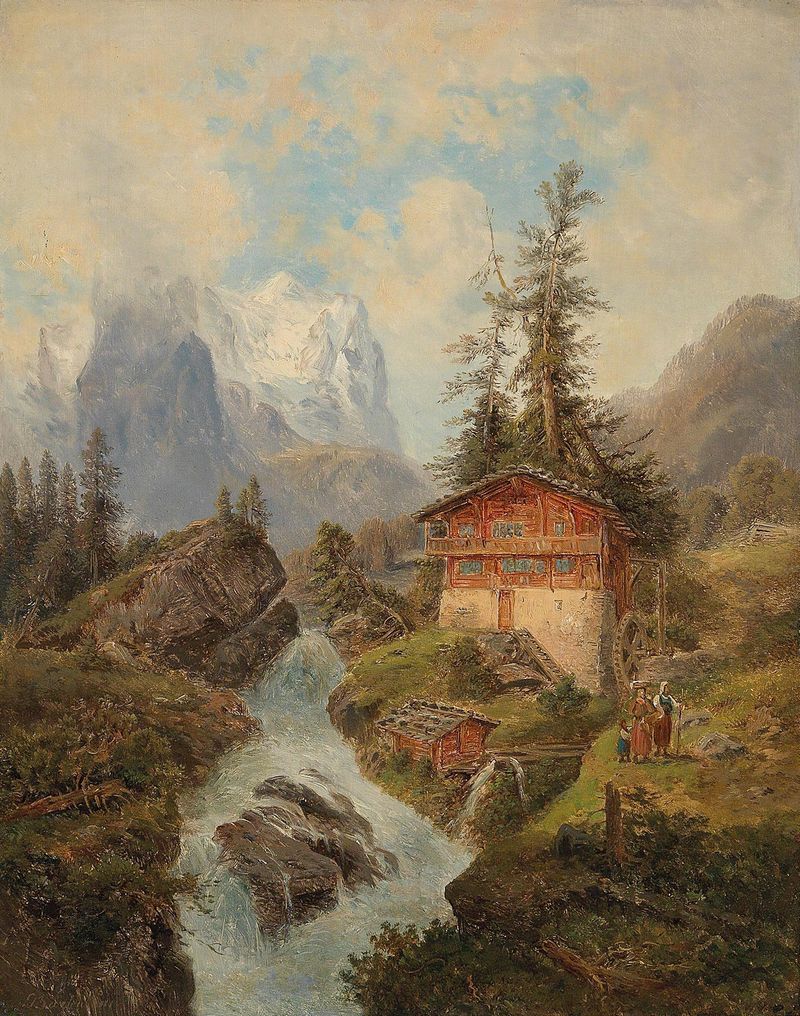
Das Wetterhorn
Gustav Barbarini
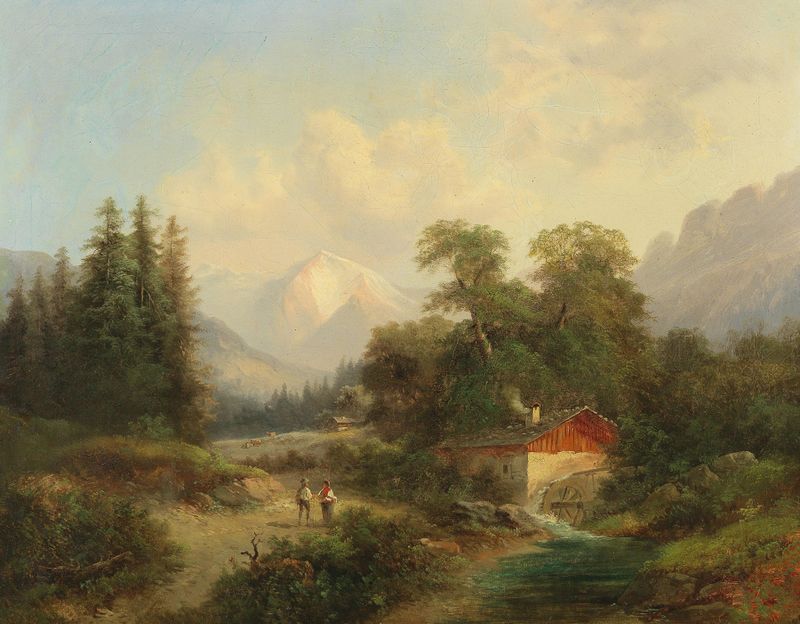
View of the Breite Riss, Puchberg in the Schneeberg Region
Gustav Barbarini
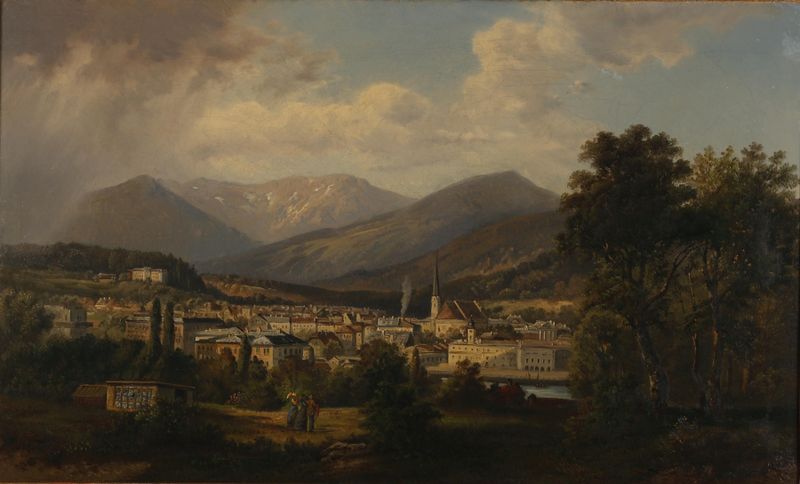
Blick auf Bad Ischl
Gustav Barbarini
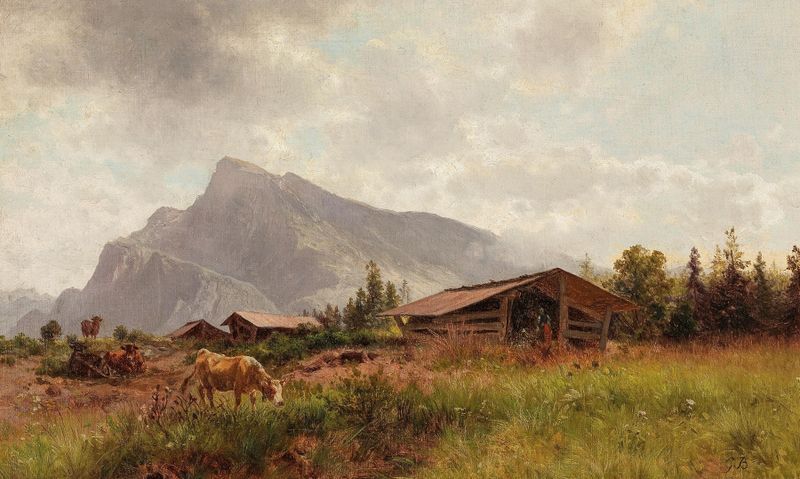
A View of Untersberg from Wals
Gustav Barbarini
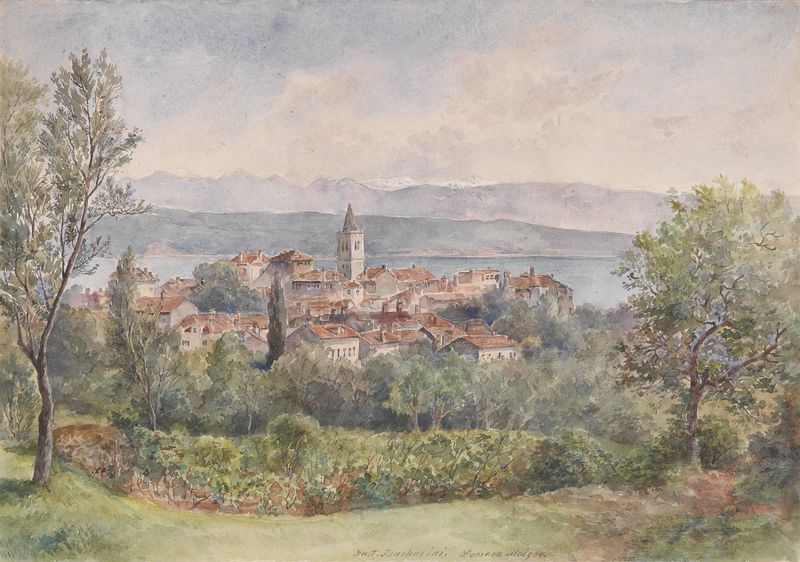
Blick auf Lovran
Gustav Barbarini
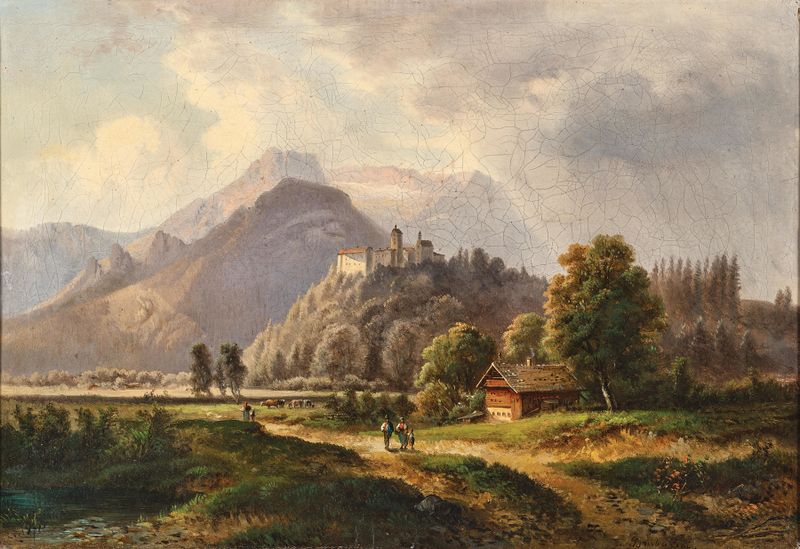
A View of the Glanegg Castle Ruins
Gustav Barbarini
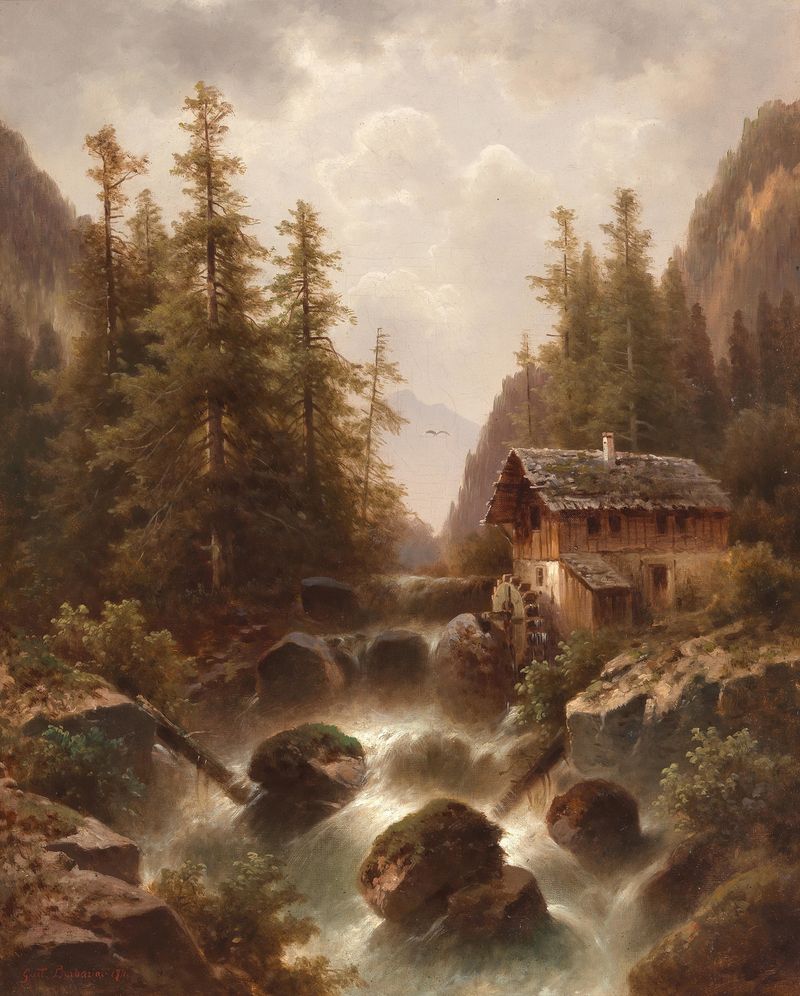
A Mill by a Mountain Torrent
Gustav Barbarini
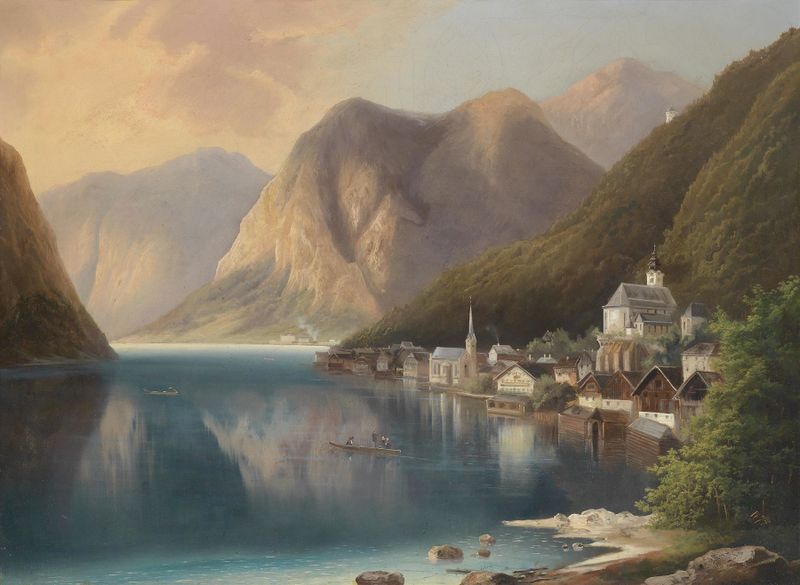
Blick auf Hallstatt
Gustav Barbarini
Bachlandschaft mit Figurenstaffage
Gustav Barbarini
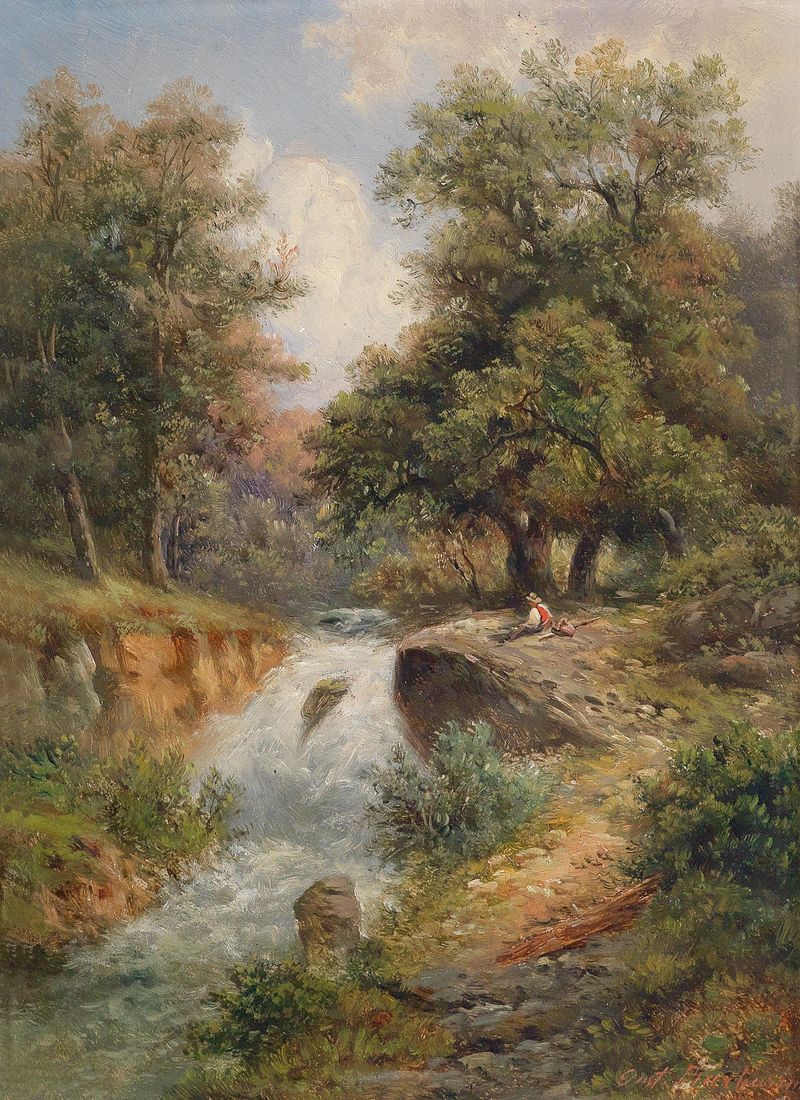
Wasserfall in Tirol in Windisch-Matrei
Gustav Barbarini





