
A View of Untersberg from Wals — History & Facts
In the tender light of dusk, nature whispers not only of its beauty but also of its transient essence. The creation of a landscape can evoke both solace and longing, reminding us of the delicate balance between joy and sorrow. Look to the left at the sweeping curves of the hills that cradle the majestic Untersberg. The artist employs a gentle palette of greens and blues, punctuated by the warm glow of the setting sun that spills over the peaks.
Notice how the brushstrokes dance across the canvas, capturing the movement of the wind through the trees, while shadows pull you into the depths of the valley. The composition draws your eye toward the distant mountain, inviting you to explore its majesty, yet hints at the isolation of its grandeur. Beneath the serene surface lies a subtle tension between the vibrant life of the foreground and the imposing, almost melancholic presence of the mountain. The contrast between light and shadow signifies not just the physical landscape but also the emotional landscape of the artist’s soul.
Here, beauty intertwines with the fleeting nature of existence, evoking a sense of longing that resonates with the viewer’s own experiences. During this period of his life, the artist created this piece while immersed in the artistic community of late 19th-century Europe, a time ripe with the influence of Impressionism and Romanticism. The artist's exploration of landscapes reflected a desire to capture not just the visual splendor but also the emotional undercurrents of nature. In this work, he sought to translate the profound beauty of the world around him, layered with the complexities of human emotion and existence.
More Artworks by Gustav Barbarini
Browse all →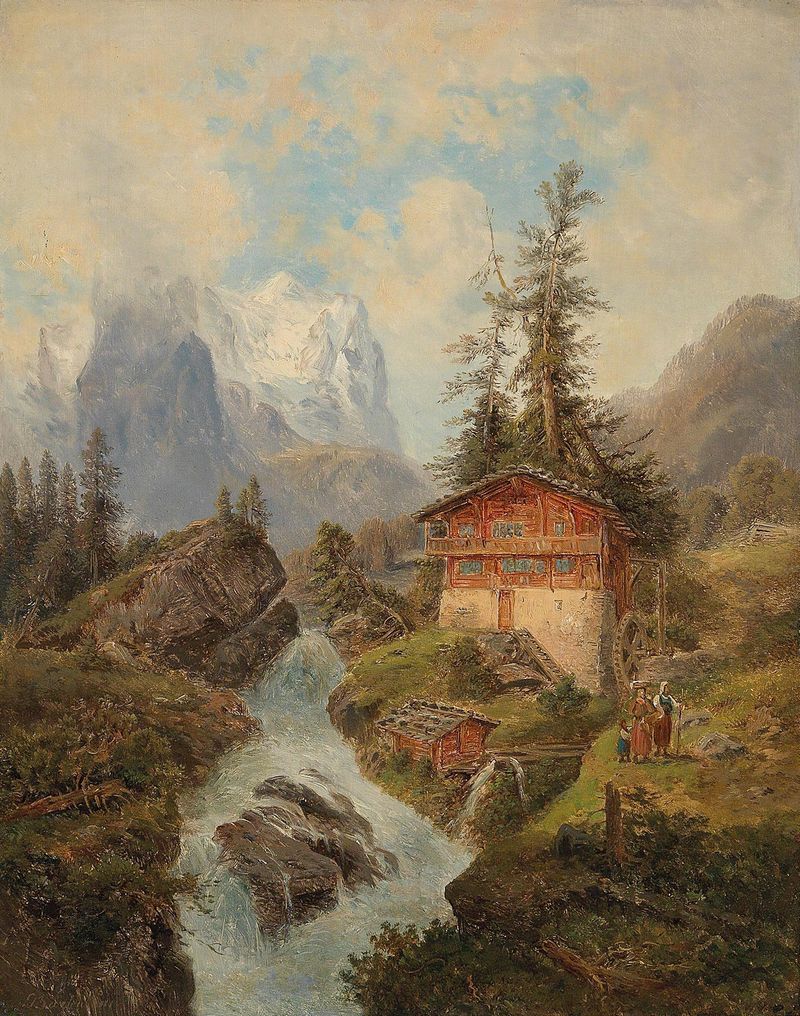
Das Wetterhorn
Gustav Barbarini
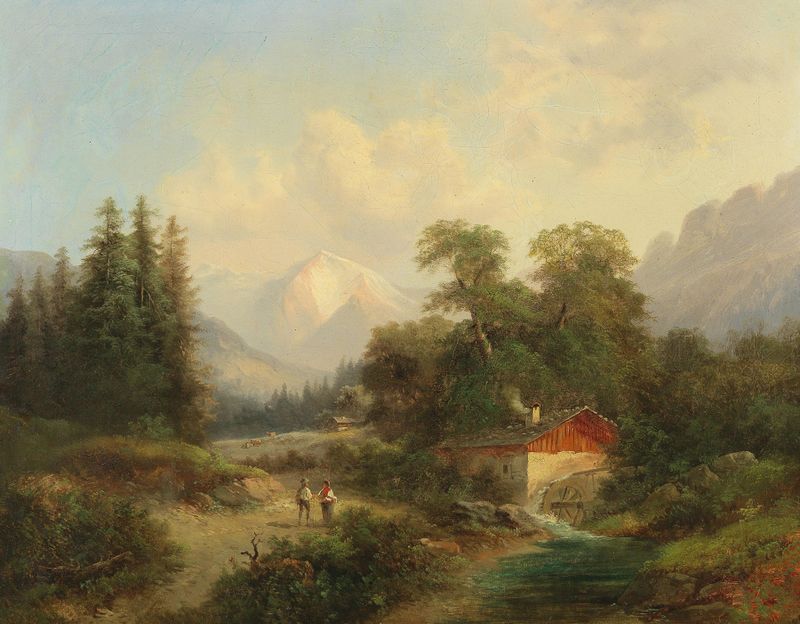
View of the Breite Riss, Puchberg in the Schneeberg Region
Gustav Barbarini
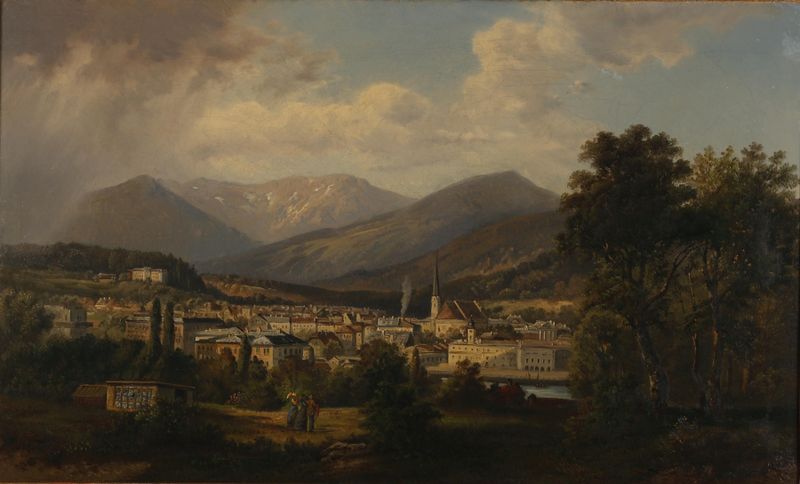
Blick auf Bad Ischl
Gustav Barbarini
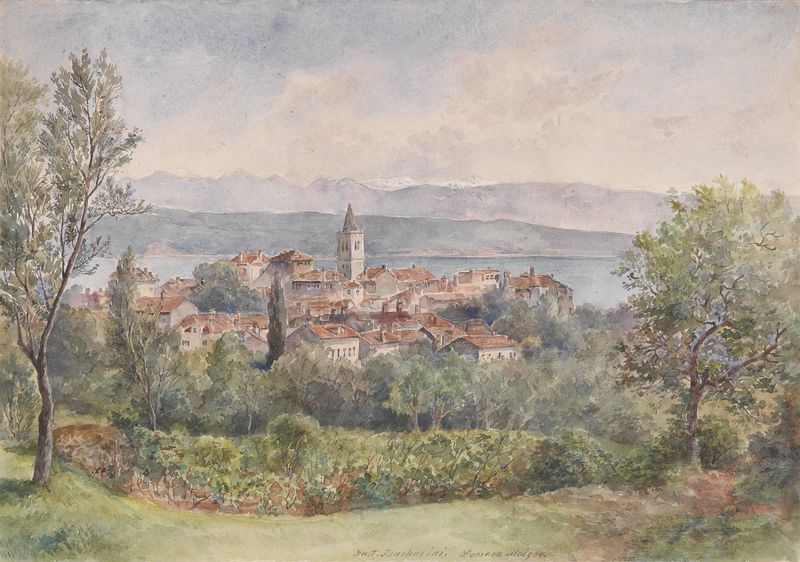
Blick auf Lovran
Gustav Barbarini
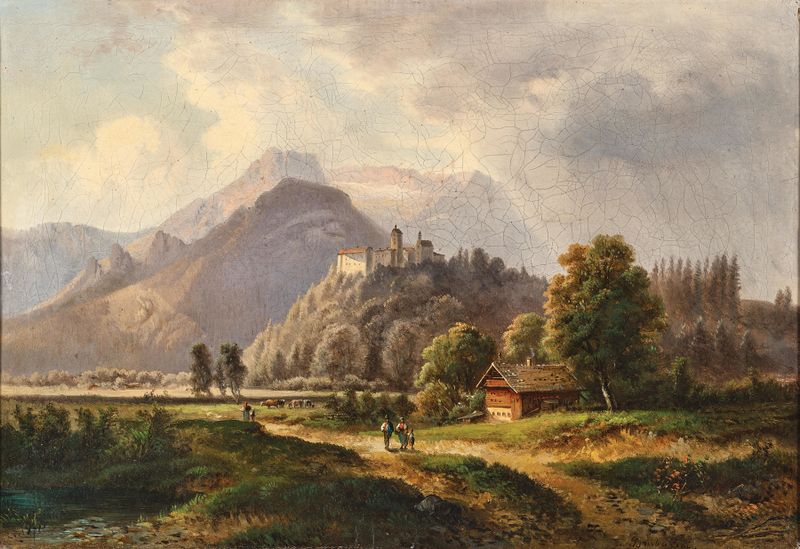
A View of the Glanegg Castle Ruins
Gustav Barbarini
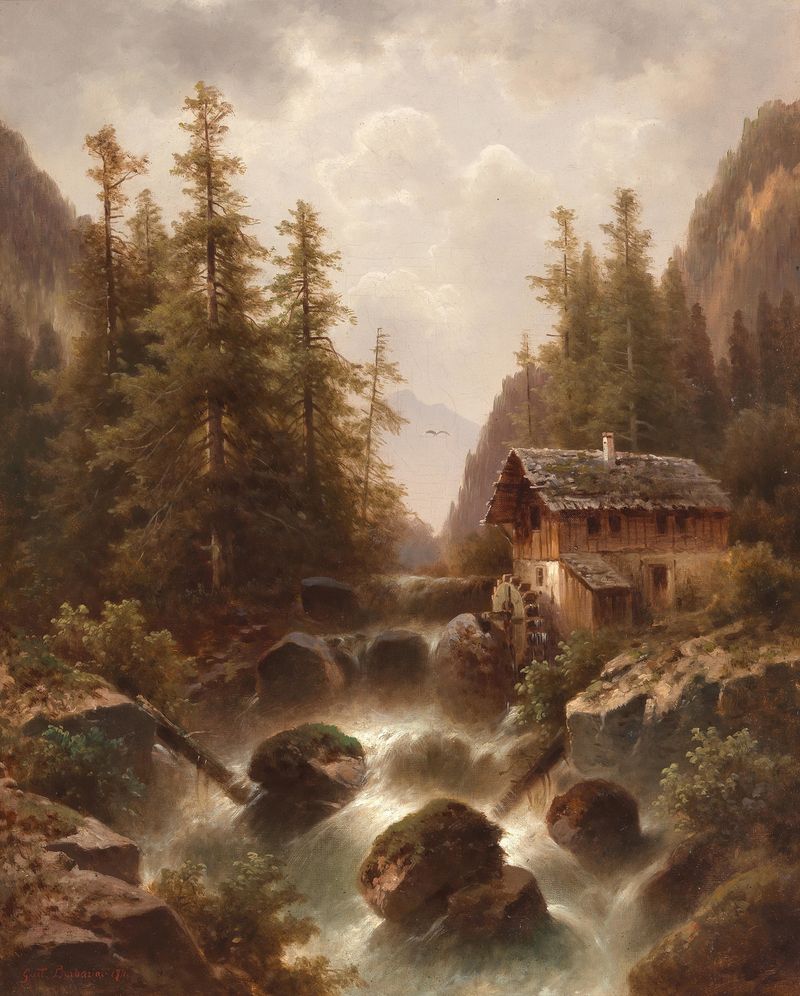
A Mill by a Mountain Torrent
Gustav Barbarini
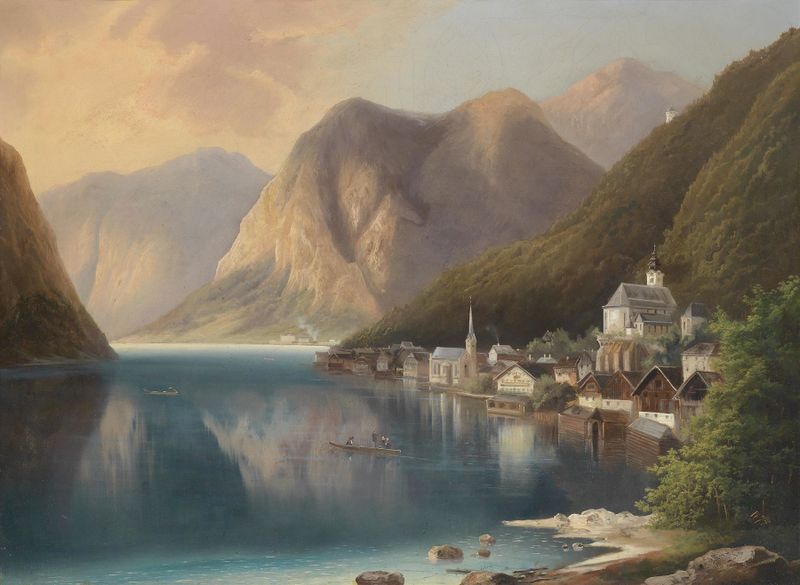
Blick auf Hallstatt
Gustav Barbarini
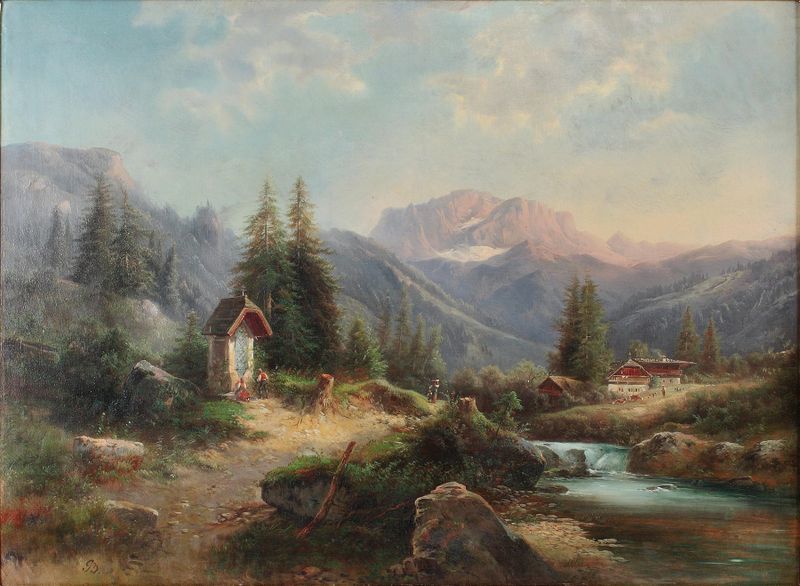
Bachlandschaft mit Figurenstaffage
Gustav Barbarini
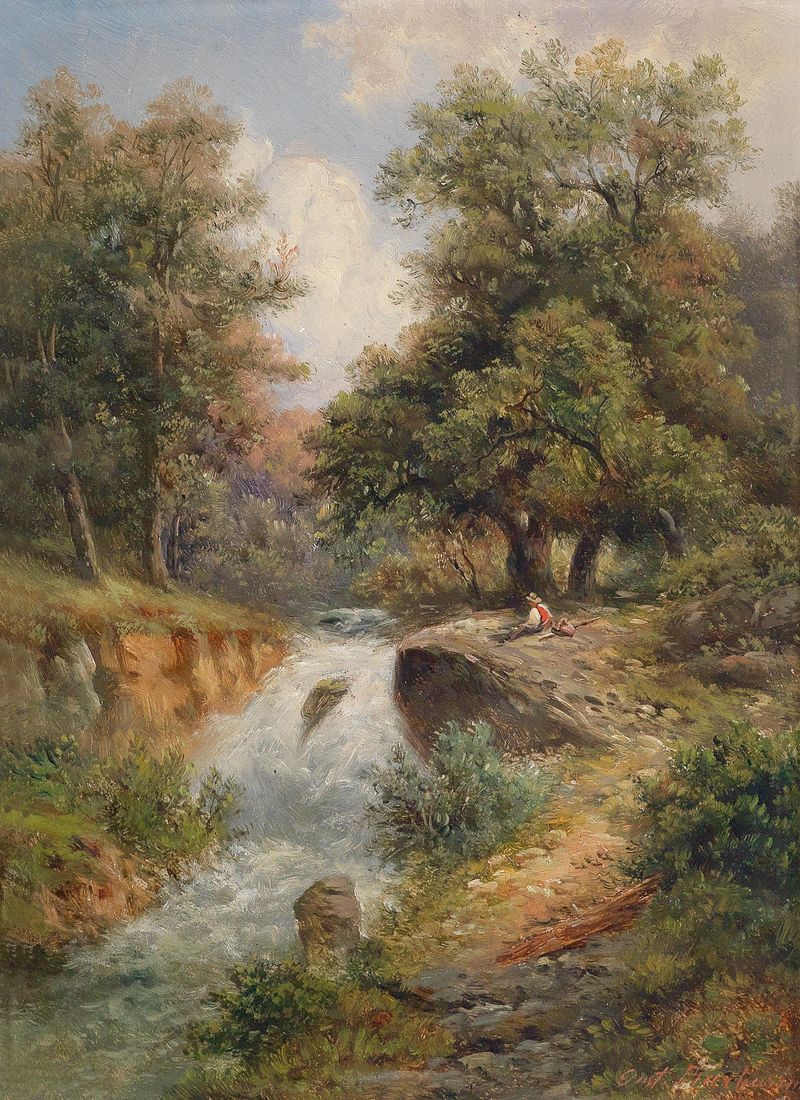
Wasserfall in Tirol in Windisch-Matrei
Gustav Barbarini
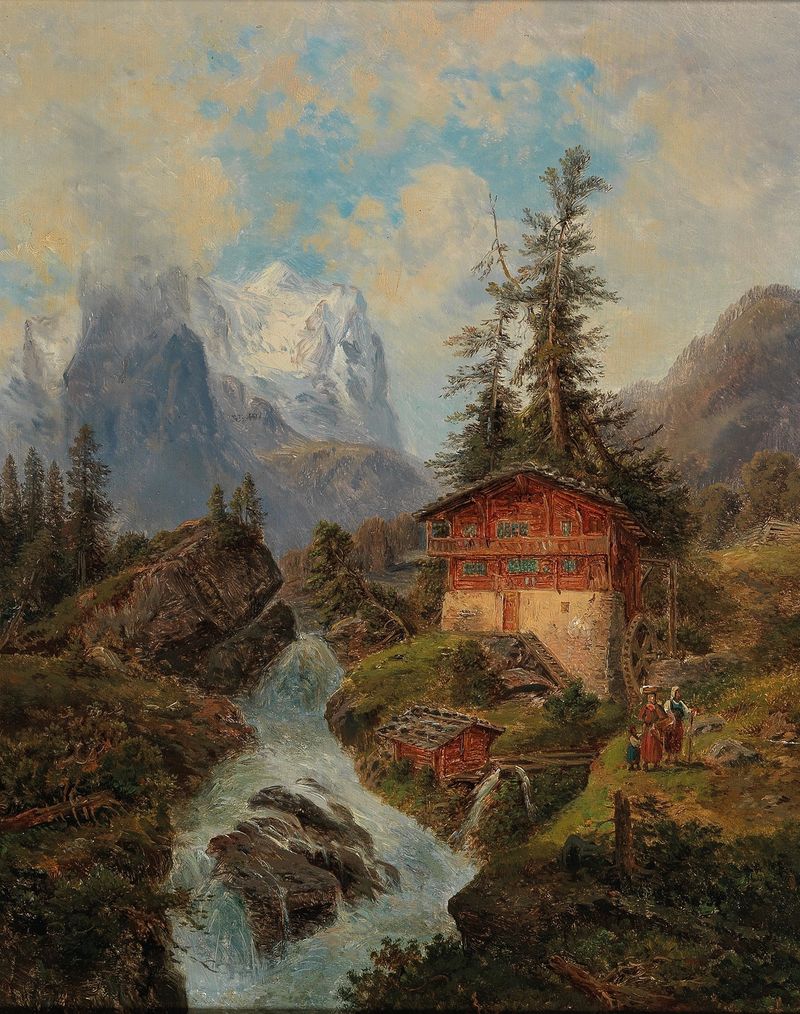
Das Wetterhorn in der Schweiz
Gustav Barbarini





