
Blick vom Oberen Belvedere auf Wien — History & Facts
When did color learn to lie? In the world of art, beauty often wears a mask, revealing truths obscured by layers of pigment and perception. Look to the left at the elegant arch of the Belvedere, bathed in soft golden hues that whisper of a serene Viennese afternoon. The delicate strokes create a shimmering effect on the surface of the tranquil waters, reflecting both the architecture and the sky’s muted palette. Notice the way the vibrant greens of the gardens contrast with the cool blues of the distant cityscape, drawing your eye towards the horizon where the hills embrace the urban sprawl. Beneath the surface of this picturesque scene lies a tension between the idyllic and the artificial.
The almost theatrical arrangement of colors invites a questioning of reality — do these vibrant landscapes serve merely as a façade? Each brushstroke carries the weight of nostalgia, evoking memories of a time when elegance was the currency of life, yet hints at the tumult of the era as Europe edged closer to turmoil. The lushness of the greenery feels almost too perfect, rendering the viewer both enchanted and uneasy. In 1929, Maximilian Suppantschitsch painted this view from the Upper Belvedere in Vienna during a period marked by artistic experimentation and sociopolitical instability. The post-World War I landscape was one of reimagining and reinvention, and this work encapsulates the duality of beauty and facade in an era ripe for change.
It mirrored the tensions within the artist's life: a desire for harmony amidst the chaos of a rapidly evolving world.
More Artworks by Maximilian Suppantschitsch
Browse all →
Wien vom Bisamberg
Maximilian Suppantschitsch
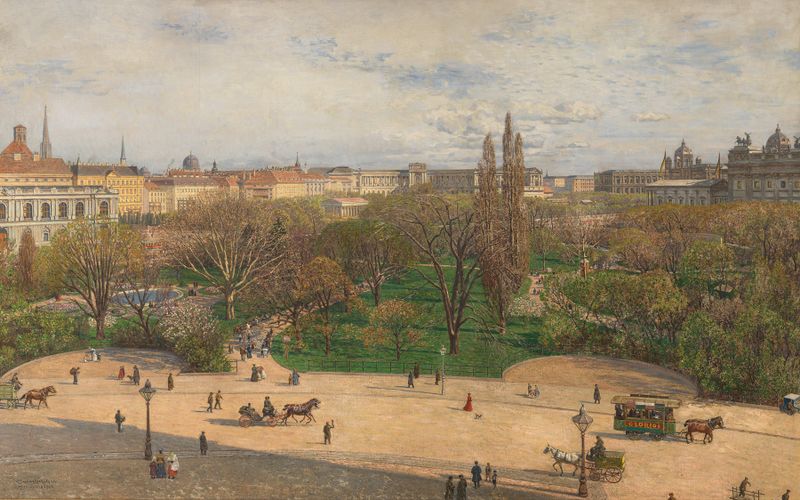
Blick vom Rathaus auf den neuen Trakt der Hofburg und dessen Umgebung
Maximilian Suppantschitsch

Franz-Josephs-Kai mit Donaukanal
Maximilian Suppantschitsch
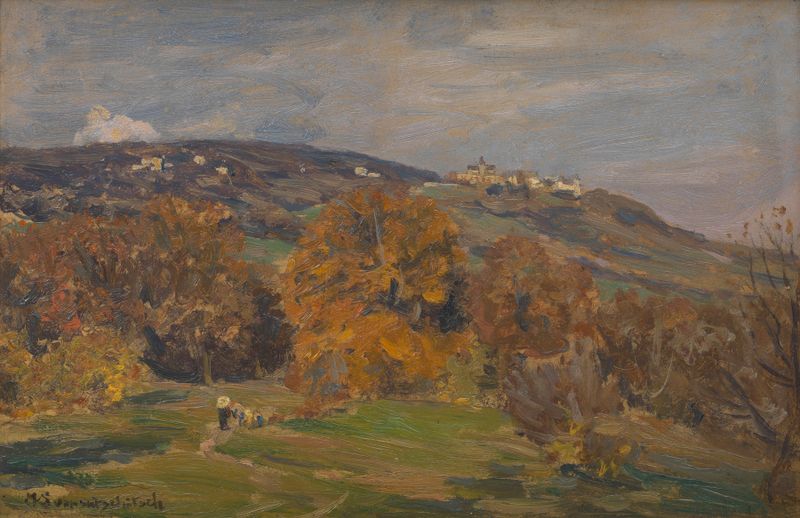
Der Kahlenberg vom Kobenzl aus
Maximilian Suppantschitsch
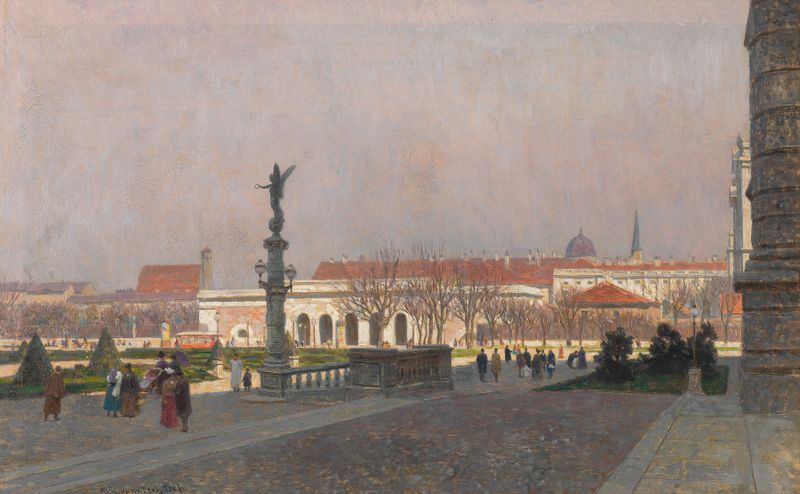
Blick auf die Hofburg vom Kunsthistorischen Museum
Maximilian Suppantschitsch
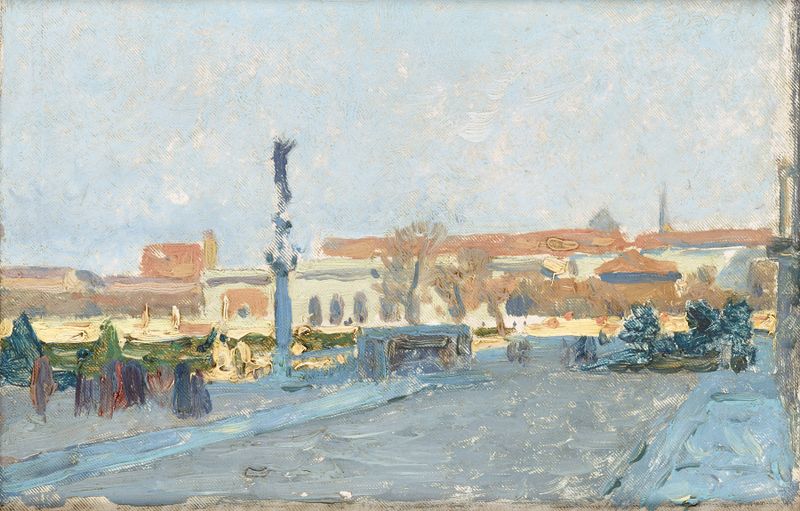
Blick auf Wien vom äußeren Burgtor
Maximilian Suppantschitsch

Blick auf den Ring gegen das Rathaus und Parlament
Maximilian Suppantschitsch
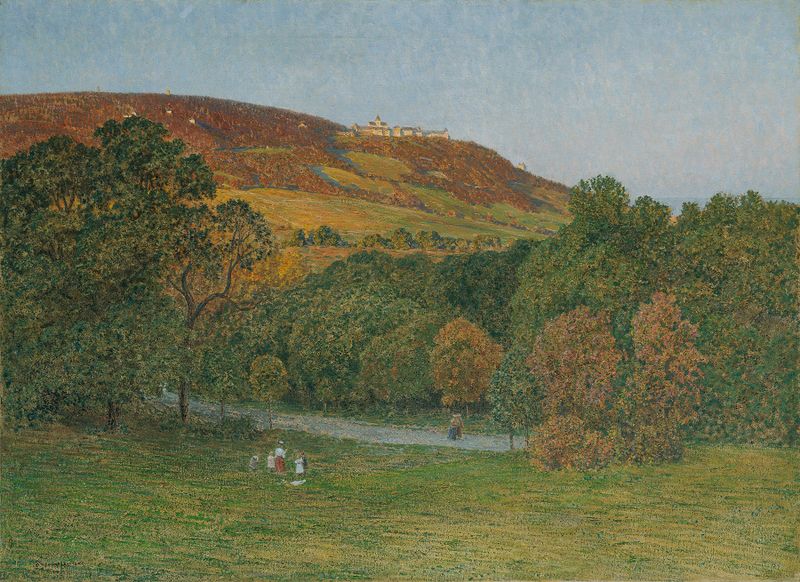
Blick vom Cobenzl auf den Kahlenberg bei Wien
Maximilian Suppantschitsch
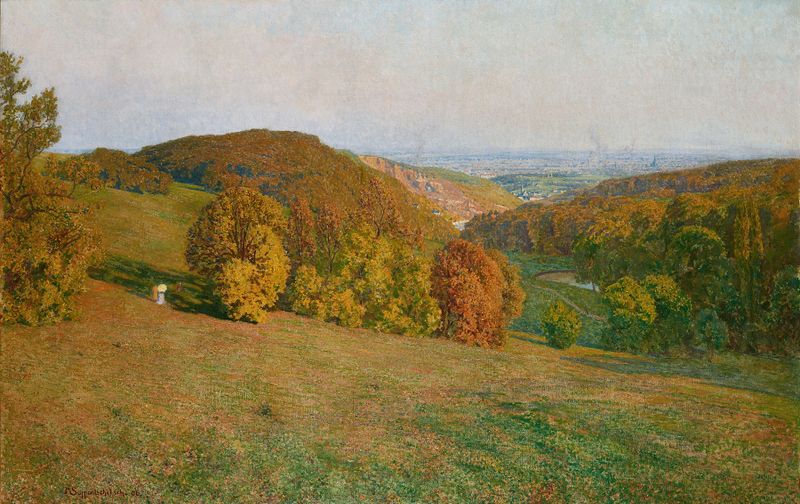
Wien vom Kobenzl aus
Maximilian Suppantschitsch
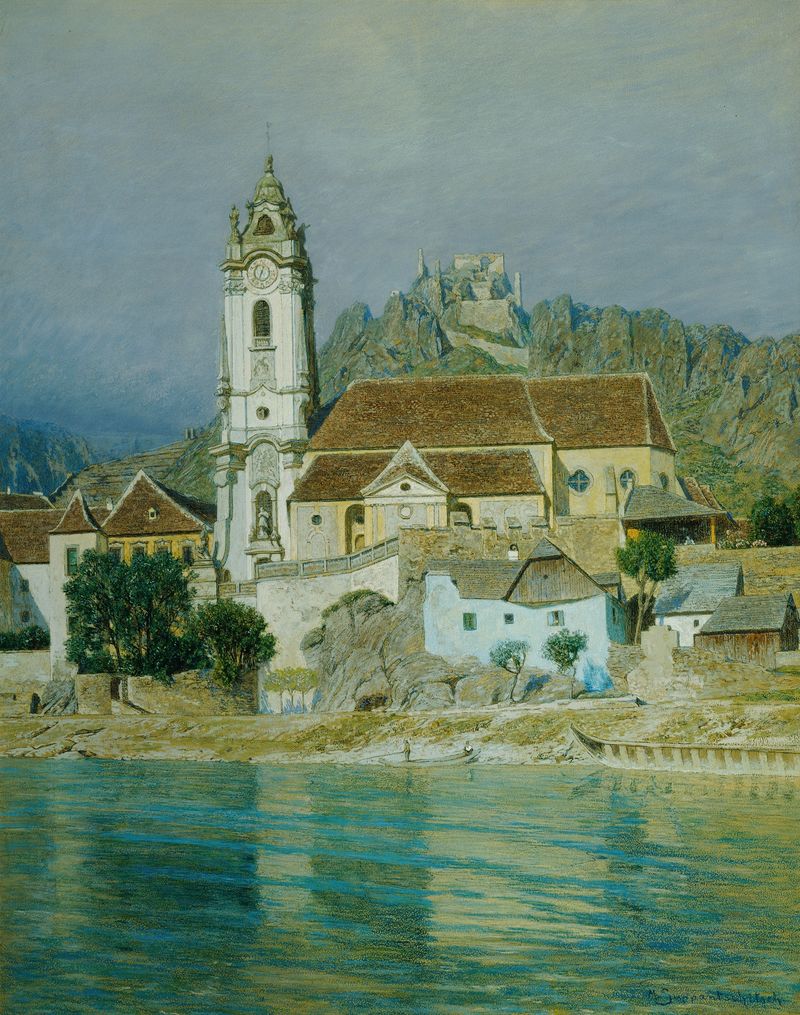
Die Stiftskirche in Dürnstein
Maximilian Suppantschitsch





