
Franz-Josephs-Kai mit Donaukanal — History & Facts
In a world defined by fleeting moments, how do we capture the essence of beauty that lingers in our hearts? Look to the lower left at the shimmering reflections on the water, a kaleidoscope of colors that evoke the vibrancy of life along the canal. The composition draws your eye towards the tranquil flow of the Donaukanal, framed by lush greenery and elegant architecture that hints at the grandeur of a bygone era. Notice the delicate interplay of light and shadow, where golden sunlight dances across the surface, casting soft ripples that animate the scene, breathing life into stillness. As you explore the piece further, consider the contrast between the serene water and the bustling urban environment that envelops it.
The juxtaposition of nature and architecture speaks to the harmony between human creation and the beauty of the natural world. Each detail, from the meticulously rendered trees to the distant silhouettes of buildings, reveals a deep appreciation for the coexistence of these elements, inviting reflection on the passage of time and the ephemeral nature of beauty itself. Maximilian Suppantschitsch painted this work in 1900 while living in Vienna, a city bustling with artistic innovation and cultural evolution. This period was marked by the Secessionist movement, which celebrated the beauty of the modern world through a fresh lens.
Amidst this vibrant atmosphere, the artist sought to capture the essence of his surroundings, emphasizing both the charm of the urban landscape and its dialogue with nature, making the painting a silent yet resonant piece of art history.
More Artworks by Maximilian Suppantschitsch
Browse all →
Wien vom Bisamberg
Maximilian Suppantschitsch
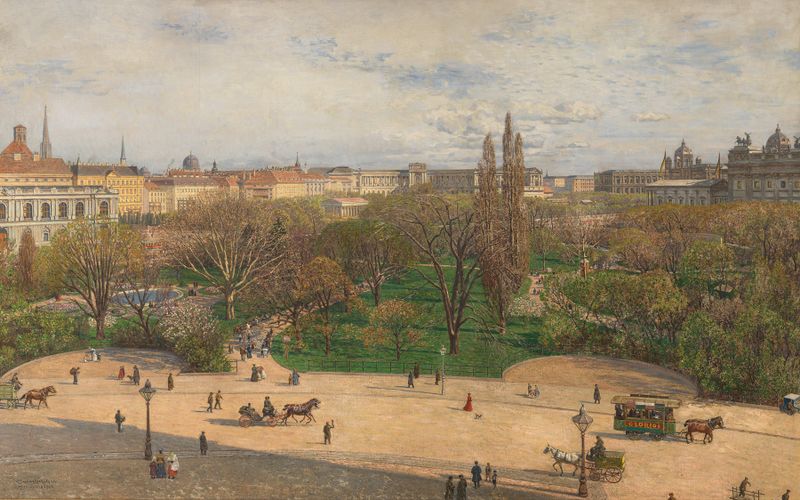
Blick vom Rathaus auf den neuen Trakt der Hofburg und dessen Umgebung
Maximilian Suppantschitsch
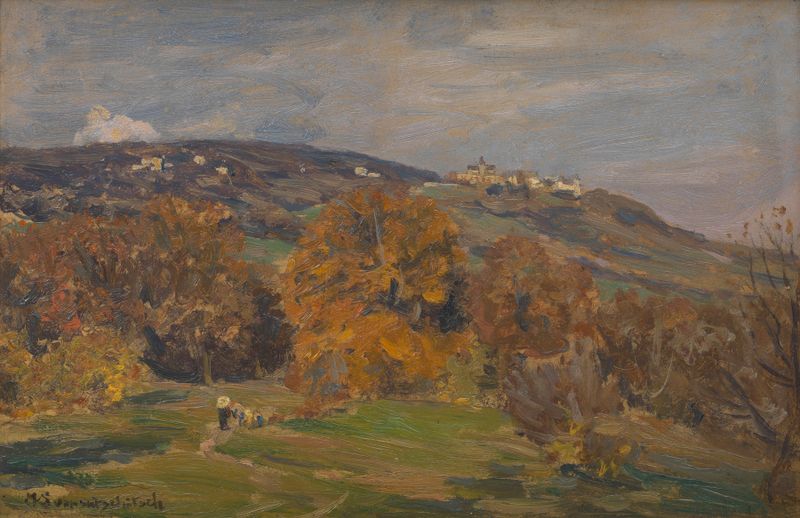
Der Kahlenberg vom Kobenzl aus
Maximilian Suppantschitsch
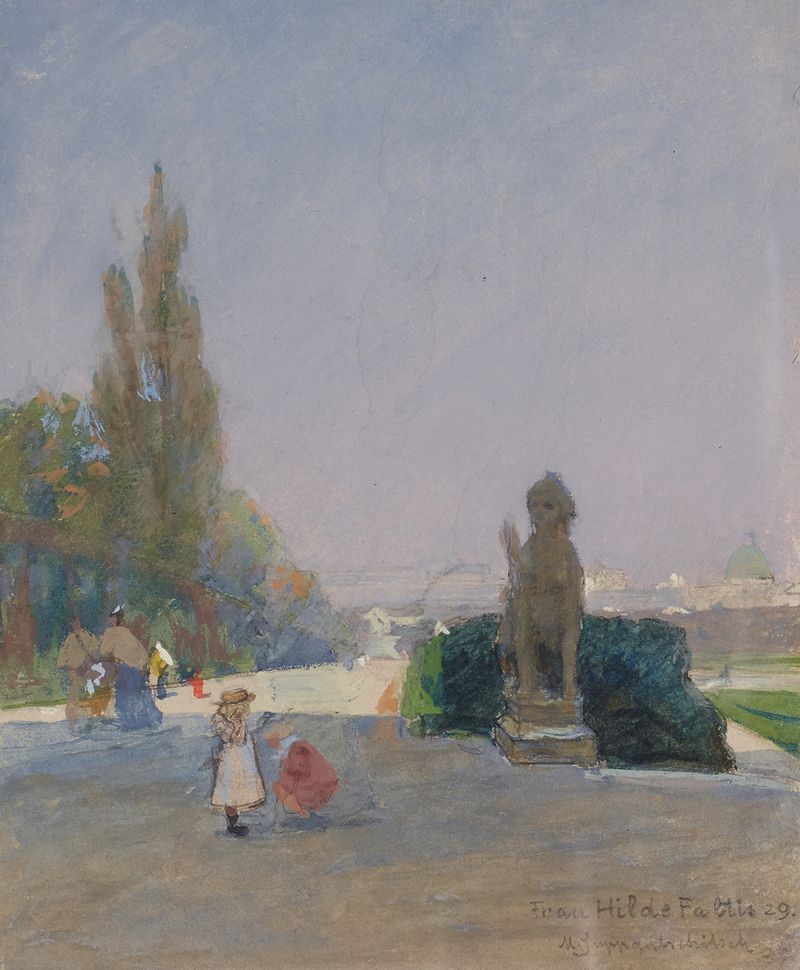
Blick vom Oberen Belvedere auf Wien
Maximilian Suppantschitsch
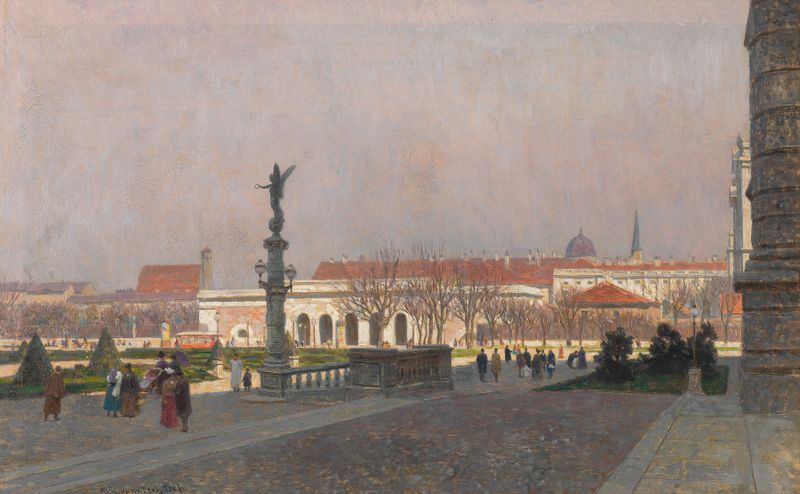
Blick auf die Hofburg vom Kunsthistorischen Museum
Maximilian Suppantschitsch
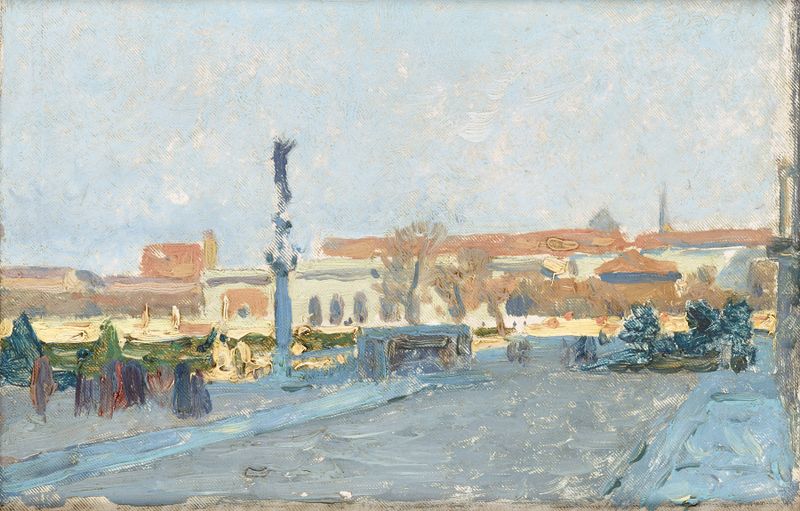
Blick auf Wien vom äußeren Burgtor
Maximilian Suppantschitsch

Blick auf den Ring gegen das Rathaus und Parlament
Maximilian Suppantschitsch
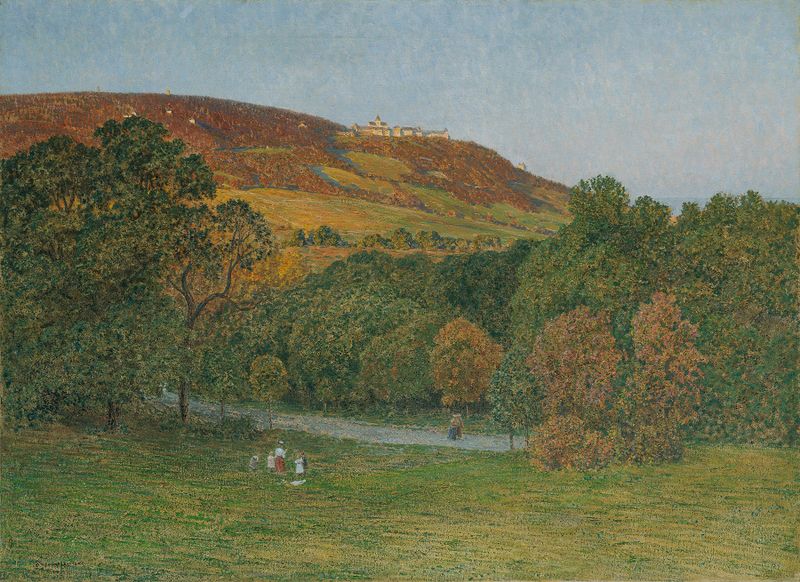
Blick vom Cobenzl auf den Kahlenberg bei Wien
Maximilian Suppantschitsch
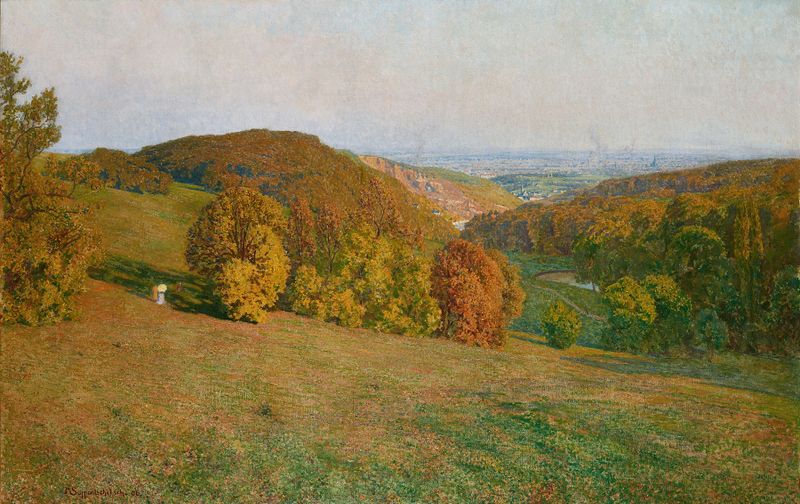
Wien vom Kobenzl aus
Maximilian Suppantschitsch
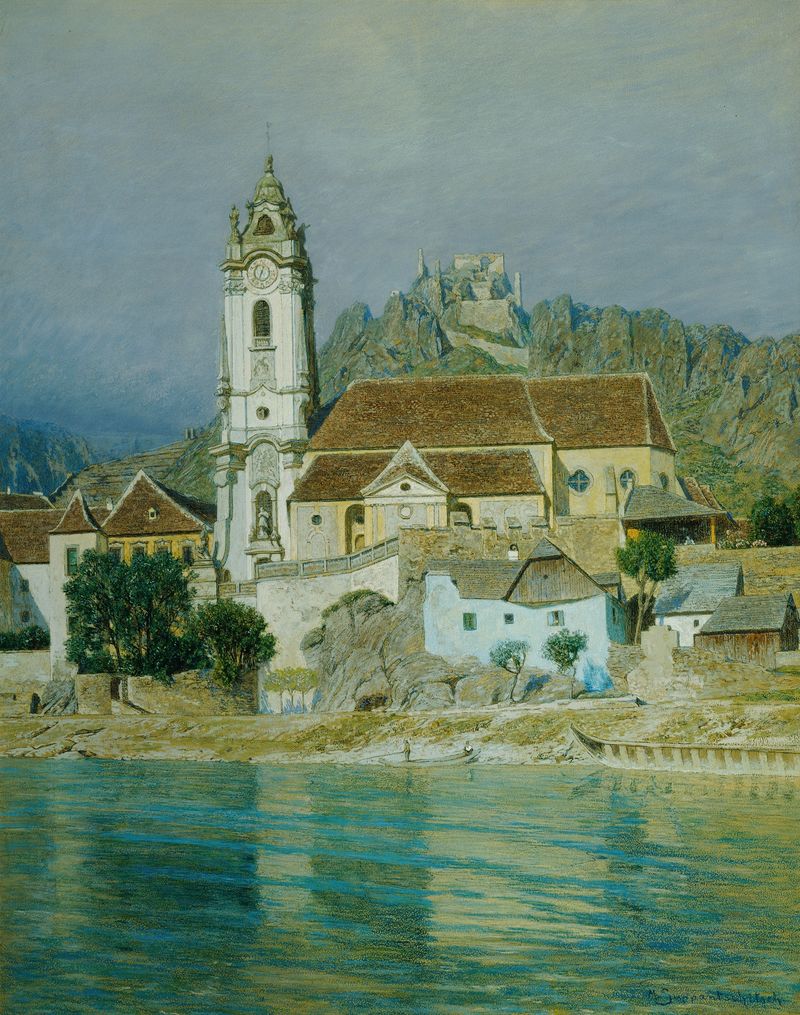
Die Stiftskirche in Dürnstein
Maximilian Suppantschitsch





