
Blokhuis bij Tolosa — History & Facts
In Blokhuis bij Tolosa, the interplay of shadow and light reveals a deeper narrative lurking beneath the veneer of the picturesque landscape. What appears serene at first glance invites the viewer to look closer, peeling back layers of meaning embedded in its composition. Focus on the textured strokes that define the foreground — the craggy outlines of the building jutting defiantly against the soft hues of the sky. Notice how the light spills across the canvas, illuminating certain elements while casting others into darkness.
This contrast heightens the tension, inviting contemplation on what remains unseen, what lies hidden in the shadows. The earth tones and golds evoke warmth, yet the heavy darkness lurking at the edges creates a dissonance that lingers like a whispered secret. Delve into the dichotomy present in the work; the peaceful rural scene is disrupted by the palpable weight of the shadows. The building stands as a monument to solitude, perhaps even abandonment, suggesting stories of lives once lived and dreams now obscured.
The golden light bathes the landscape in an alluring sheen, yet it serves as a mask, concealing the deeper emotional currents that flow beneath the surface. Otto Howen created Blokhuis bij Tolosa during a time of personal exploration and experimentation in the realm of landscape painting. Working in the early 20th century, he was influenced by broader artistic movements that sought to capture the essence of a moment through vibrant color and light. The world was shifting, and artists were seeking new ways to express the complexities of human experience, an endeavor reflected in this profound work.
More Artworks by Otto Howen
Browse all →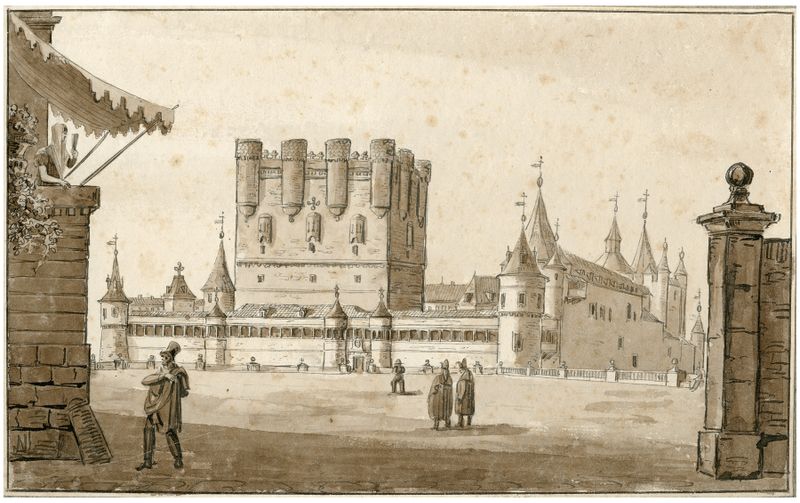
Het Alcazar te Segovia
Otto Howen
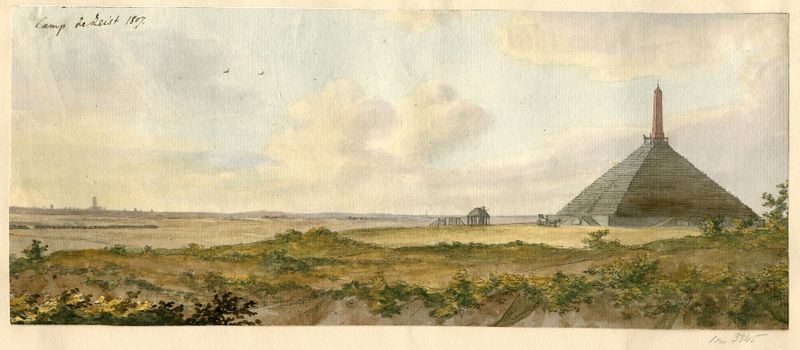
De piramide van Austerlitz bij Zeist
Otto Howen
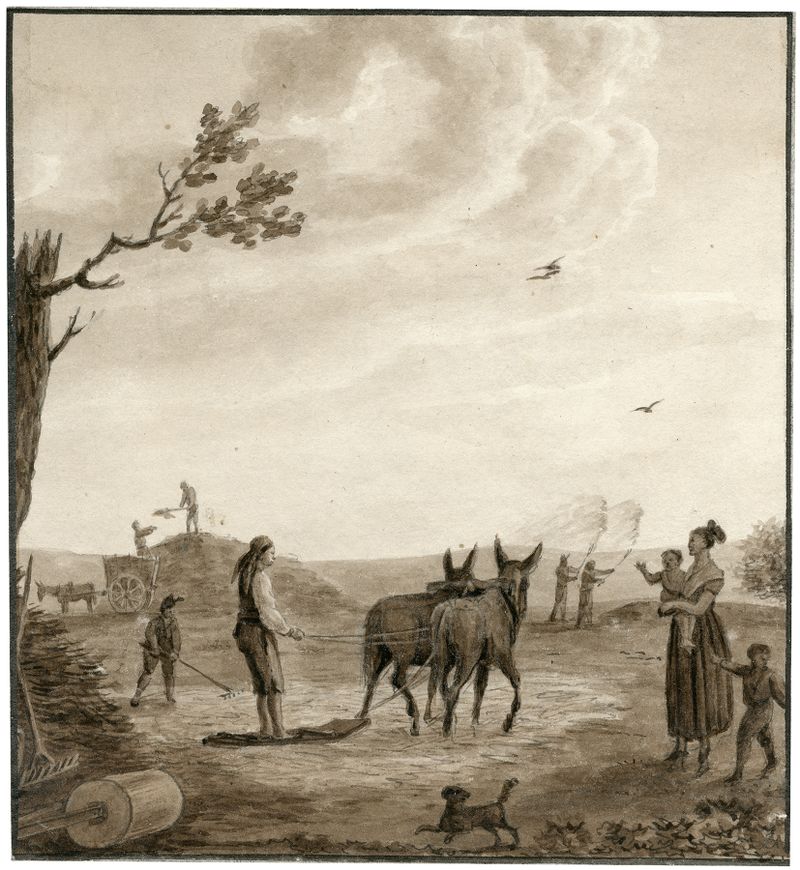
Het dorsen van het graan
Otto Howen
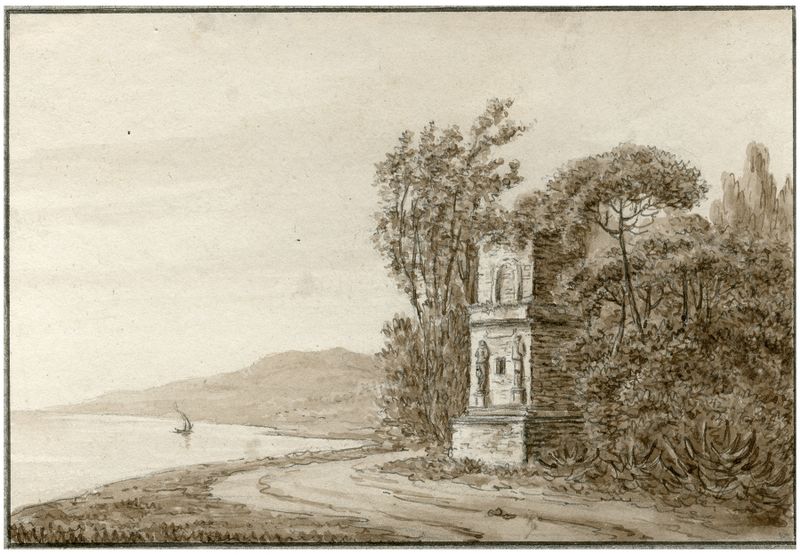
Een antiek monument in de omgeving van Taragone
Otto Howen
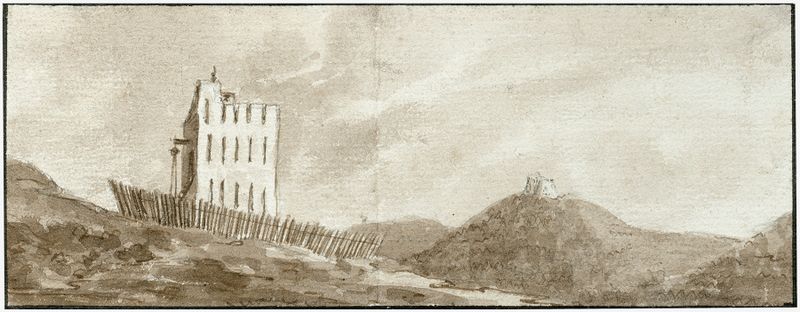
Gezicht in de omgeving van Gerona
Otto Howen
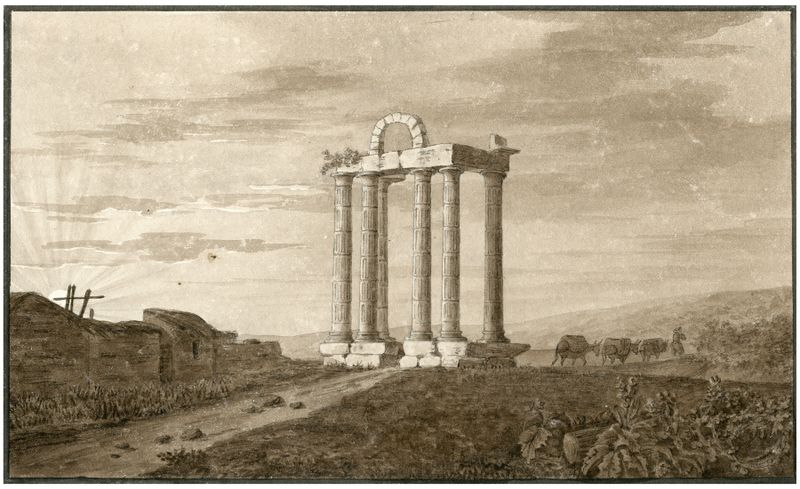
Antieke Ruïnes bij Talavera in Castillie
Otto Howen
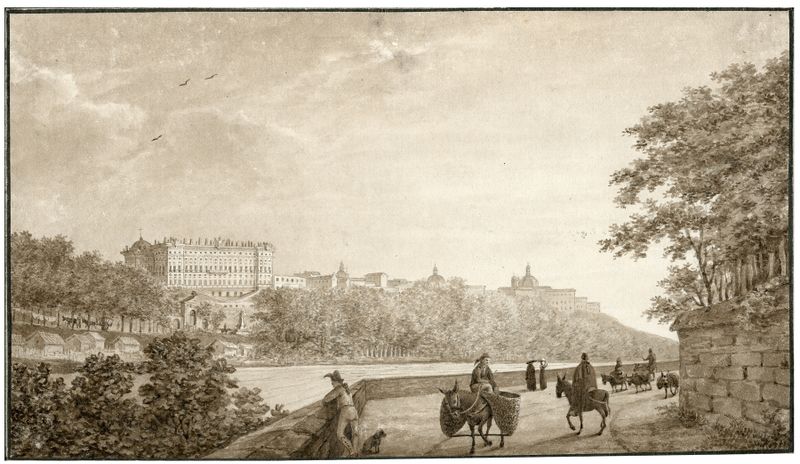
Het Koninklijke Paleis te Madrid
Otto Howen
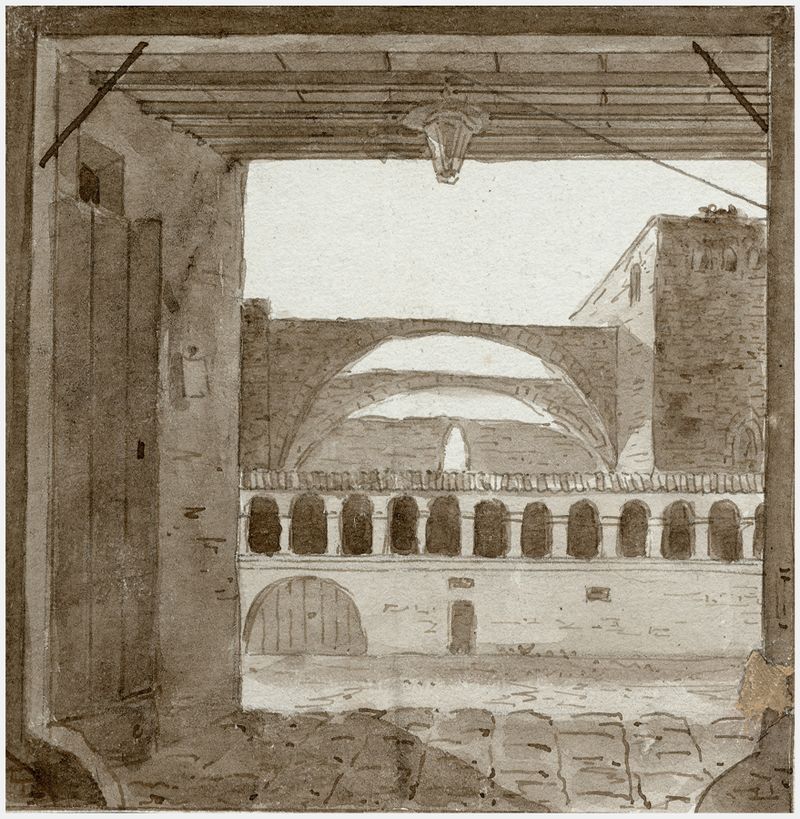
Ruïne van een klooster te Barcelona
Otto Howen
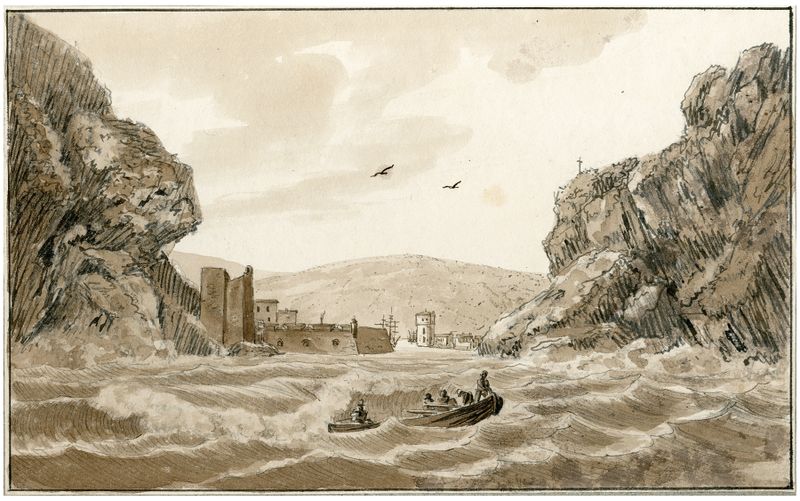
Een havenplaats in Spanje, Port de Passage
Otto Howen
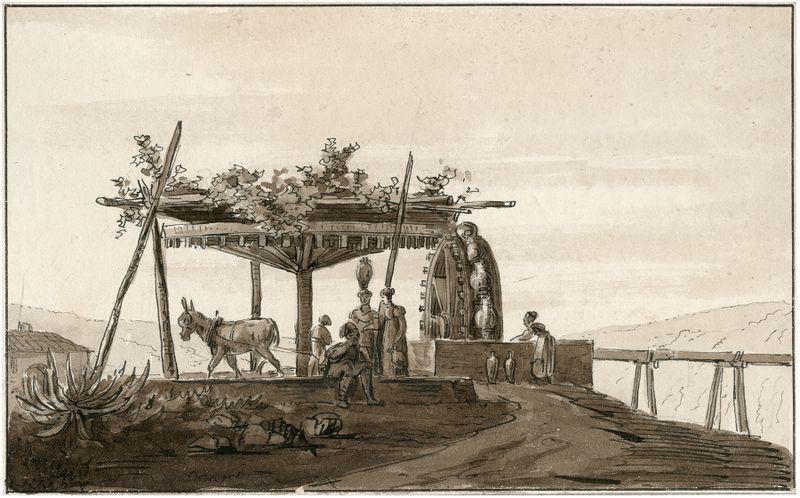
Een waterput met raderwerk en trekezel
Otto Howen





