Blossoms by a River — History & Facts
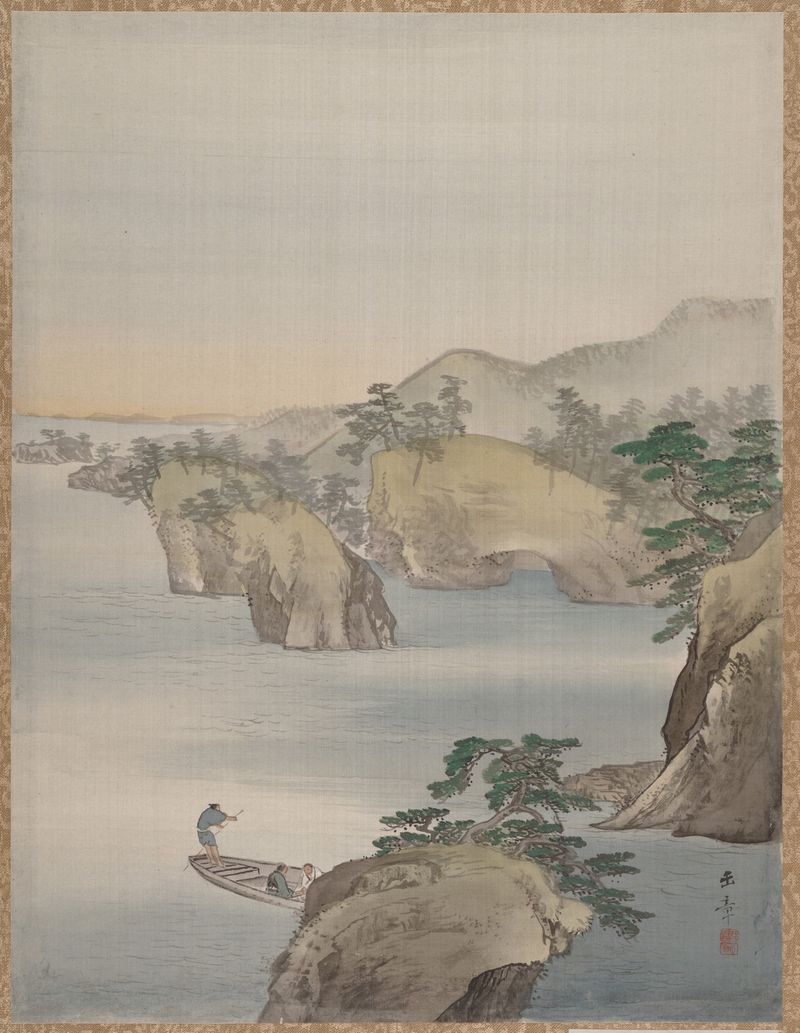
In a world where every hue unearths a whisper of emotion, the void often speaks the loudest. Focus on the delicate cherry blossoms that cascade down from the branches, their soft petals a tender pink against the cool backdrop of water. Notice how the artist masterfully paints the river, its surface reflecting not just the blossoms above but also the gentle ripples created by an unseen breeze. The balance of vibrant colors against the tranquil blues and greens invites the viewer to pause, to breathe in the moment, and to absorb the serenity captured within this scene. Yet, amid the beauty lies a profound sense of emptiness, as if the blossoms are a fleeting reminder of impermanence.
The juxtaposition of the vibrant life above the river and its still, silent depth below creates a poignant tension. Look closer at the reflections; they seem to fade, suggesting that while beauty can be vivid, it is ephemeral and ultimately transient. This duality evokes a longing, an acknowledgment of what is lost even as it lingers in our consciousness. Kawabata Gyokushō created Blossoms by a River between 1887 and 1892, during a period of artistic experimentation in Japan.
As the Meiji Restoration transformed society, artists sought new ways to express traditional themes, blending Western techniques with Japanese aesthetics. This work embodies that evolution, illustrating not only physical beauty but also the nuanced emotions that arise from the interplay of nature and silence.