Landscape — History & Facts
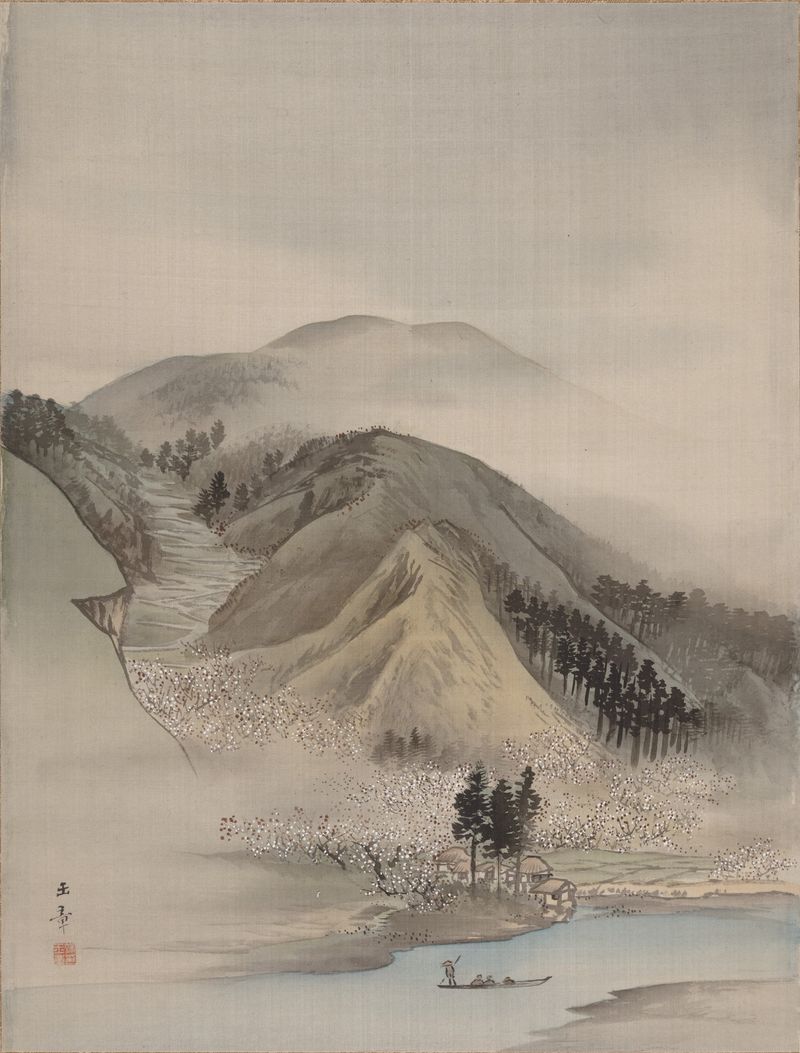
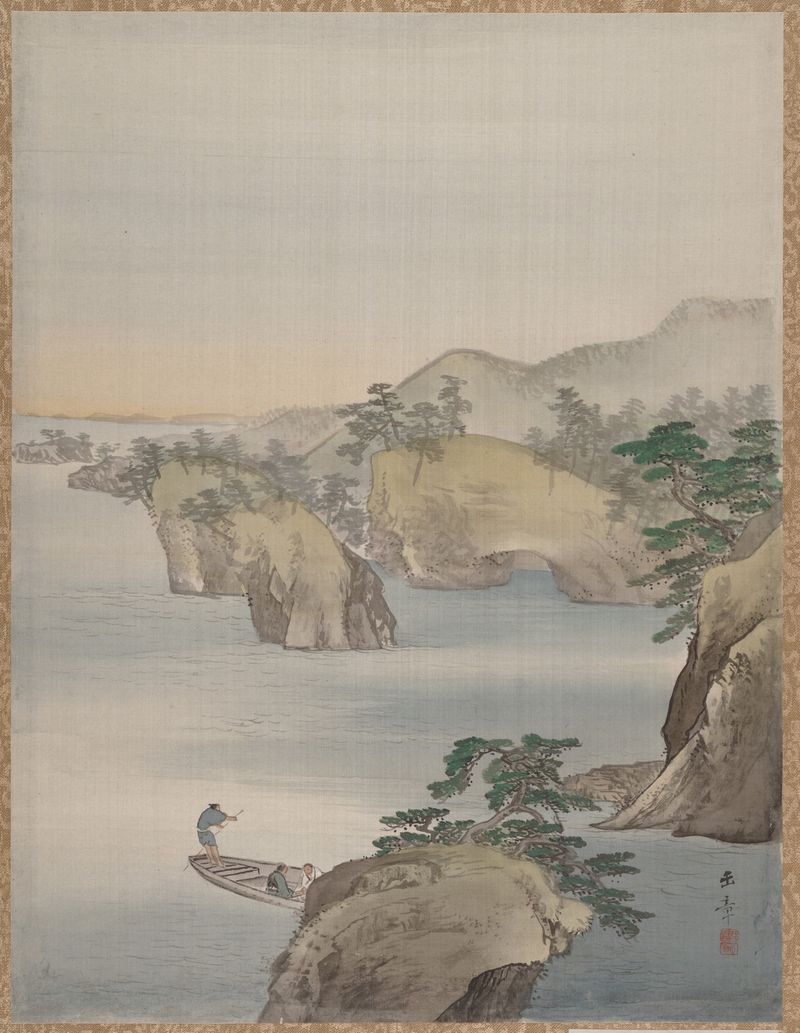
Where does light end, and longing begin? In the delicate brushstrokes of a serene landscape, a world unfolds that intertwines innocence with ethereal beauty. Look to the horizon, where gentle hills dance beneath a wash of soft blues and greens. The subtle interplay of light and shadow creates an inviting atmosphere, drawing the viewer's eye toward the distant peaks. Notice how the painter's technique captures the essence of tranquility—each stroke seems to breathe life into the stillness of nature, while wisps of clouds hint at a fleeting moment frozen in time.
The careful composition, with its harmonious balance of color, envelops the scene in a soothing embrace. Yet, within this serene vista lies a poignant tension. The untouched beauty of the landscape reflects a longing for simplicity, a nostalgia for the innocence of days gone by. The vibrant yet soft hues evoke a sense of yearning, as if the viewer longs to return to a time when life was less complicated.
Hidden in the details, such as the gentle sway of grass or the delicate curve of a tree, are whispers of a deeper emotional landscape—one that speaks to the fragility of existence and the enduring power of natural beauty. Created between 1887 and 1892, this piece emerged during a transformative era for the artist, who was deeply engaged in the exploration of traditional Japanese aesthetics. Working in Kyoto, Kawabata Gyokushō was inspired by the natural world, a reflection of the broader artistic movements that sought to encapsulate the essence of Japan's landscapes as they were rapidly modernizing. This painting captures not just the physical world, but also an emotional resonance rooted in his personal experiences and the changing tides of cultural identity.