
Blue Landscape — History & Facts
Can beauty exist without sorrow? In Blue Landscape, luminous hues dance against a canvas brimming with emotional resonance, inviting contemplation on the duality of existence. Look to the left where soft, rolling hills emerge from a sea of azure, their gentle curves creating a rhythm that draws the eye inward. Notice how the artist employs a gradient of blues and whites to evoke a sense of tranquility, while hints of deeper shades flicker like whispered secrets in the shadows. The composition balances light and dark, creating an atmosphere that feels both expansive and intimate, capturing a moment in nature that straddles the line between serenity and longing. Hidden within this seemingly peaceful vista are tensions that pulse beneath the surface.
The cool blues evoke calm, yet they also hint at isolation, suggesting that within tranquility lies an undercurrent of vulnerability. The contrast in tones reflects the dichotomy of hope and melancholy, as each brushstroke carries the weight of unspoken narratives. It’s a landscape that invites the viewer to ponder their own experiences of beauty intertwined with sadness. Arthur Bowen Davies painted Blue Landscape during a time of artistic exploration in the early 20th century, likely in the United States, where he was influenced by American Symbolism and the burgeoning modernist movement.
This period was marked by a quest for new forms of expression, as artists sought to capture the inner emotional worlds alongside the external realities. Davies, known for his dreamlike interpretations of nature, beautifully encapsulated this tension, blending hope with the inherent sorrow of the human experience.
More Artworks by Arthur Bowen Davies
Browse all →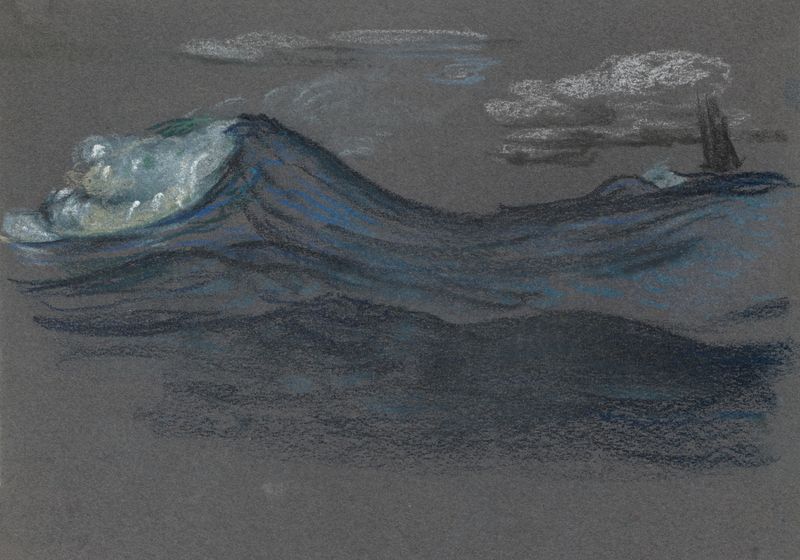
Ocean Swells
Arthur Bowen Davies

Silver Springs
Arthur Bowen Davies
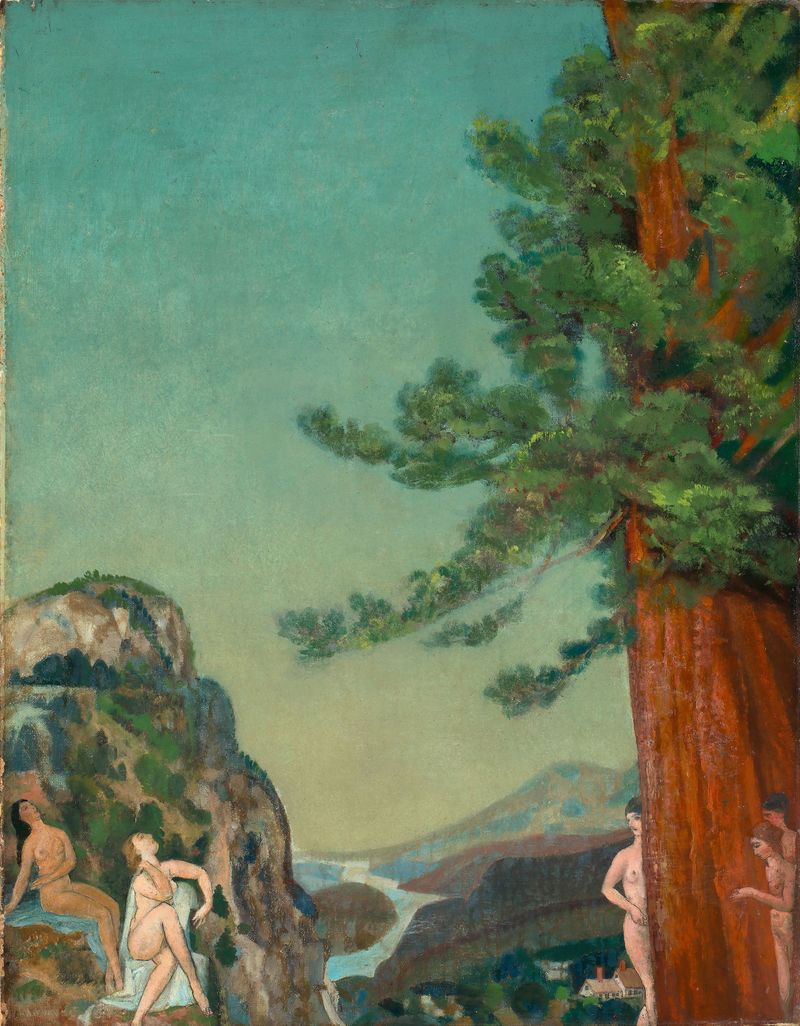
On the Cliffs
Arthur Bowen Davies
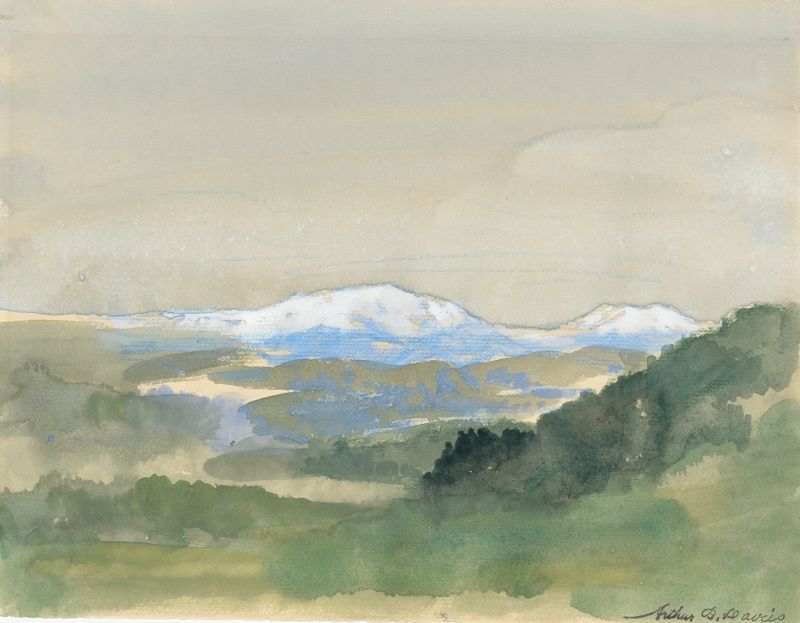
Landscape
Arthur Bowen Davies
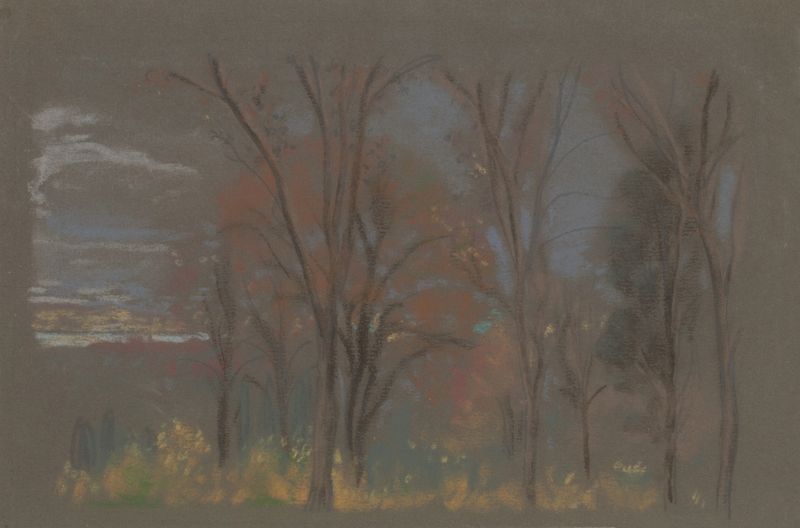
Autumn Woods
Arthur Bowen Davies

Italian Hill Town
Arthur Bowen Davies

View through Poplars
Arthur Bowen Davies
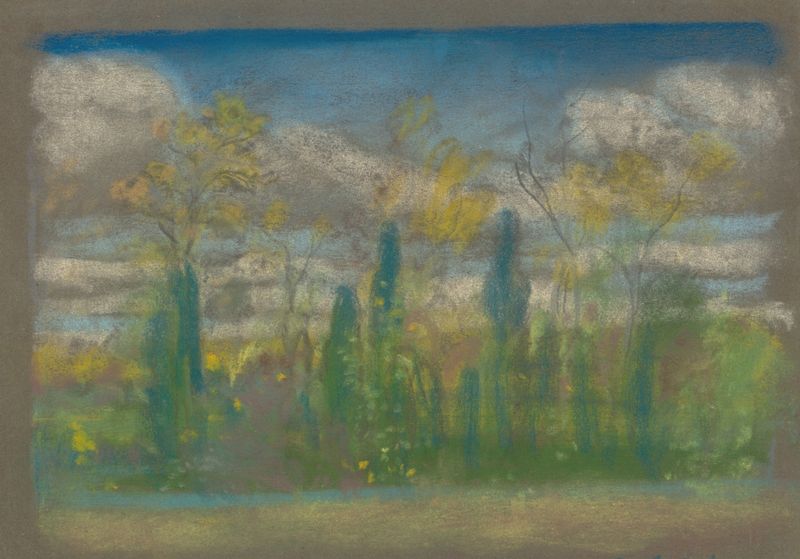
Spring
Arthur Bowen Davies
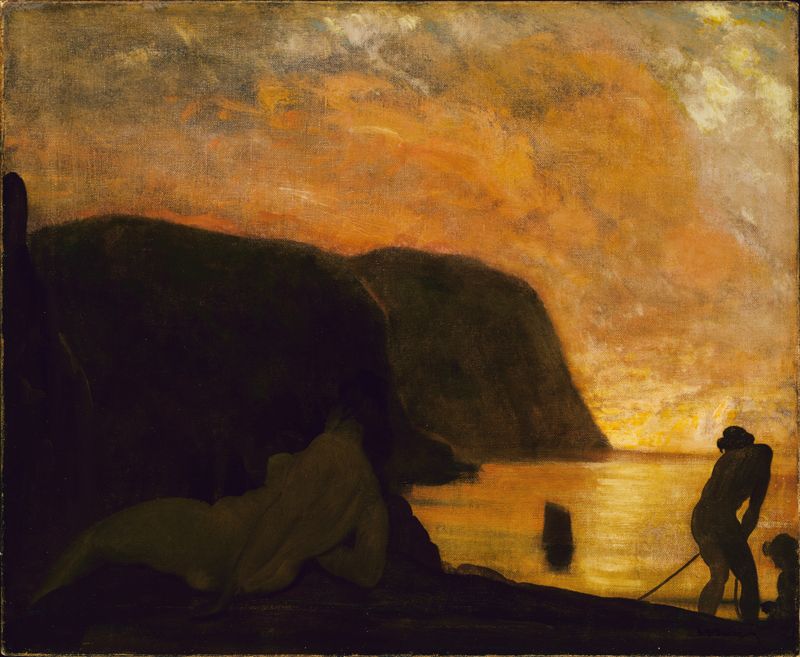
A Greater Morning
Arthur Bowen Davies

The Lake
Arthur Bowen Davies





