
Blue Thicket — History & Facts
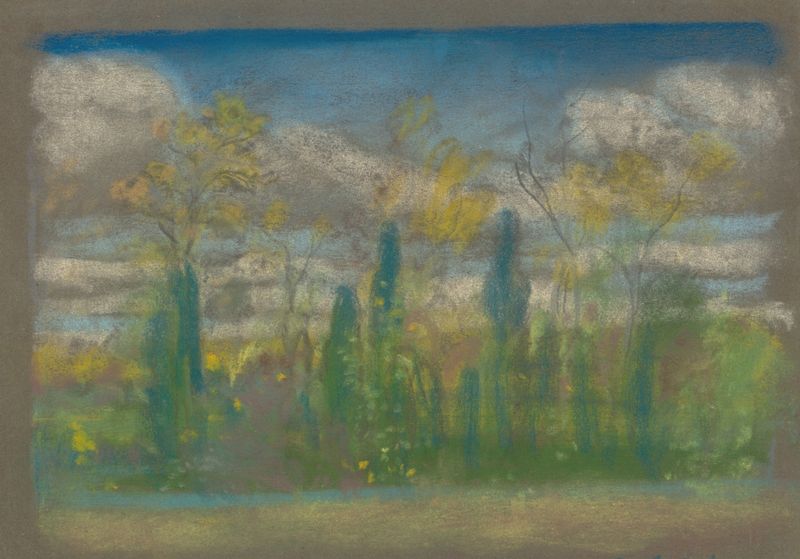
Can paint confess what words never could? In Blue Thicket, the untouched beauty of nature whispers secrets of hope, inviting the viewer into a tranquil embrace where silence speaks volumes. Look to the center of the canvas, where a lush, verdant thicket emerges. The myriad shades of blue, from deep navy to soft cerulean, create a dreamlike quality that beckons the eye. Rich brushstrokes evoke a sense of movement, as if the foliage dances gently in a breeze, each stroke carefully layered to suggest depth and complexity.
Notice how the light filters through the branches, casting ethereal reflections that shimmer like memories held in time. This artwork embodies contrasts between serenity and untamed wilderness, encapsulating life's dualities. The interplay of light and shadow hints at the transient nature of hope—fleeting yet persistent. The blues, while calming, also evoke melancholy, suggesting that amidst the chaos of existence, the promise of renewal persists.
Delve deeper, and you might feel the pulse of life hidden within the thicket, a reminder that growth often flourishes in the most unexpected places. At the time Blue Thicket was created, Arthur Bowen Davies was exploring themes of nature and mysticism in his work. Little is known about the exact date of this painting, but it fits within the early 20th century, a period marked by a burgeoning interest in symbolism and an evolving understanding of landscape painting. The artist was involved in the American art scene, which was beginning to embrace modernist ideas, yet he remained deeply rooted in the emotive power of natural forms.
More Artworks by Arthur Bowen Davies
Browse all →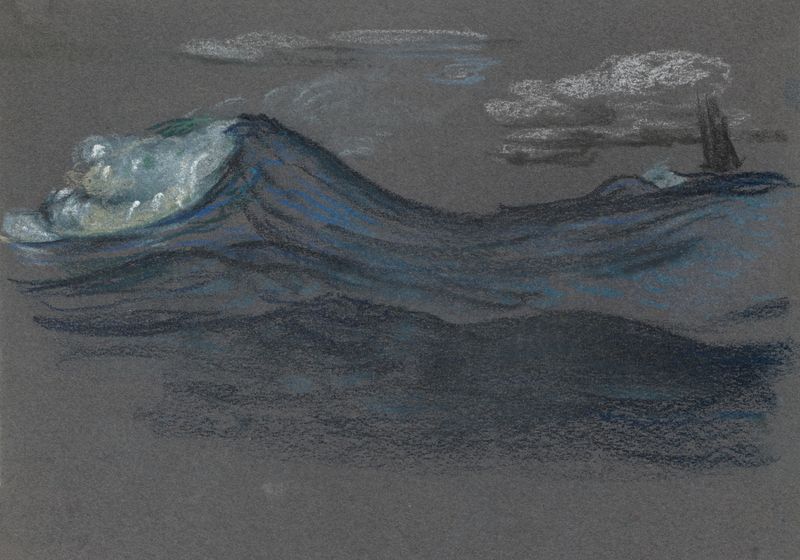
Ocean Swells
Arthur Bowen Davies

Silver Springs
Arthur Bowen Davies
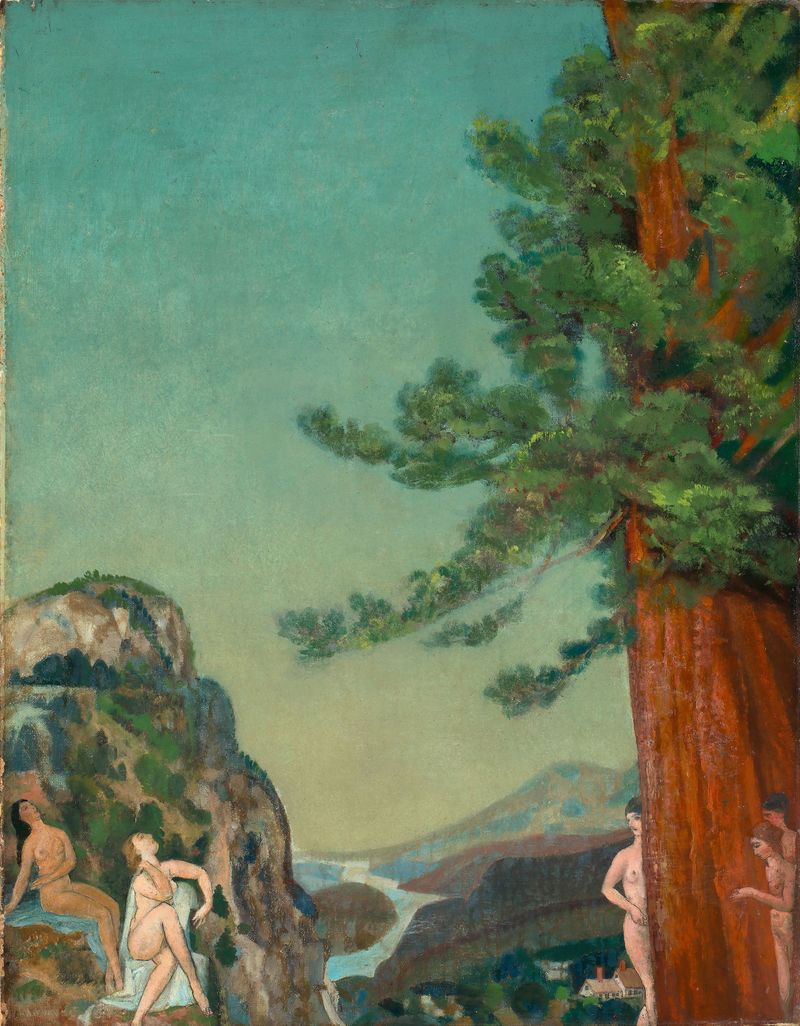
On the Cliffs
Arthur Bowen Davies
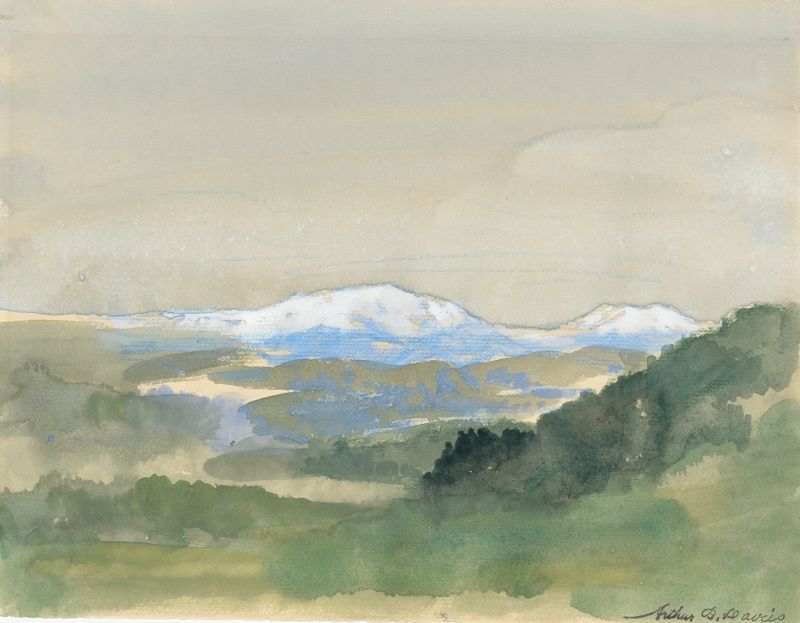
Landscape
Arthur Bowen Davies
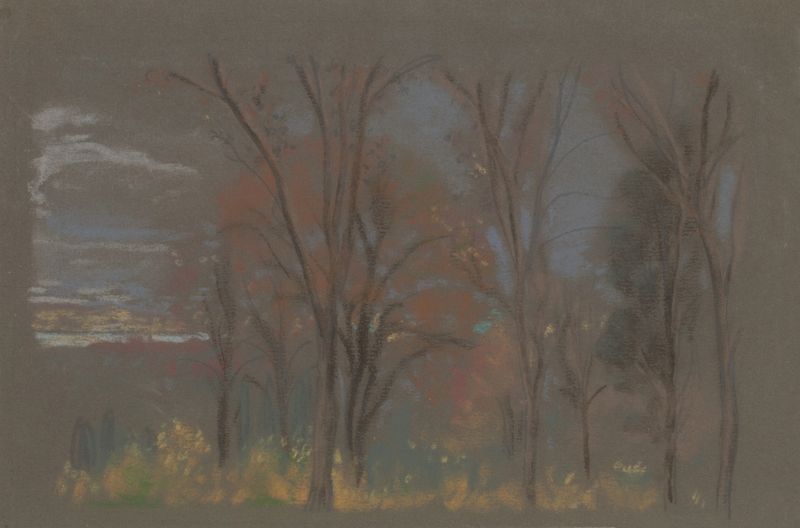
Autumn Woods
Arthur Bowen Davies

Italian Hill Town
Arthur Bowen Davies

View through Poplars
Arthur Bowen Davies
Spring
Arthur Bowen Davies
A Greater Morning
Arthur Bowen Davies

The Lake
Arthur Bowen Davies





