
Boathouse by the Water — History & Facts
In a tranquil waterscape, the serene surface conceals depths of emotion and history, inviting the viewer to awaken to its layered complexity. Look to the left at the boathouse, its weathered wooden beams infused with the warm glow of the setting sun. The light dances across the water, creating rippling reflections that intermingle with the soft hues of dusk. Notice how the artist employs a palette of muted greens and rich browns, harmonized with splashes of gold, to evoke a sense of nostalgia.
The carefully crafted brushwork enhances the texture of the dock, drawing our eyes to the delicate play between solidity and fluidity. Beneath the calm exterior, one might perceive the bittersweet transience of life. The boathouse stands as both a refuge and a reminder of fleeting moments, embodying the tension between permanence and impermanence. It whispers of stories long forgotten, of laughter echoing across the water and the inevitable passing of seasons.
The juxtaposition of the stable structure against the ever-changing water reflects the human condition—a yearning for stability amidst the uncertainty of existence. Arthur Clifton Goodwin painted this piece in 1911, during a period of personal and artistic exploration. Living in Massachusetts, he was influenced by the Impressionist movement, seeking to capture the ephemeral beauty of nature. This work represents a moment of introspection in his career, as he transitioned from representational landscapes to more evocative interpretations, mirroring the shifting tides of the world around him.
More Artworks by Arthur Clifton Goodwin
Browse all →
Dock Scene, Boston
Arthur Clifton Goodwin

Gloucester Harbor
Arthur Clifton Goodwin
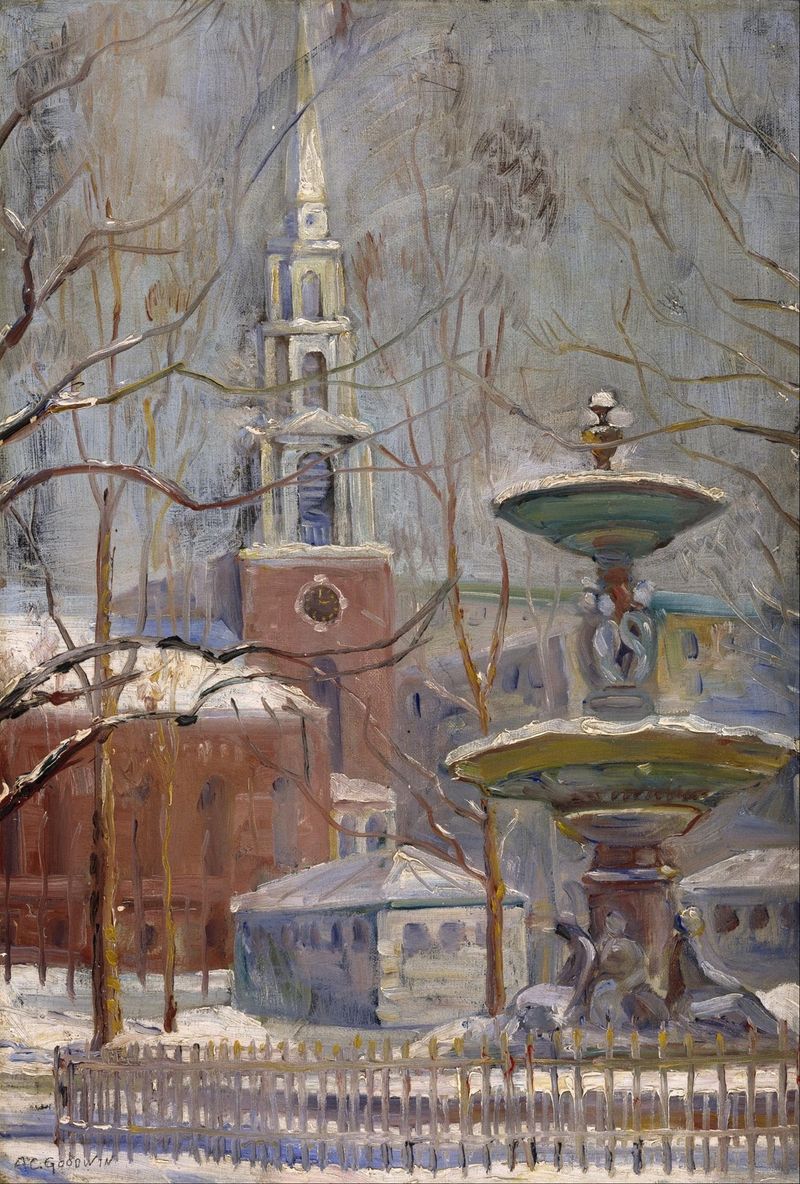
Park Street at Boston Commons
Arthur Clifton Goodwin
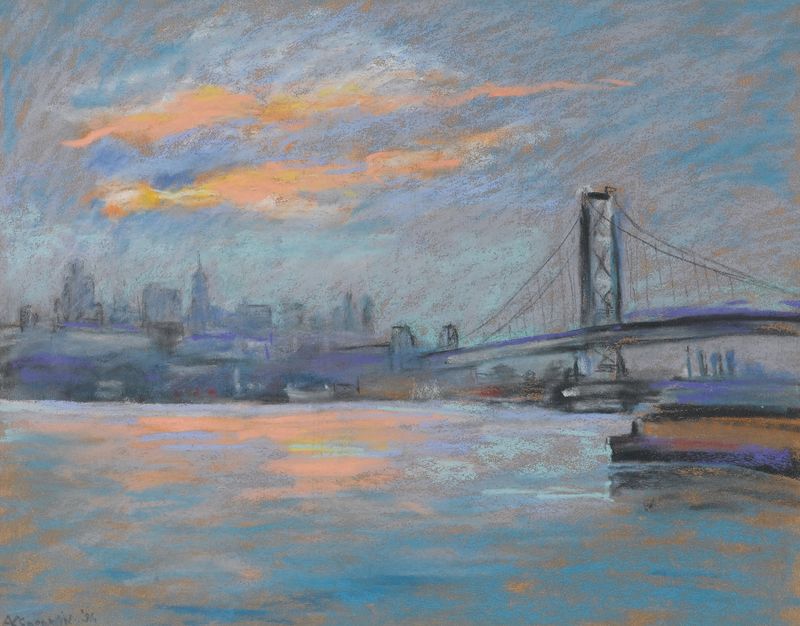
View of the Brooklyn Bridge
Arthur Clifton Goodwin
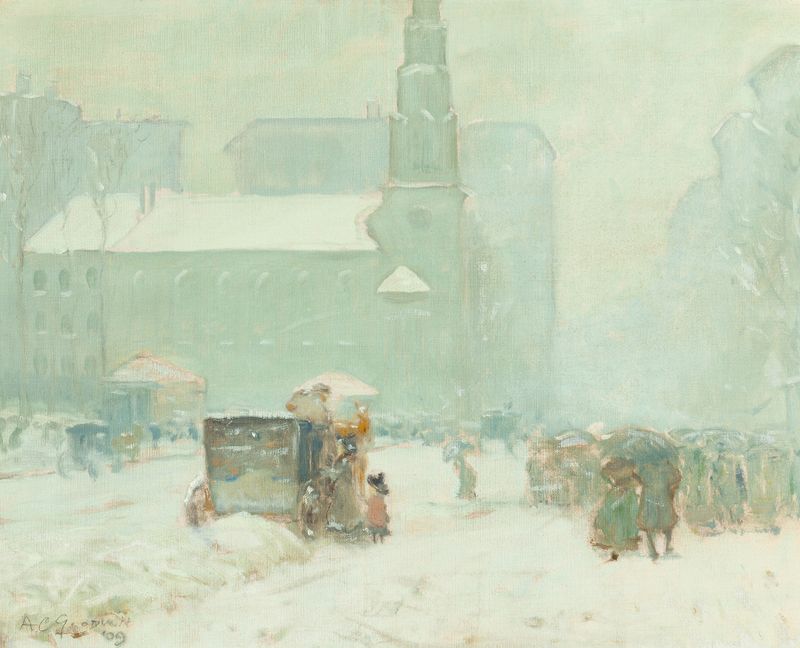
Park Street, Boston
Arthur Clifton Goodwin

Up Columbus Avenue–Walk-on Common
Arthur Clifton Goodwin
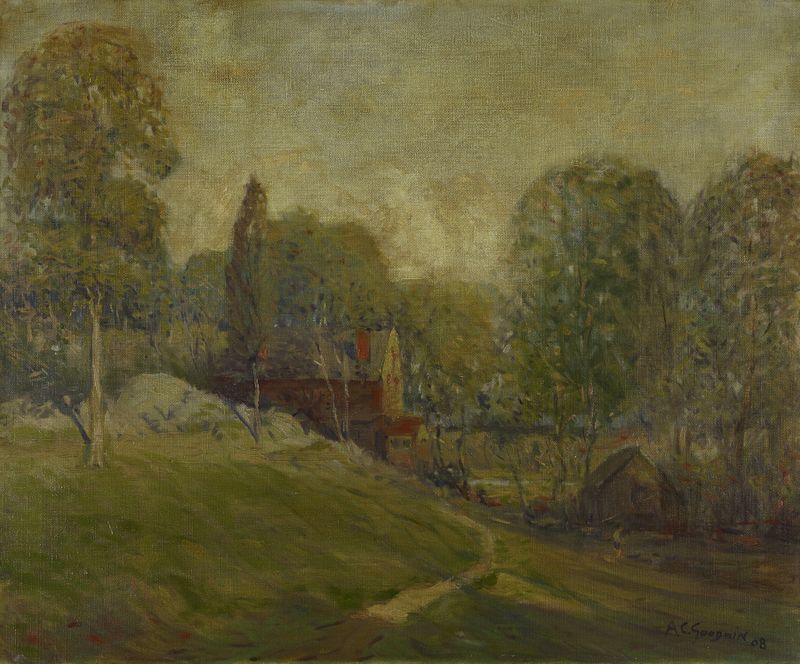
Landscape
Arthur Clifton Goodwin

Untitled
Arthur Clifton Goodwin

Gloucester
Arthur Clifton Goodwin





