
Boerenpaar — History & Facts
The passage of time holds secrets within its folds, often hidden behind the surface of what seems charmingly ordinary. In Boerenpaar, the layers of meaning beckon us to look closer at the lives and stories intertwined within the brushstrokes. Focus on the couple at the center of the canvas, their expressions quietly revealing the burdens of their daily existence. The warm earth tones and lush greens create a rich backdrop that contrasts with their somber faces, capturing both the beauty and struggle of peasant life in 15th-century Netherlands.
Notice how the light falls upon their clothing, its intricate texture drawing attention to the details, suggesting the labor that has worn them over the years. The positioning of their hands—largely hidden yet subtly intertwined—speaks volumes of their partnership, both in work and in life. Yet, within this serene portrayal lies an undercurrent of tension. The lack of ostentation in their attire hints at economic hardship, while their shared gaze suggests a complex blend of resignation and resilience.
The pastoral setting, though picturesque, evokes a sense of isolation; the couple is grounded in their land, yet bound by their limited circumstances. The juxtaposition of their poised demeanor against the muted surroundings elicits a deeper contemplation about the beauty found in struggle and the passage of time that molds them. Painted between 1470 and 1475, this piece emerged during a transformative period in Northern Renaissance art, where realism began to flourish. The artist, known as the Meester van het Amsterdamse Kabinet, captured this moment as Europe was awakening to new ideas about identity and social status.
Amidst the broader changes in art, this work reflects a timeless narrative of the human condition, revealing how beauty is often layered with the complexities of everyday life.
More Artworks by Meester van het Amsterdamse Kabinet
Browse all →
De Heilige Familie bij de rozenstruik
Meester van het Amsterdamse Kabinet

Hertenjacht
Meester van het Amsterdamse Kabinet
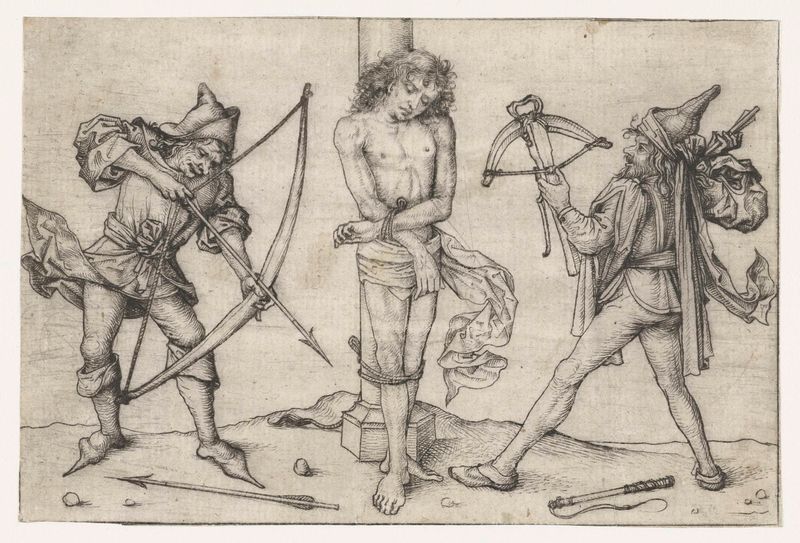
Heilige Sebastiaan met boogschutters
Meester van het Amsterdamse Kabinet

Het lichaam van Christus ondersteund door twee engelen
Meester van het Amsterdamse Kabinet

Heilige Anna-te-Drieën
Meester van het Amsterdamse Kabinet

Heilige Barbara (grote versie)
Meester van het Amsterdamse Kabinet
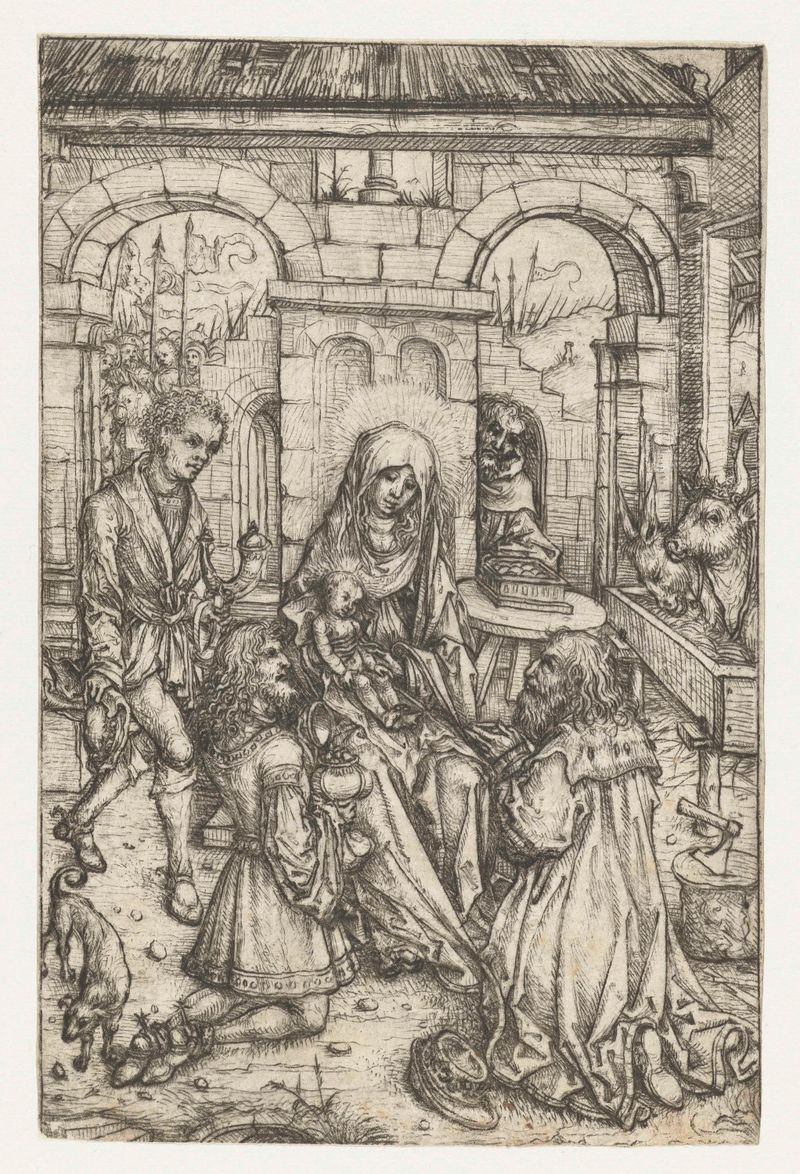
Aanbidding der koningen
Meester van het Amsterdamse Kabinet
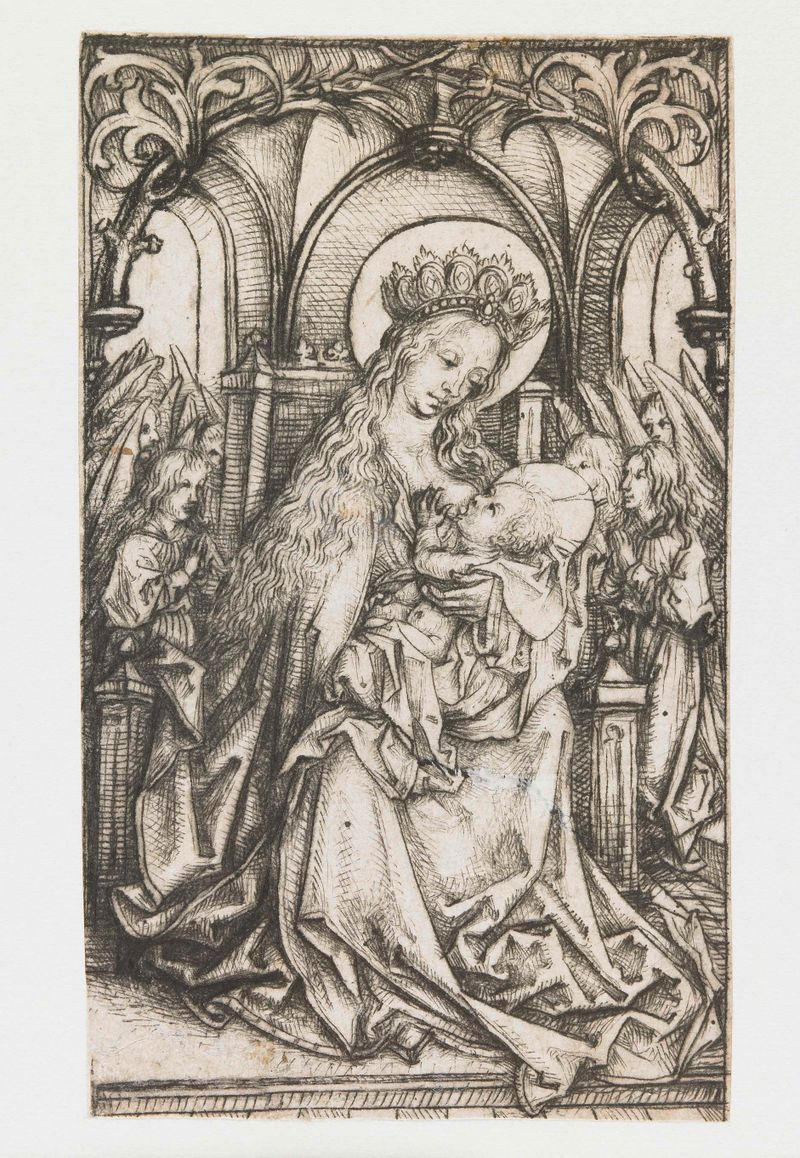
Tronende Madonna door engelen aanbeden
Meester van het Amsterdamse Kabinet

Het zegenend Christuskind
Meester van het Amsterdamse Kabinet
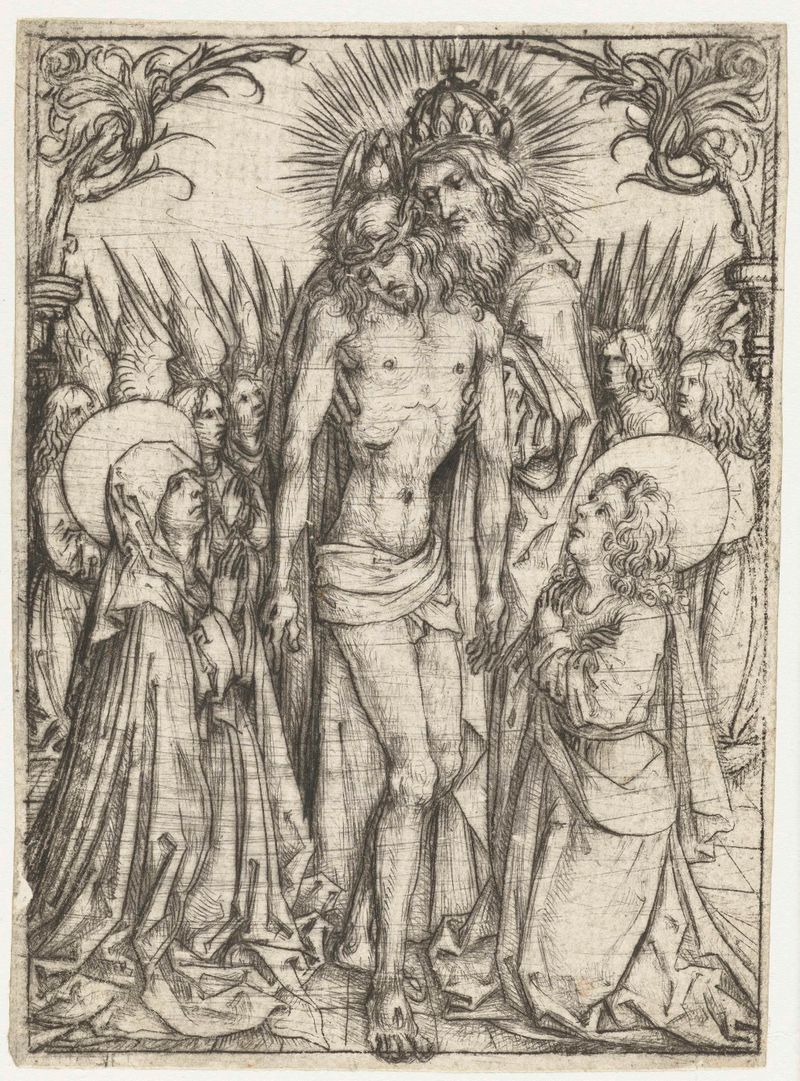
Aanbidding van de Heilige Drieëenheid door Maria, Johannes de Evangelist en engelen
Meester van het Amsterdamse Kabinet
More Portrait Art
Browse all →
Las meninas
Diego Velázquez

Self-portrait with a Bandaged Ear and Pipe
Unidentified artist

Girl with a Pearl Earring
Johannes Vermeer

The Sampling Officials of the Amsterdam Drapers’ Guild, Known as ‘The Syndics’
Rembrandt van Rijn

The Hundred Guilder Print: the man seen on the back in the lower left corner
Rembrandt van Rijn

Portrait of Dr Gachet
Vincent van Gogh