
Boerin en twee kinderen voeren de kippen — History & Facts
In a world where every detail speaks a truth of its own, the beauty of ordinary life emerges vividly, inviting us to reflect on the harmony found within daily routines. Look to the left where a woman gently holds a chicken, her posture both protective and nurturing, embodying the essence of motherhood. As your gaze travels across the canvas, observe the two children flanking her, their expressions a blend of curiosity and delight. The earthy palette, marked by warm browns and soft greens, encapsulates the pastoral atmosphere while hinting at the simplicity and richness of rural existence.
The careful rendering of textures, from the feathers of the chickens to the fabric of the woman’s dress, reveals the artist’s meticulous attention to detail and dedication to capturing life’s subtleties. Delve deeper into the scene, and you’ll notice the juxtaposition between the innocence of childhood and the responsibilities of adulthood. The children's playful interaction with the chickens contrasts with the woman’s focused demeanor, suggesting the delicate balance of care and freedom that defines familial bonds. The way light filters through the composition not only highlights each subject but also casts gentle shadows, reflecting the transient nature of these moments that hold profound truths about life's cycles. Jonas Umbach painted this work during the 17th century, a time when Dutch art was flourishing amid a burgeoning middle class.
Living in a period characterized by a growing interest in genre scenes, he found inspiration in everyday life, creating heartfelt depictions that resonate with viewers even today. Through this piece, Umbach contributes to the rich tapestry of his time, celebrating the beauty and truth found in the simplicity of rural life.
More Artworks by Jonas Umbach
Browse all →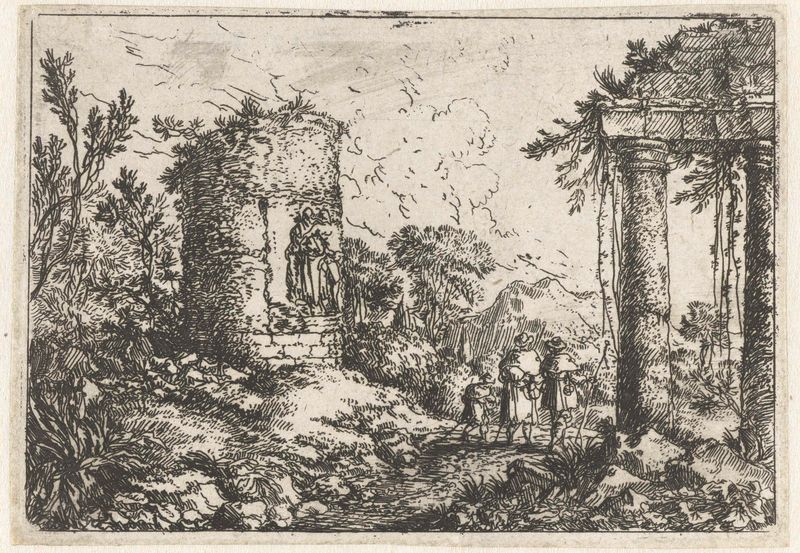
Landschap met ruïnes en drie pelgrims
Jonas Umbach

Johannes de Doper water drinkend
Jonas Umbach

Heilige Antonius van Padua en zijn visioen van het Christuskind
Jonas Umbach
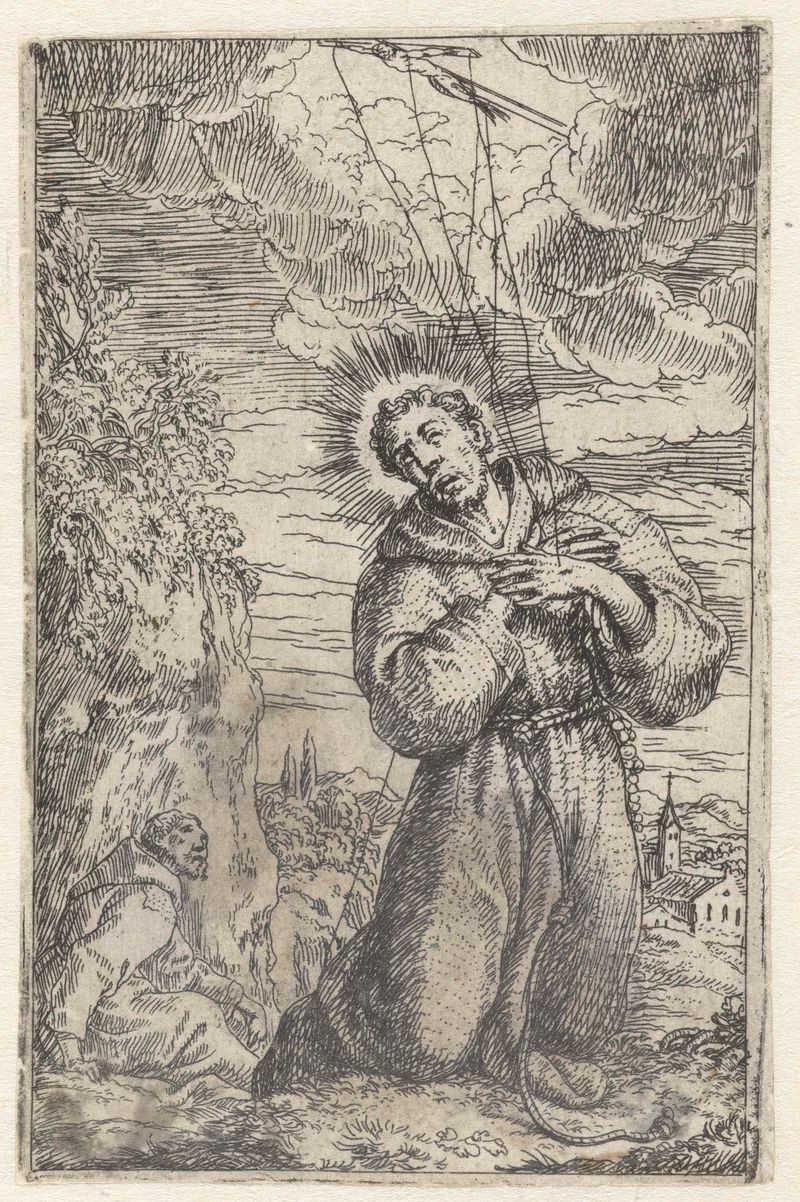
Stigmatisatie van heilige Franciscus
Jonas Umbach
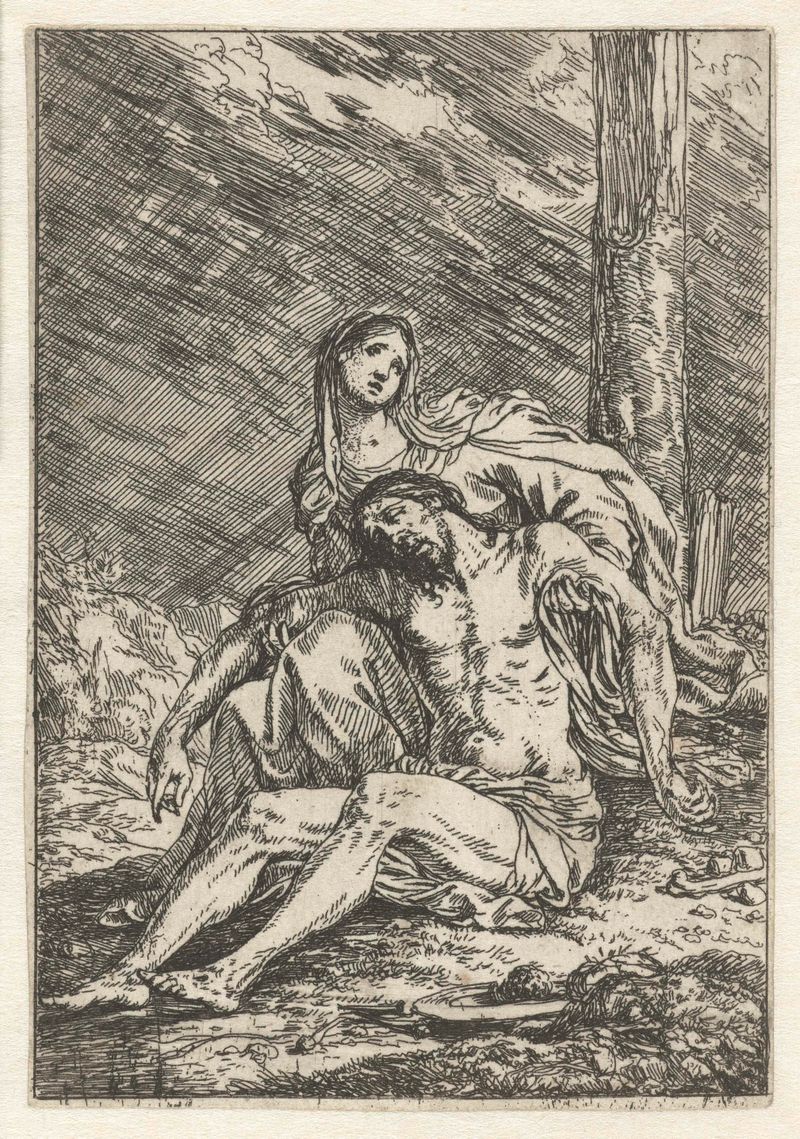
Maria met het lichaam van Christus (Pietà)
Jonas Umbach

Stigmatisatie van heilige Franciscus
Jonas Umbach
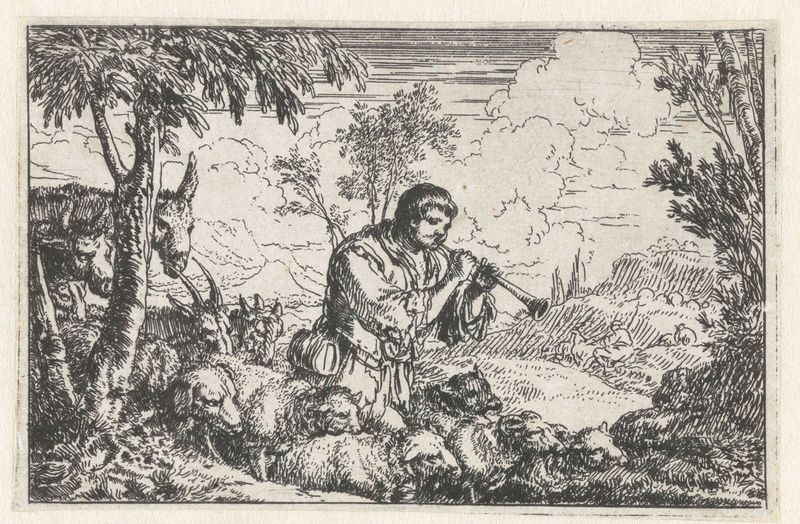
Schalmeispelende herder met kudde
Jonas Umbach
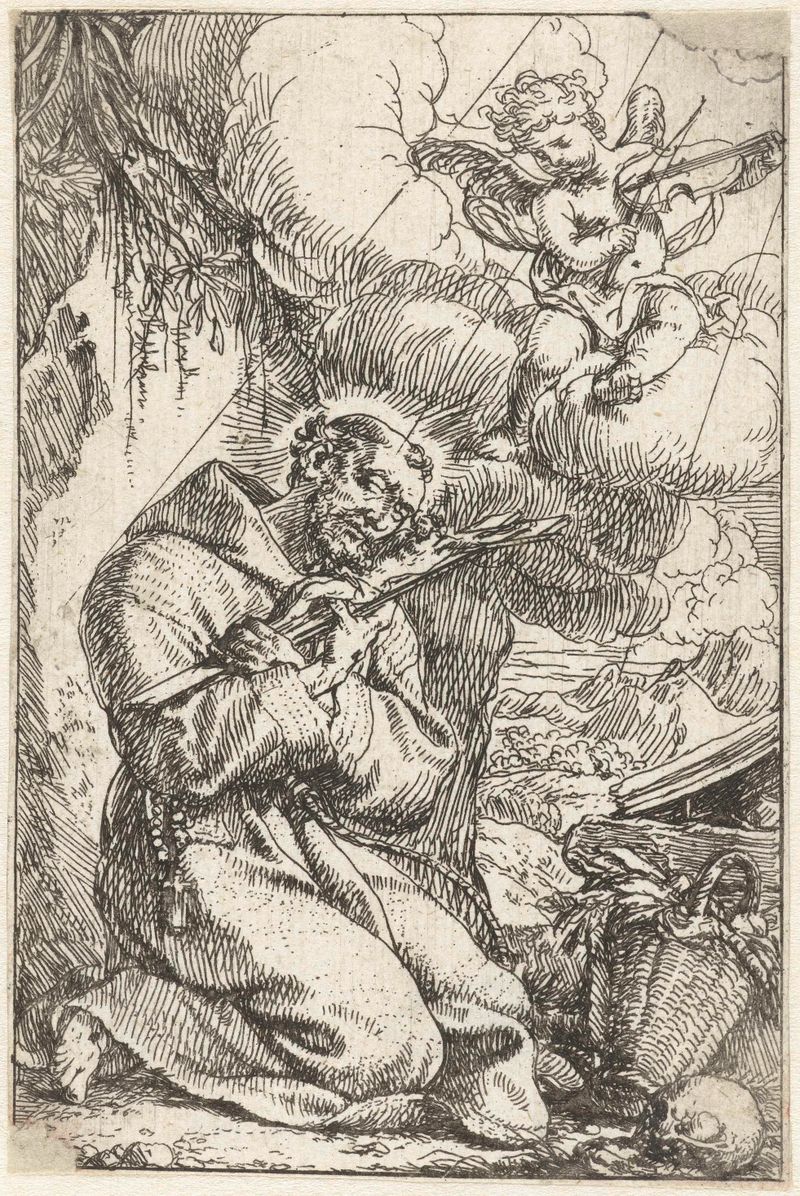
Heilige Franciscus het kruis kussend
Jonas Umbach
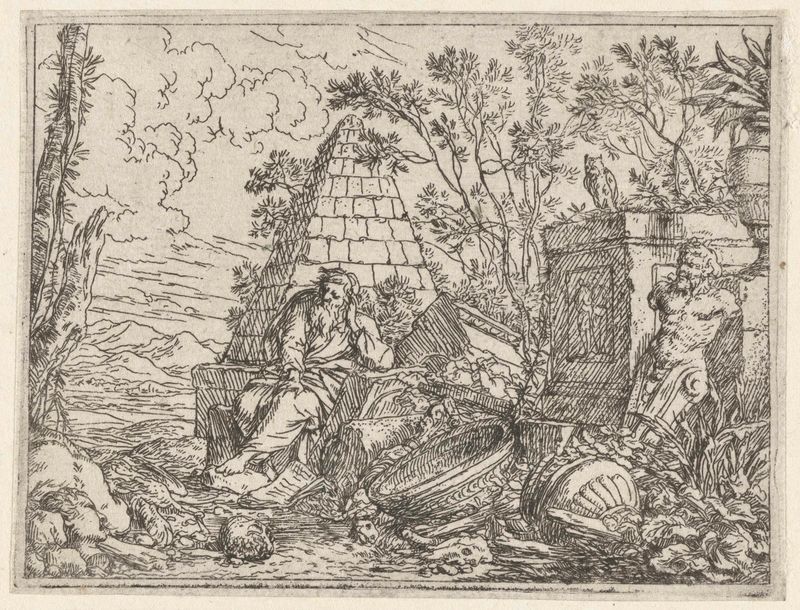
Democritus mediterend
Jonas Umbach

Twee rustende jagers met hun honden en buit
Jonas Umbach





