
Bomen bij een pad — History & Facts
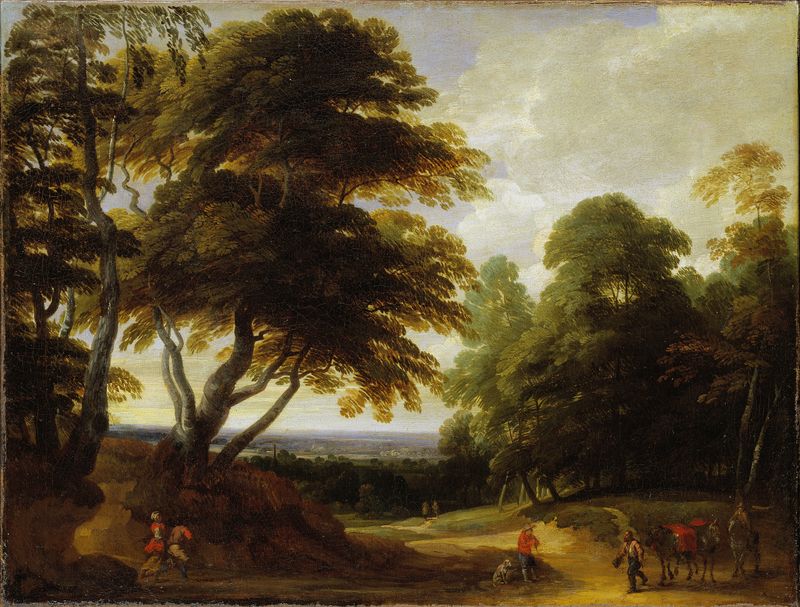
What secret hides in the quiet of the canvas? In the soft interplay of shadow and light, a world of whispers beckons the viewer closer, inviting contemplation of hidden narratives beneath the surface. Look to the left, where the path, framed by towering trees, draws the eye inward, creating a sense of invitation and intrigue. The rich greens of the foliage contrast beautifully with the subtle browns and grays of the earth, establishing a tranquil yet enigmatic atmosphere. Notice how the dappled sunlight filters through the leaves, casting delicate patterns on the ground, and creating a rhythm between illumination and shadow that enhances the painting’s depth. The shadows play a crucial role here, embodying the duality of presence and absence.
They evoke a sense of solitude, suggesting both the comfort of nature and the potential unease of isolation. This contrast invites viewers to ponder who might have walked this path, or what thoughts linger in the air. The juxtaposition of the vibrant foliage against the darkened path hints at unseen journeys and untold stories, fostering an emotional connection that resonates on a personal level. Lodewijk de Vadder, active during the early 17th century, painted Bomen bij een pad in the midst of a flourishing period for Dutch landscape painting.
Living in the Netherlands, a region experiencing economic growth and cultural vitality, his works reflected the emerging appreciation for nature in art. This piece exemplifies the genre's evolution, where meticulous attention to detail and a sophisticated use of light and shadow reveal the artist's keen observation and deep connection to the world around him.
More Artworks by Lodewijk de Vadder
Browse all →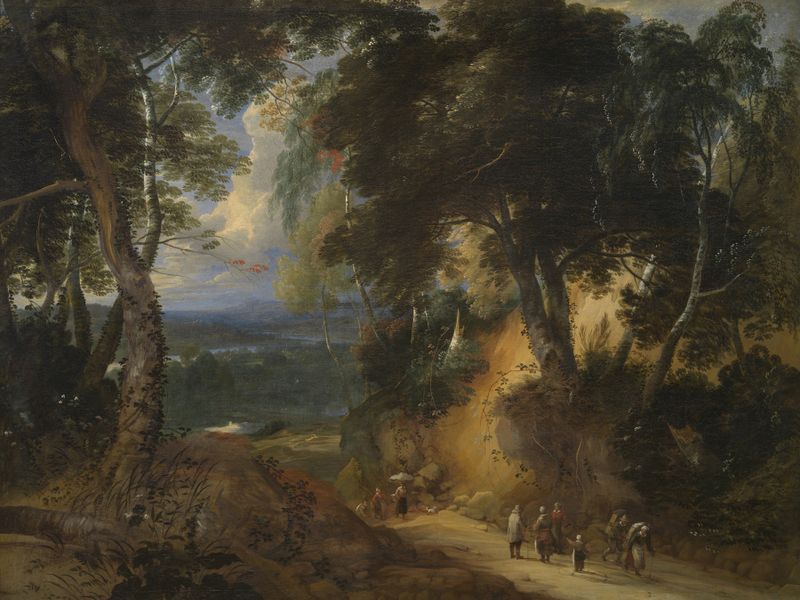
The Soignes Forest
Lodewijk de Vadder
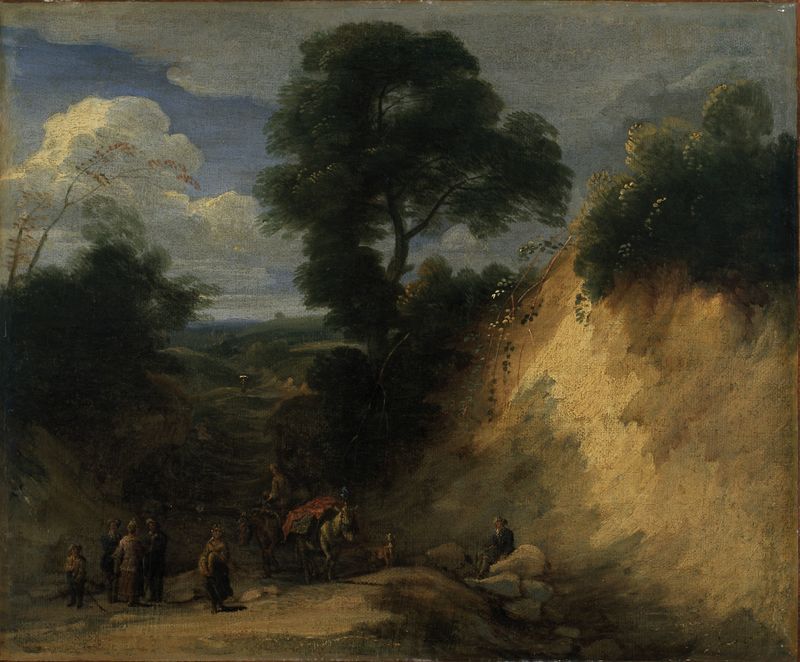
The Sonian Forest with Market Vendors
Lodewijk de Vadder
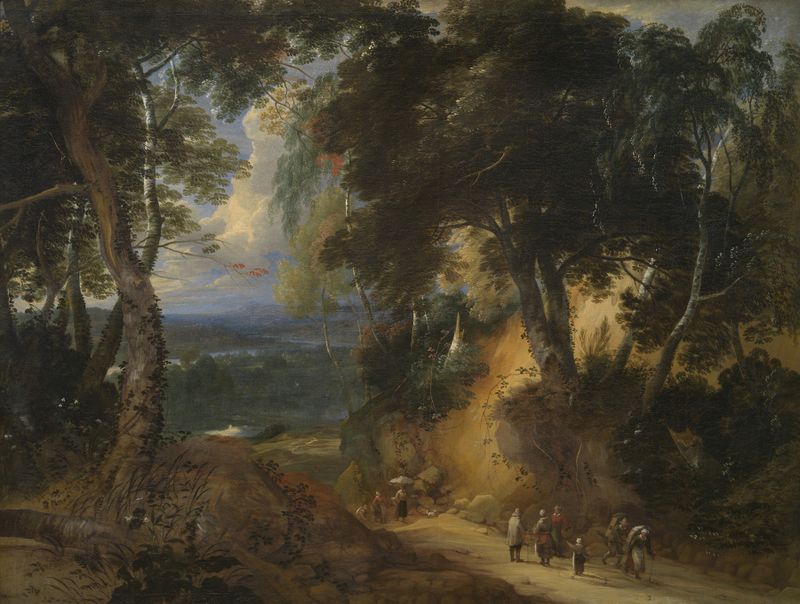
The Soignes Forest
Lodewijk de Vadder
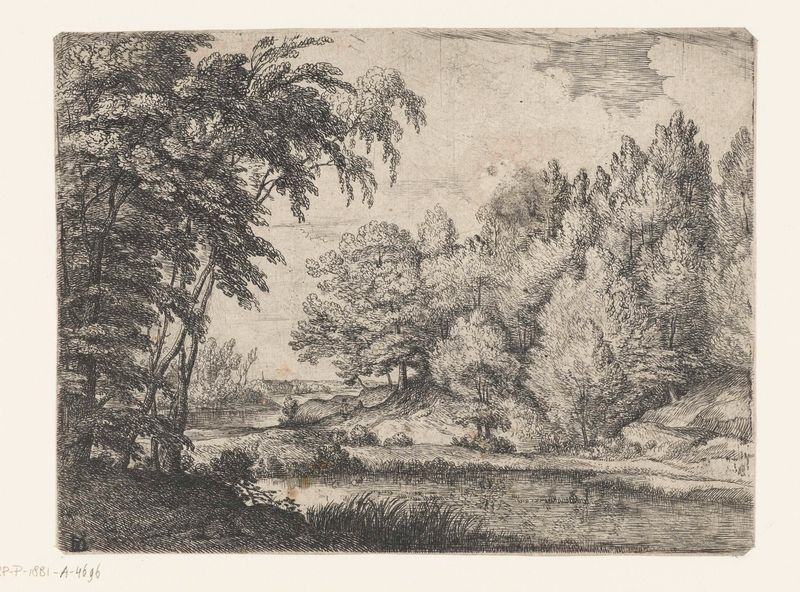
Landschap met een kronkelende rivier
Lodewijk de Vadder
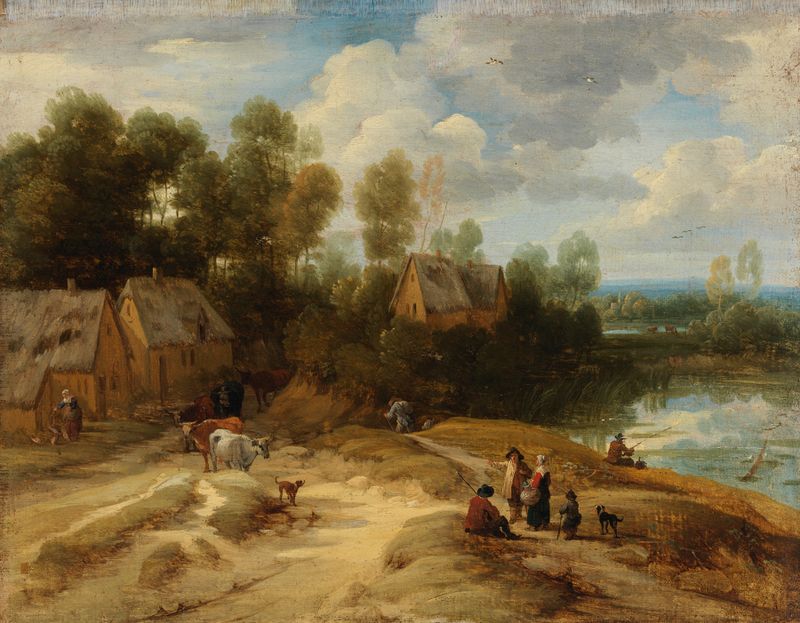
Landscape with Peasants and Cattle
Lodewijk de Vadder
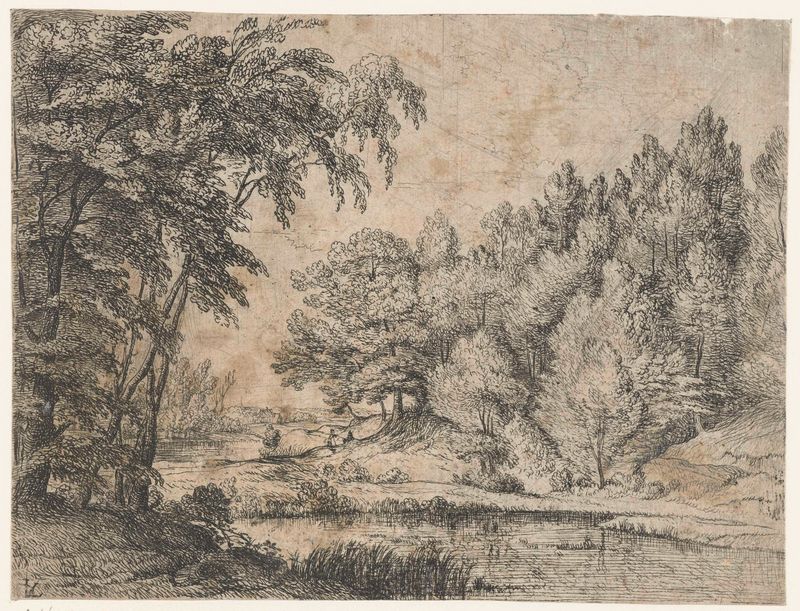
Landschap met een kronkelende rivier
Lodewijk de Vadder
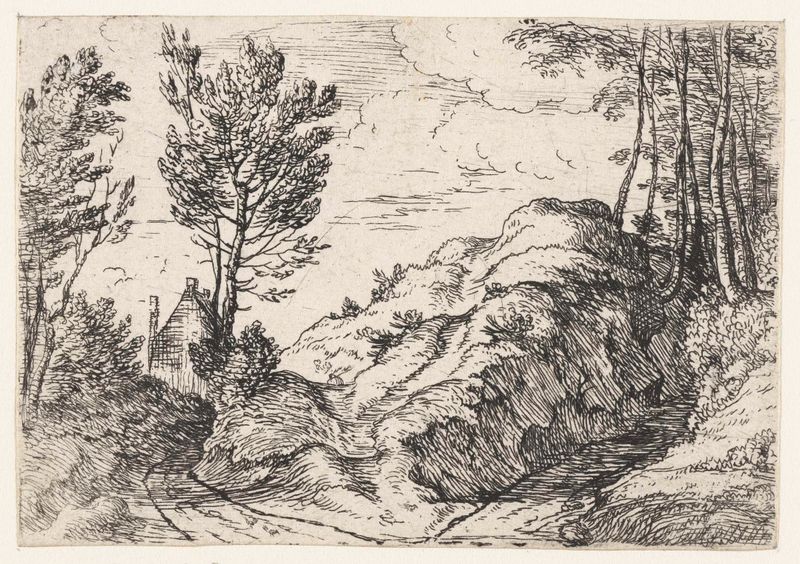
Tweesprong
Lodewijk de Vadder
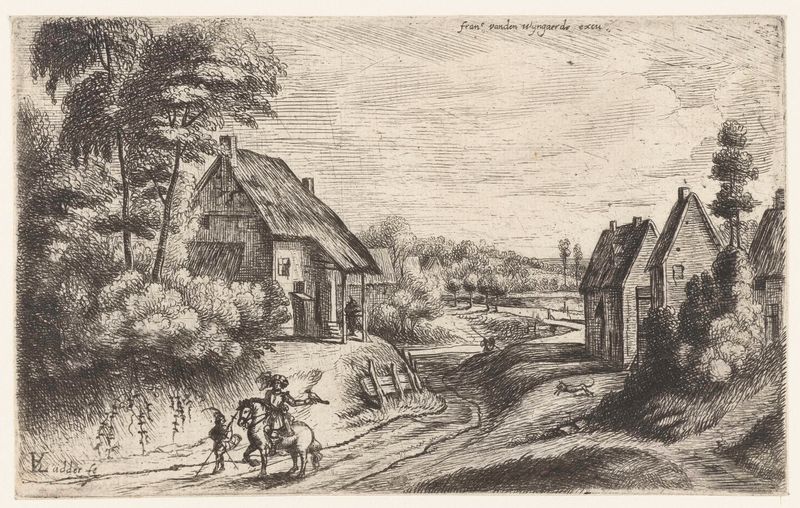
Landschap met twee boerderijen langs een weg
Lodewijk de Vadder
At the Edge of the Forest
Lodewijk de Vadder
Landscape
Lodewijk de Vadder





