Bordighera — History & Facts
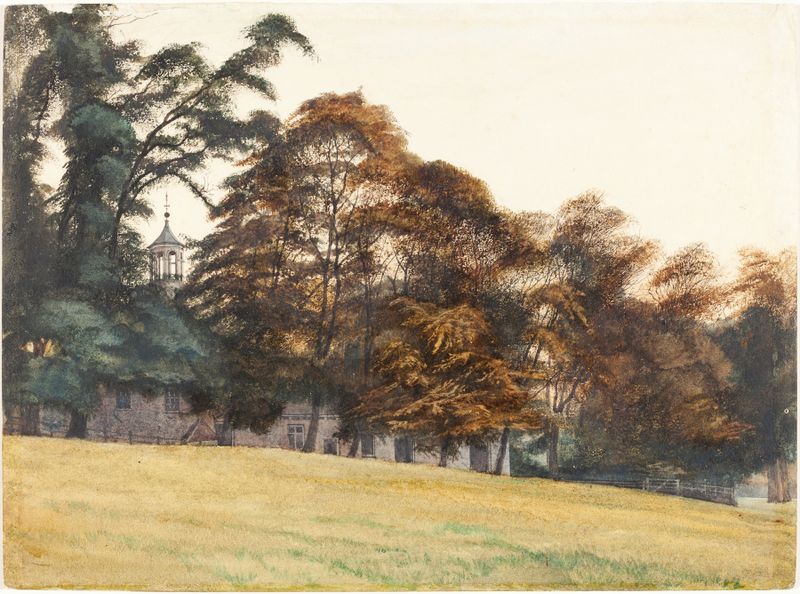
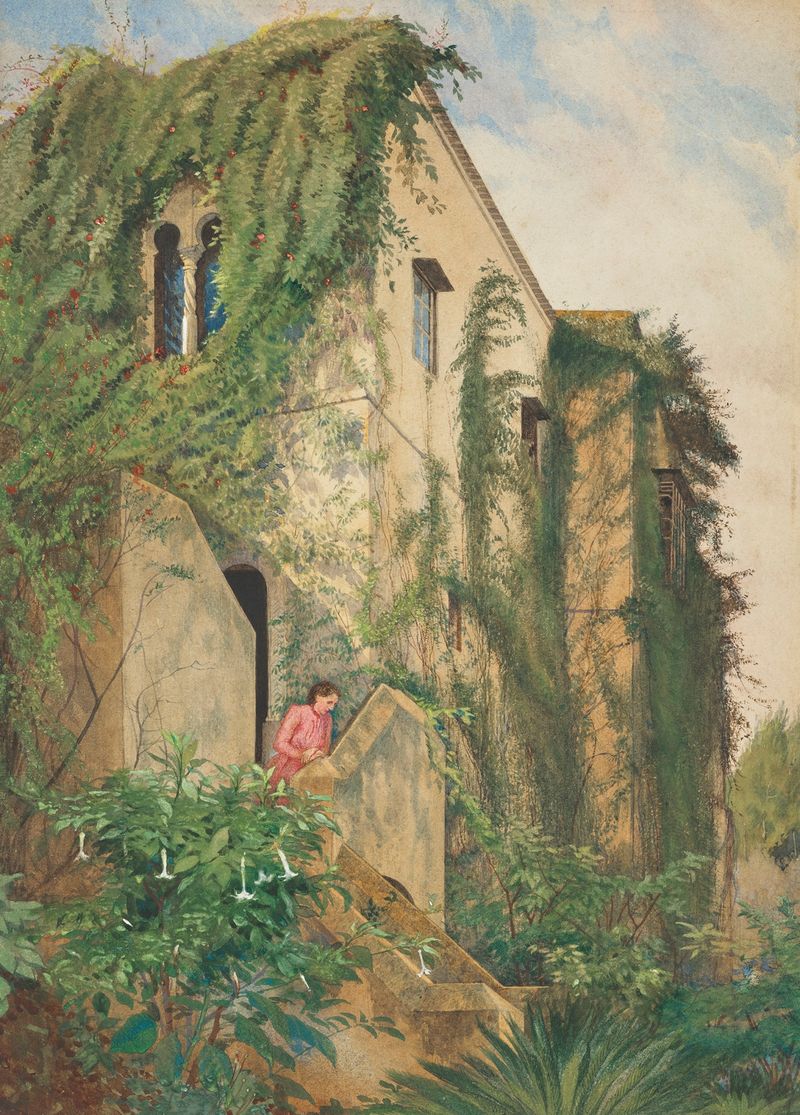
Within the vibrant strokes lies an echo of fear—of fleeting moments, of time’s passage, of nature’s majesty that can both soothe and intimidate. Focus on the sprawling landscape, where lush greens collide with the azure sky. Notice how the light spills across the canvas, illuminating the winding path that leads the eye deeper into the scene. You’ll find the mountainous horizon to the left, its imposing presence softened by the airy clouds above, while the delicate flowers in the foreground draw you in with their intimate detail, inviting you to linger and reflect. Hidden within this serene vista is a tension that speaks to human fragility.
The delicate balance between the vibrant blooms and the looming mountains hints at the thin line between beauty and danger, reminding the viewer of nature's unpredictable nature. The vibrant palette contrasts with deeper, shadowed areas, capturing a simultaneous sense of hope and unease. Each brushstroke reveals a narrative of yearning and trepidation—a reminder of the delicate interplay between joy and fear as life unfolds. At the time this work was created, George Howard was exploring the influence of the Impressionist movement, which sought to capture fleeting moments in nature.
In a world transitioning from the constraints of academia to a burgeoning interest in en plein air painting, Howard embraced this shift, allowing his brush to dance freely across the canvas, revealing his personal interpretation of the landscape, as well as his inner emotional landscape.