
Temple of Juno, Agrigento — History & Facts
In Temple of Juno, Agrigento, the everlasting truths of history and the fleeting nature of existence converge, inviting a profound reflection on our collective memory. Look to the left where the majestic columns rise, their weathered stones bathed in a soft golden light. Notice the intricate shadows that dance across the ruins, creating a dialogue between light and texture. The artist employs a palette of warm ochres and muted greens, harmonizing with the surrounding landscape, which feels both timeless and transient.
The composition draws the eye upward, elevating the viewer’s sense of awe towards the grandeur of the ancient structure against a vast sky. Within this serene yet poignant scene lies a deeper commentary on decay and endurance. The juxtaposition of the crumbling architecture against the lush, vibrant foliage embodies the tension between human achievement and nature's inevitable reclamation. Each column, a sentinel of memories, speaks to the resilience and fragility of cultures lost to time, evoking emotions that linger long after viewing.
The echoes of the past resonate within the present, reminding us of the stories that shape our identity. In 1906, the artist was immersed in a world of artistic exploration and revival, seeking to capture the beauty of classical ideals while wrestling with modernity's changing landscapes. Painted during his travels in Sicily, this work reflects the era's fascination with historical sites and the pursuit of truth in art. Howard, a prominent figure in England’s artistic circles, managed to merge personal contemplation with a broader cultural narrative, encapsulating a moment in time that seeks to endure beyond its temporal limits.
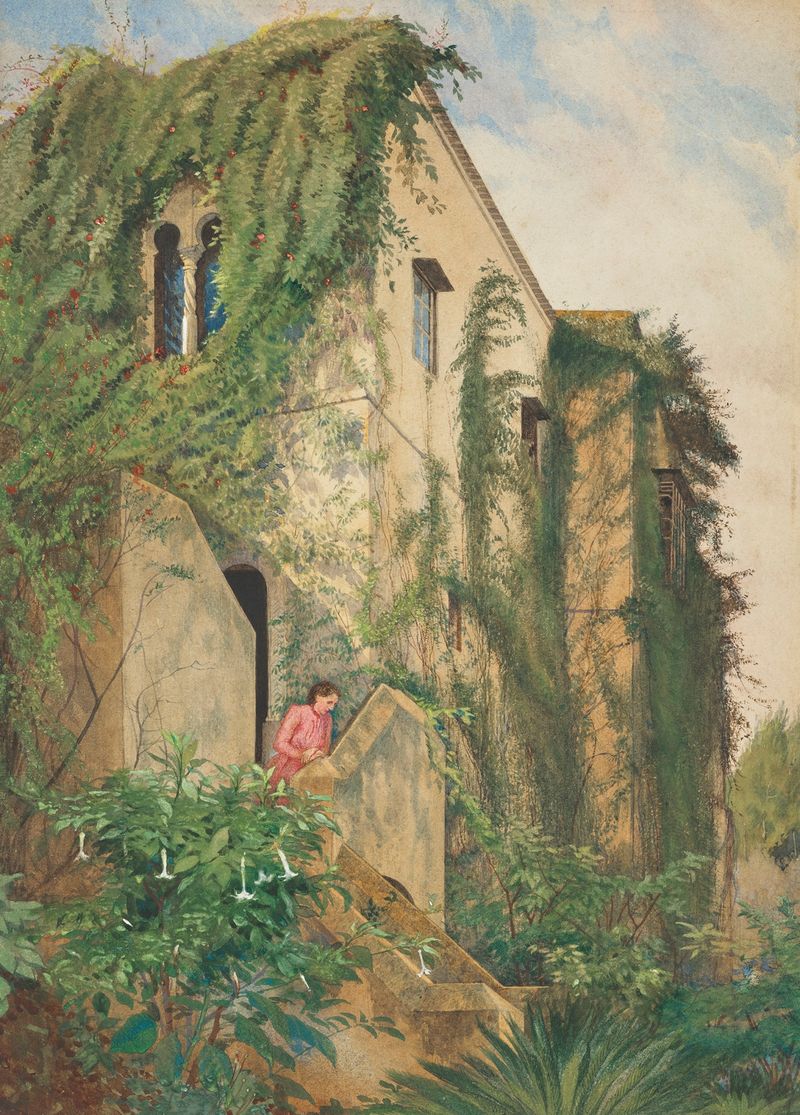
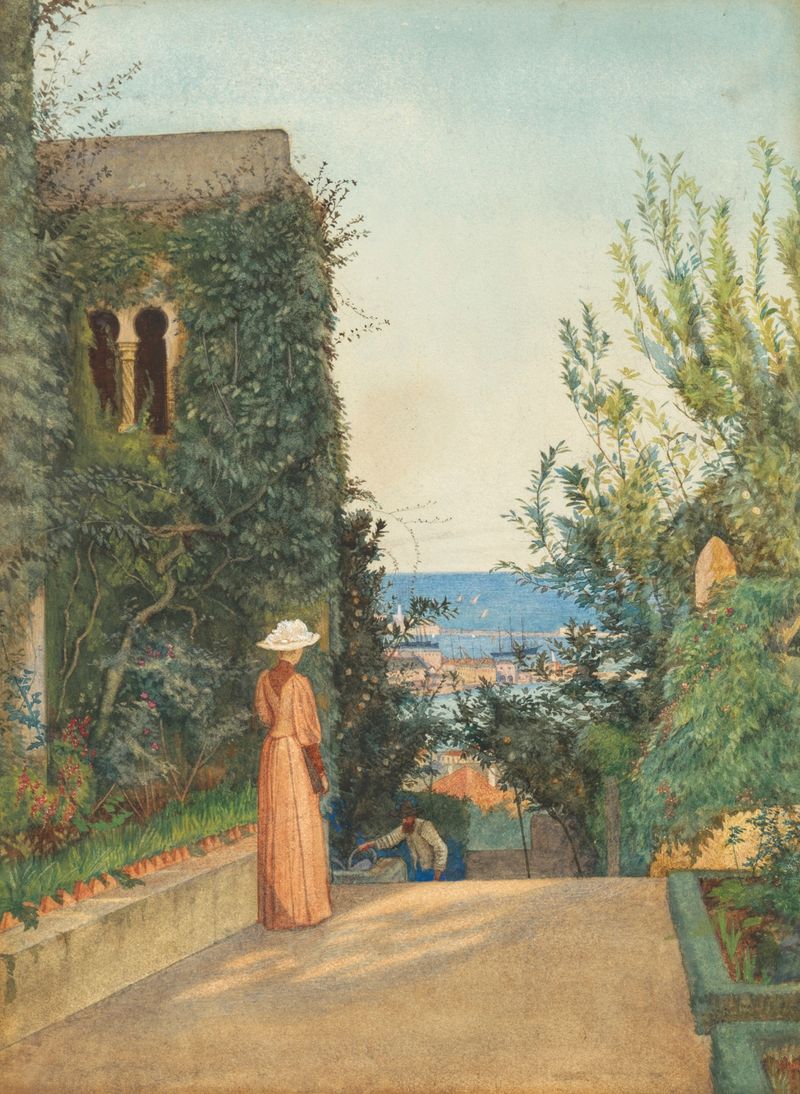
More Artworks by George Howard, 9th Earl Of Carlisle
Browse all →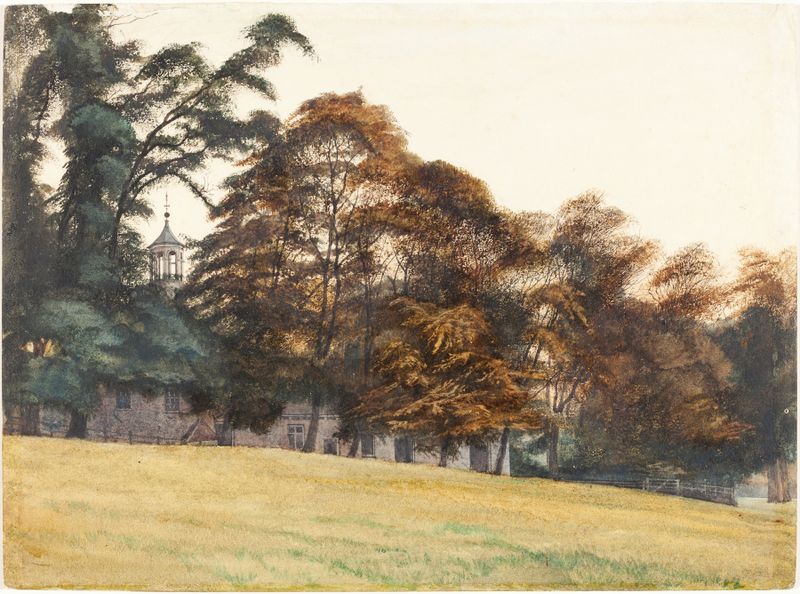
More Architecture Art
Browse all →
The statue of Liberty
Frédéric Auguste Bartholdi

View of Houses in Delft, Known as ‘The Little Street’
Johannes Vermeer

View of Houses in Delft, Known as ‘The Little Street’
Johannes Vermeer

The Cathedral in Rouen. The portal, Grey Weather
Claude Monet

The yellow house
Vincent van Gogh

The Church in Auvers-sur-Oise, View from the Chevet
Vincent van Gogh