Bords du canal à Reims — History & Facts
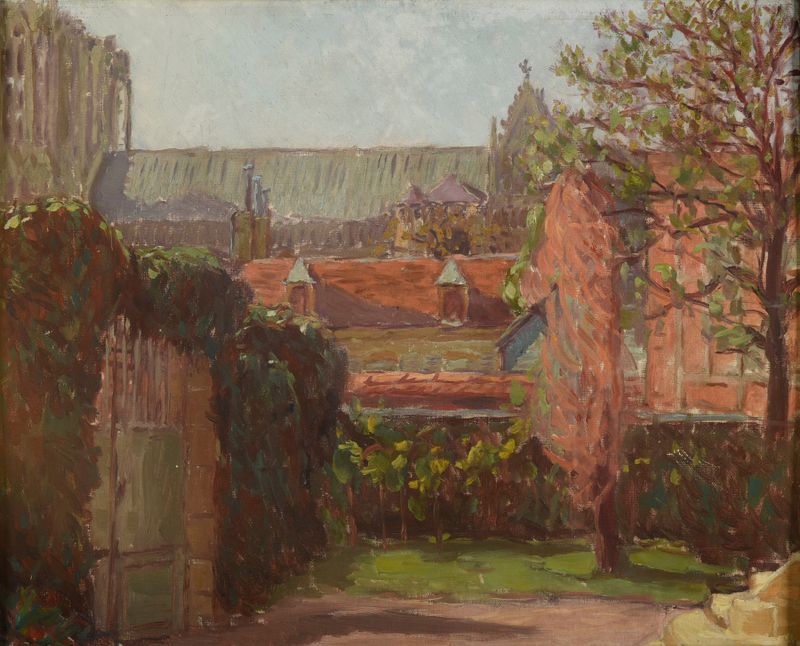
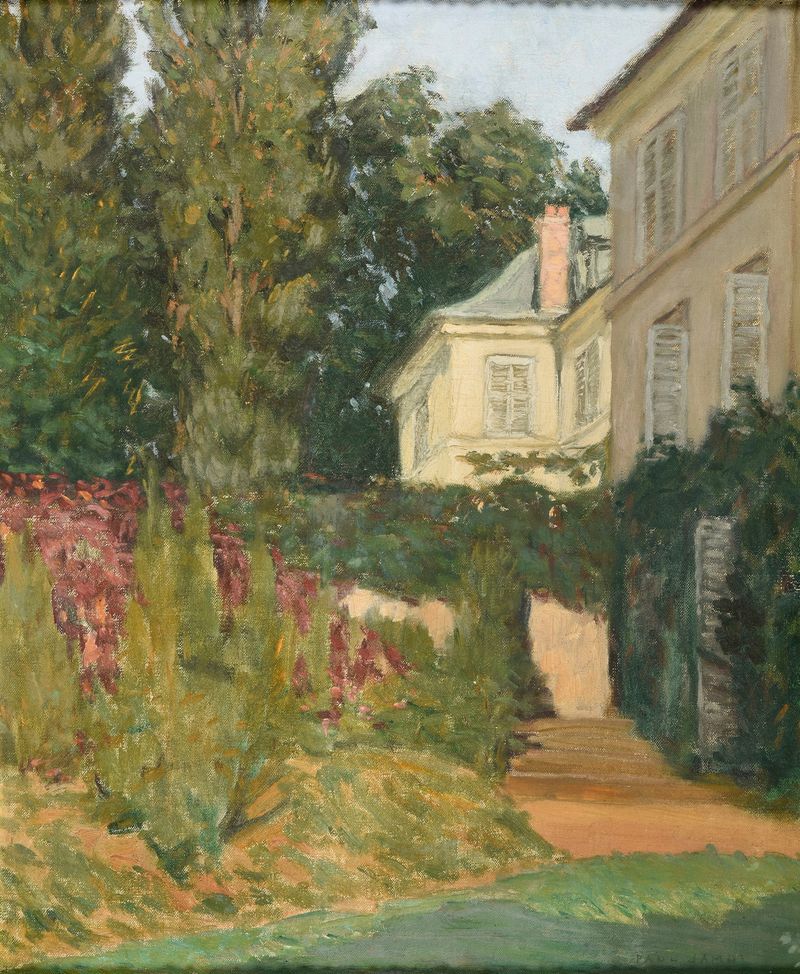
In the stillness of forgotten moments, fear lingers like a shadow, evoking memories we dare not confront. Focus first on the calm surface of the canal. The gentle ripples reflect the pastel hues of a fading day, drawing your gaze deeper into the scene. Notice how the trees, lush and imposing, frame the waterway, creating a feeling of enclosure that hints at both beauty and confinement.
Jamot’s brushwork, soft yet deliberate, conveys a sense of tranquility marred by an undercurrent of unease — a reminder of what lies beneath the surface. As you explore further, subtle contrasts emerge: the vibrant greens of nature juxtaposed against the muted tones of the human presence along the banks. A solitary figure, perhaps a fisherman or a passerby, stands rigidly still, embodying the tension between man and nature. This stillness hints at a deeper fear of solitude and the unknown, where time itself seems suspended, urging the viewer to reflect on their own vulnerabilities.
The soft light casts long shadows that dance along the water, suggesting that even in beauty, darkness can reside. During the period from 1894 to 1904, Jamot was deeply immersed in the Post-Impressionist movement, working primarily in France. This era was marked by a shift towards emotional expression in art, influenced by his contemporaries. At this time, he sought to capture the nuances of everyday life, often painting scenes that resonated with personal and collective experiences.