
La Cathédrale de Reims — History & Facts
Each brushstroke holds a whisper of revolution, a silent testament to the past that beats within the stones of a grand cathedral. Look to the center, where the majestic spires of the cathedral ascend triumphantly against a sky brushed with both stormy grays and hopeful blues. The intricate details of the façade draw the eye; notice the delicate carvings, the play of light woven into the architecture’s deep recesses. Jamot’s palette is rich yet restrained, capturing a moment of dusk where shadows stretch and mingle, evoking a palpable tension between the material and the ethereal. Upon closer inspection, the interplay between light and shadow reveals the artist's intention to convey not just the physical structure, but the spiritual essence residing within it.
The contrasting colors reflect the duality of human experience — the steadfastness of stone against the transience of time. Each window, both illuminated and darkened, suggests the stories held within the cathedral’s ancient walls, hinting at gatherings, prayers, and the weight of history that shape its identity. In 1909, Jamot painted this piece during a period of artistic exploration and cultural change in France. The nation was emerging from the shadows of turmoil, seeking solace and inspiration in its historical landmarks.
As modernism began to reshape the art world, he found himself reflecting on the enduring symbols of faith and resilience, grounding his work in a deeper conversation about both the past and the future.
More Artworks by Paul Jamot
Browse all →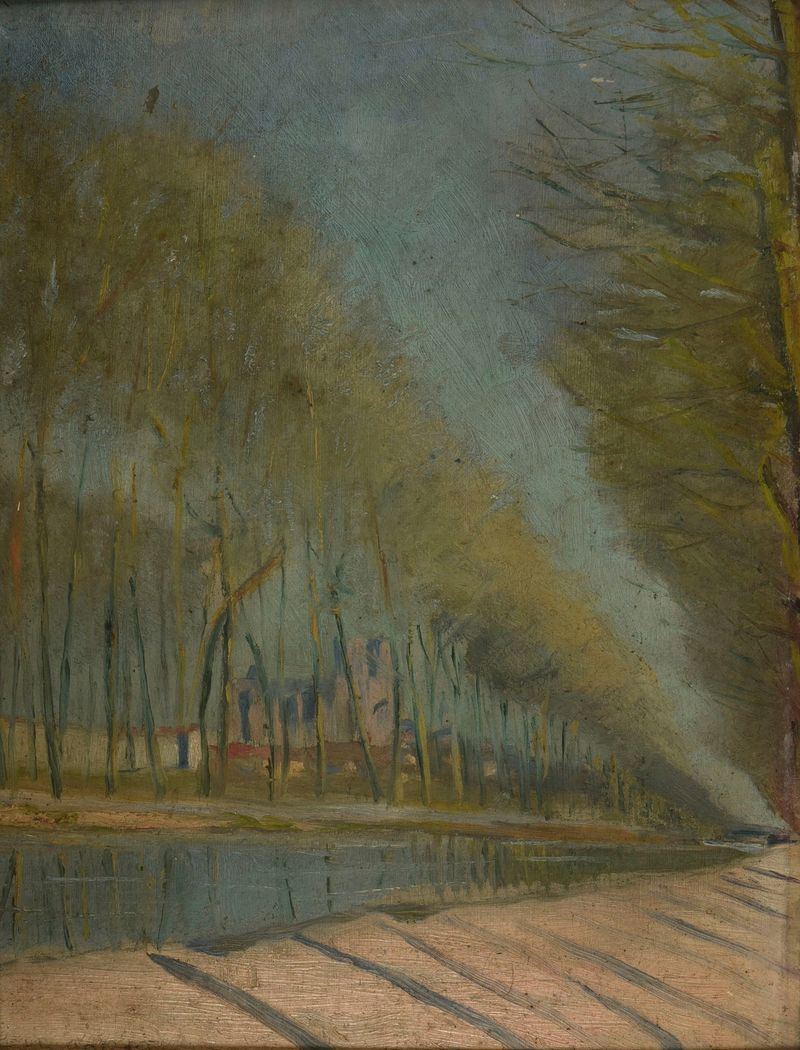
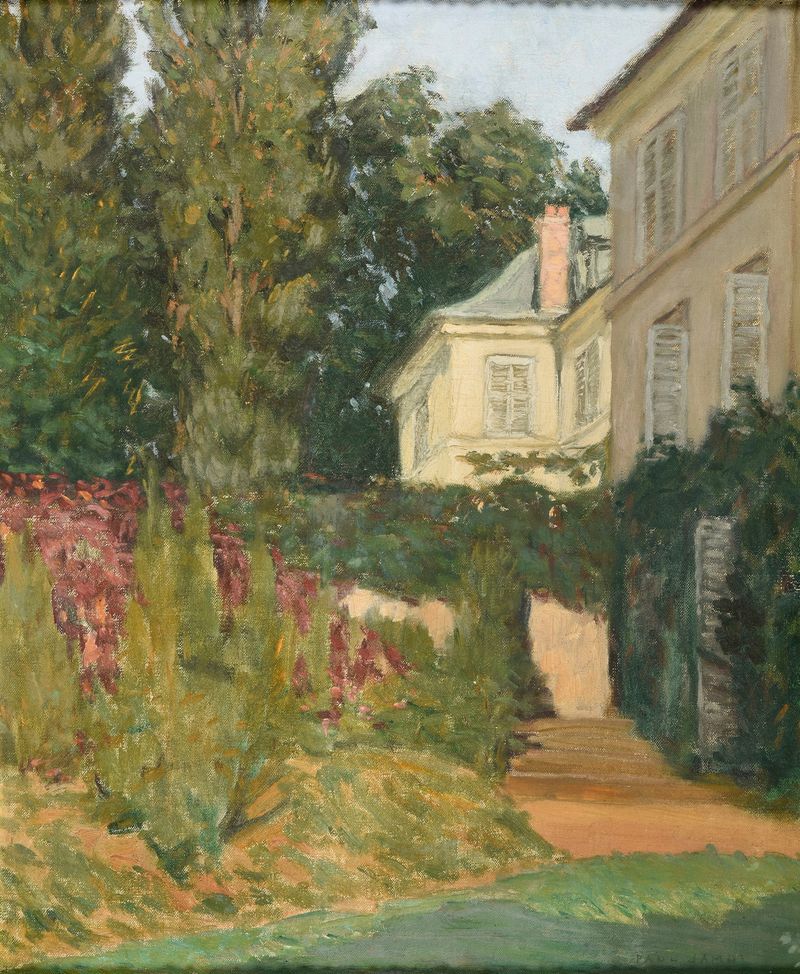
More Architecture Art
Browse all →
The statue of Liberty
Frédéric Auguste Bartholdi

View of Houses in Delft, Known as ‘The Little Street’
Johannes Vermeer

View of Houses in Delft, Known as ‘The Little Street’
Johannes Vermeer

The Cathedral in Rouen. The portal, Grey Weather
Claude Monet

The yellow house
Vincent van Gogh

The Church in Auvers-sur-Oise, View from the Chevet
Vincent van Gogh