Les Terrasses de Bièvres — History & Facts
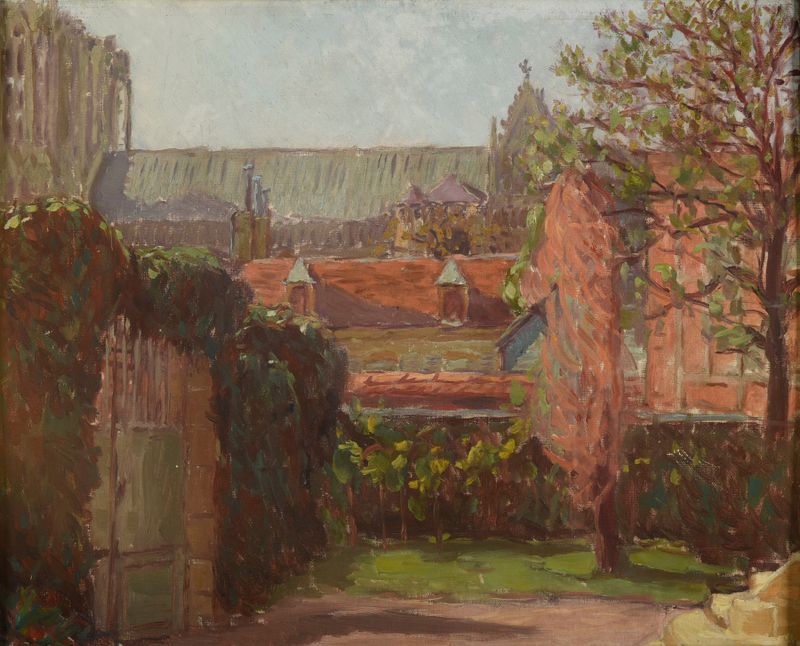
In the interplay of light and shadow, a world emerges where the ordinary transforms into the profound, inviting us to linger in its depths. Look to the upper left at the delicate interplay of warm yellows and soft blues, where the rooftops gently cradle the fading sunlight. Notice how the artist employs subtle brushstrokes to create textures that suggest the roughness of stone and the softness of foliage, drawing the viewer’s eyes across the canvas. The composition, with its tranquil horizontal lines, evokes a sense of serenity, allowing the vibrant colors to resonate without overwhelming the senses. As you draw closer, an intricate tapestry of contrasts unfolds; shadows cradle the buildings, hinting at untold stories of the inhabitants within.
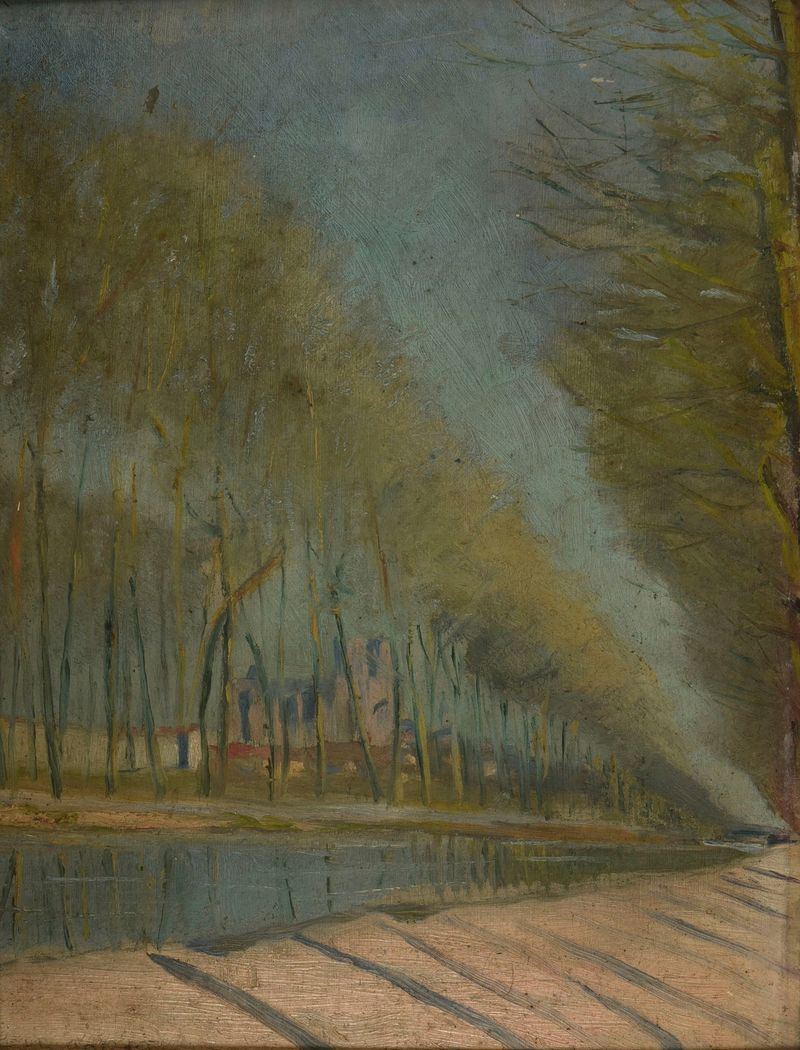
The stillness of the scene is juxtaposed with the vibrant colors of the trees and sky, symbolizing the coexistence of life’s vibrancy and the quiet moments often overlooked. This duality invites reflection on the passage of time, suggesting that beauty lies in both light and shadow. In 1911, Paul Jamot was immersed in the Parisian art scene, navigating the shifting tides of post-Impressionism and the burgeoning modernist movement. Painting Les Terrasses de Bièvres, he was exploring a personal response to his surroundings, capturing the essence of a landscape that echoed the complexities of his own life—a blend of solitude and connection during a time of artistic upheaval.