
Bouquet de roses — History & Facts
A burst of color greets the viewer in Bouquet de roses by Achille Laugé, as if a gentle breeze has just swept through the room and scattered the blooms across the canvas. The roses, rendered in loose, dappled brushstrokes, seem to hover in a delicate balance between order and wildness. Each flower leans outward, their stems and leaves radiating from the center, inviting the eye to wander from one blossom to the next.
The palette is soft yet lively—pale pinks, buttery yellows, and deep reds—set against a cool, almost ethereal background that lets the flowers glow. Rather than arranging the bouquet in a strict, symmetrical fashion, Laugé allows the roses to sprawl, capturing the fleeting beauty of flowers just past their peak, still vibrant but already surrendering to time. Painted in the 19th century, this work belongs to a period when artists were captivated by the play of light and color, and still lifes like this one became a field for experimentation and quiet contemplation. In provincial France, such paintings were often created for private homes, offering a touch of nature’s exuberance indoors at a time when the outside world was rapidly changing.
Bouquet de roses is now held in the collection of the Musée de Carcassonne, a fitting home for a painting that celebrates both the cultivated garden and the painter’s hand. History has kept few traces of the journey of this particular canvas, but its presence today invites you to linger over every petal, every flicker of color, and imagine the world in which it first bloomed.
More Artworks by Achille Laugé

Ruelle au balcon fleuri
Achille Laugé
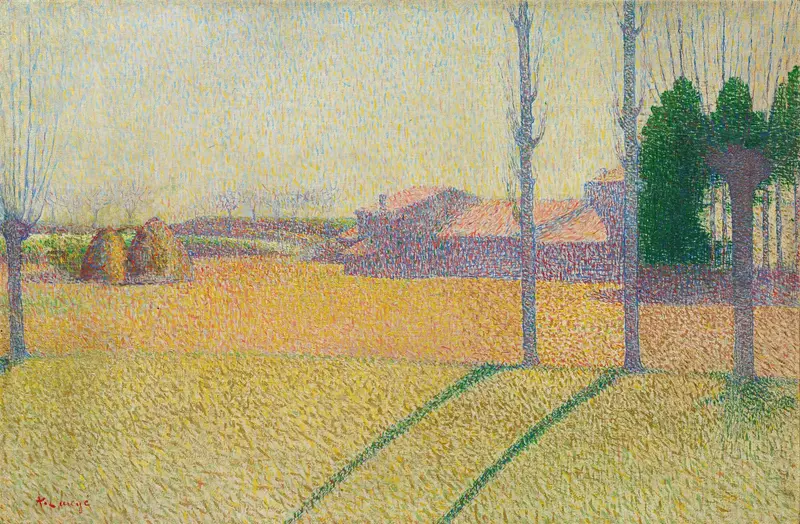
L’hort À Cailhau
Achille Laugé
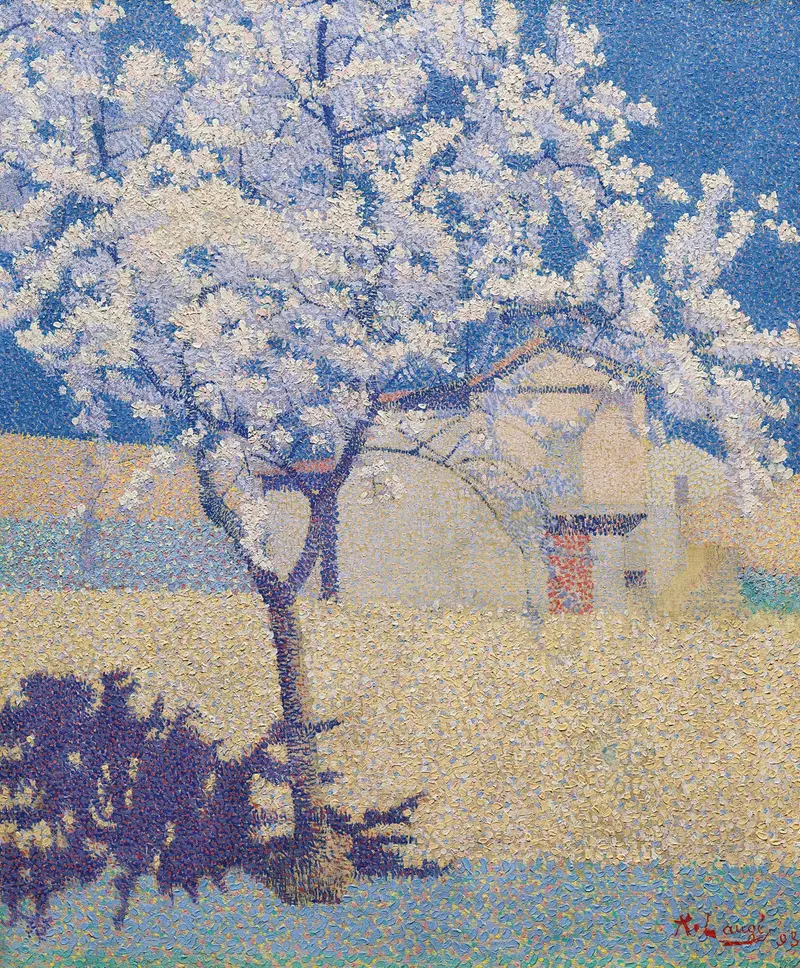
L’Arbre En Fleur
Achille Laugé
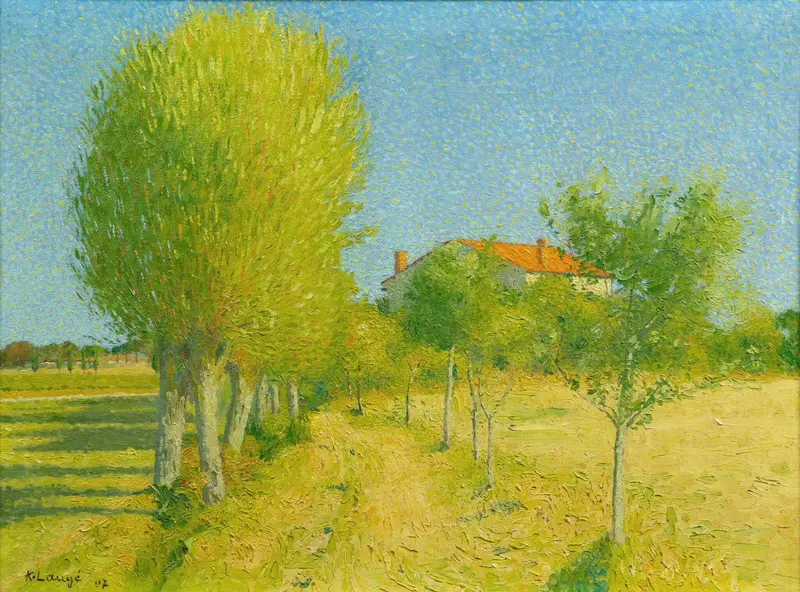
L’allée de saules derrière l’Alouette à Cailhau
Achille Laugé
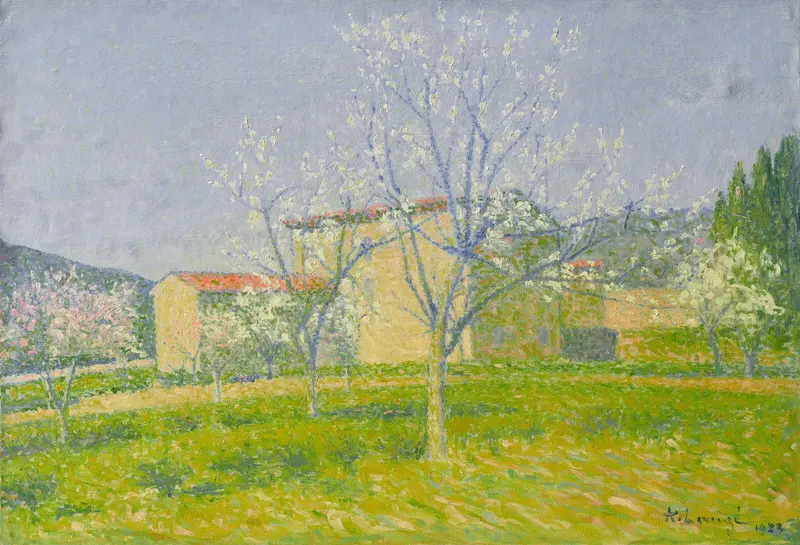
Verger en fleurs à Alet-les-Bains (Aude)
Achille Laugé
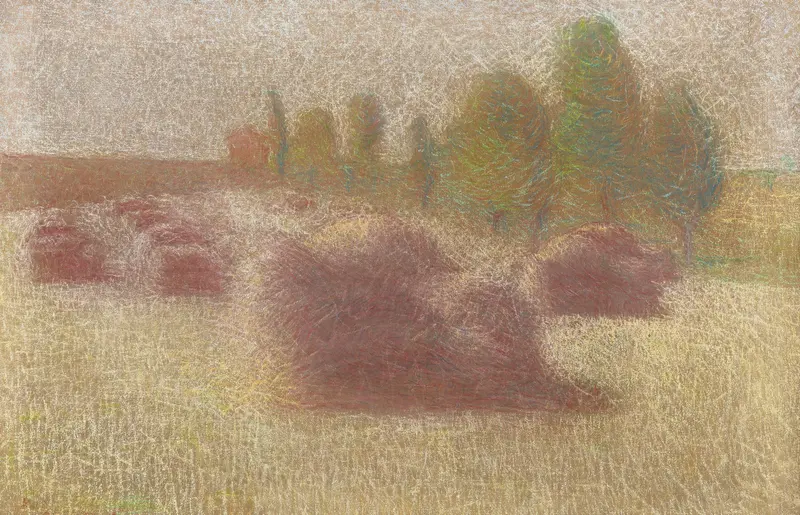
Les Gerbes
Achille Laugé
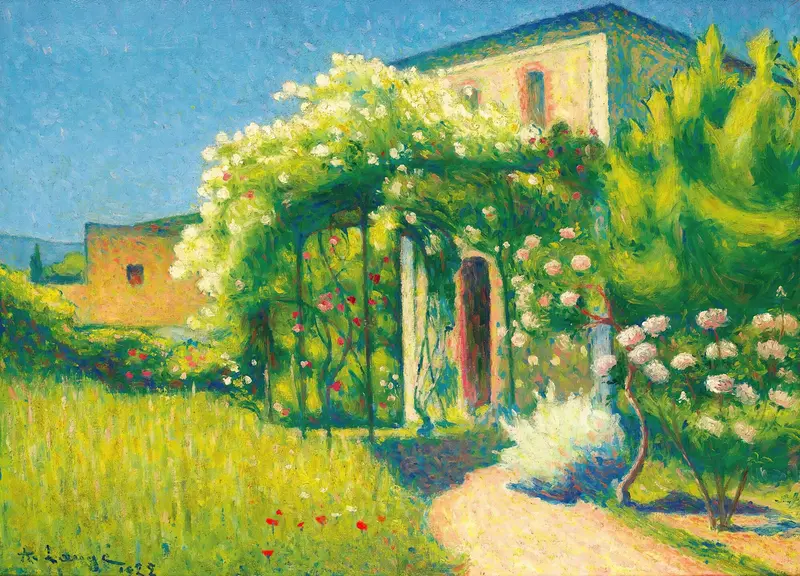
L’Atelier À Alet-Les-Bains
Achille Laugé
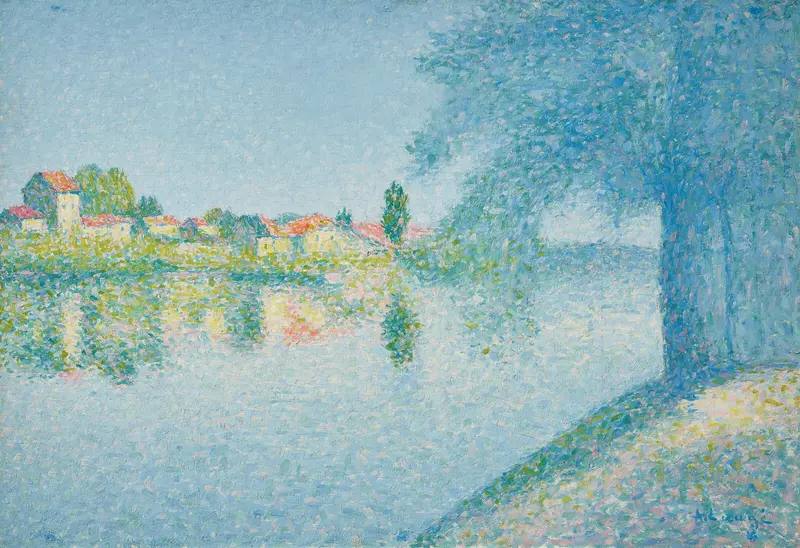
Vue des quais de la Garonne
Achille Laugé
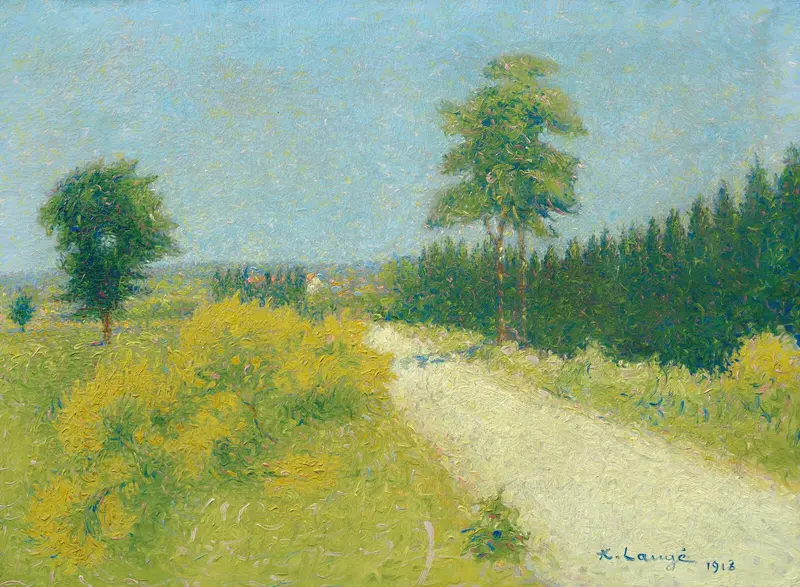
La route de Belvèze vers le relais
Achille Laugé
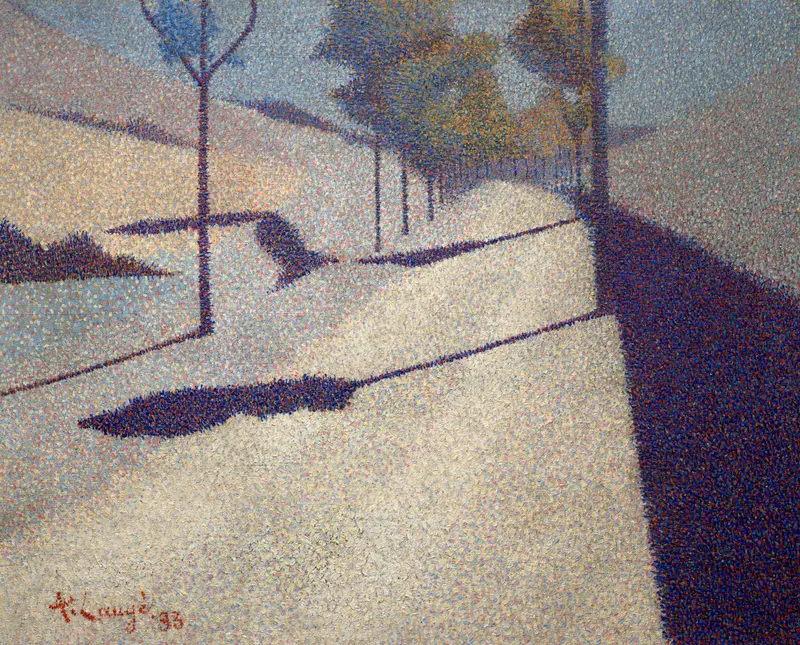
La route (The Road)
Achille Laugé





