
Boy in a red waistcoat — History & Facts
The first thing that catches the eye in Boy in a red waistcoat is the way the light gently brushes the boy’s face, setting his thoughtful gaze aglow against a dark, undistracting background. His parted lips and wide, searching eyes suggest a moment of quiet attention, as if he’s just been called by name or is listening intently to a story only he can hear. The red waistcoat, rendered with broad, textured strokes, stands out boldly against the soft whites and greys of his shirt, drawing the viewer’s focus to the heart of the composition.
Every detail—the tousled blond hair, the slightly rumpled collar, the blush of youth on his cheeks—works together to create an immediacy that feels both intimate and unposed, as if the artist has captured a fleeting moment of childhood introspection. Painted in 1885, this work belongs to a period when artists like Albert Anker were celebrated for their sensitive portrayals of everyday life, especially the world of children. In Switzerland and across Europe, such portraits were often commissioned by families eager to preserve the innocence and individuality of their children before adulthood’s demands set in. History has kept few traces of this specific painting’s early journey, but its appearance at Koller Auktionen in Zürich in 2022 reminds us how these quiet images continue to travel, carrying with them the silent stories of their sitters and makers.
Look again at the boy’s expression: it is not just a likeness, but a window into a vanished world, still alive in paint.
More Artworks by Albert Anker

Portrait Of A Girl
Albert Anker
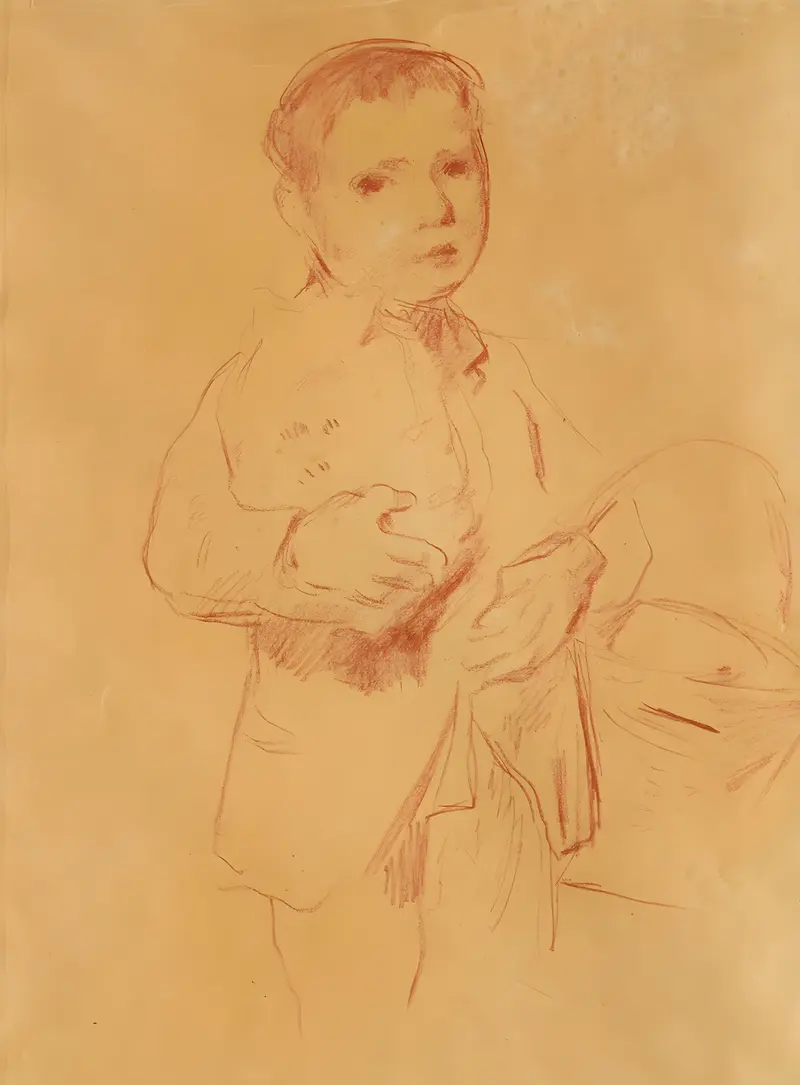
Boy with a basket
Albert Anker
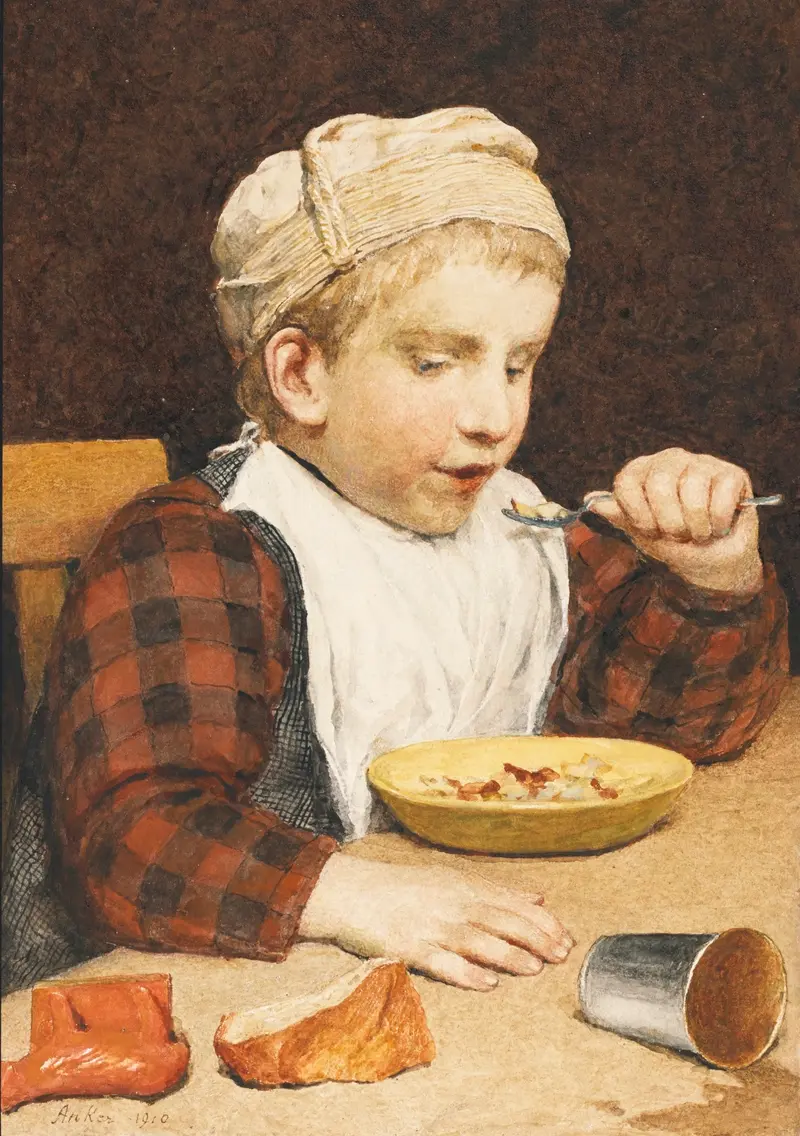
Knabe Mit Mütze Beim Essen
Albert Anker
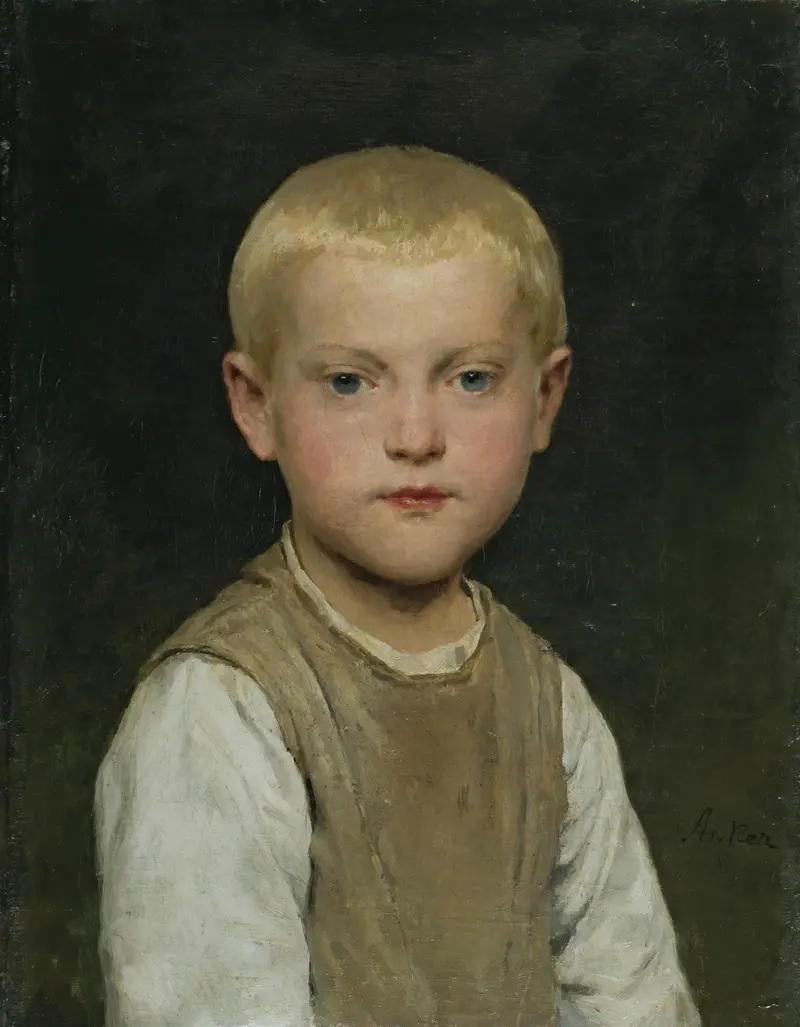
Knabenbildnis (Dr Heiri)
Albert Anker
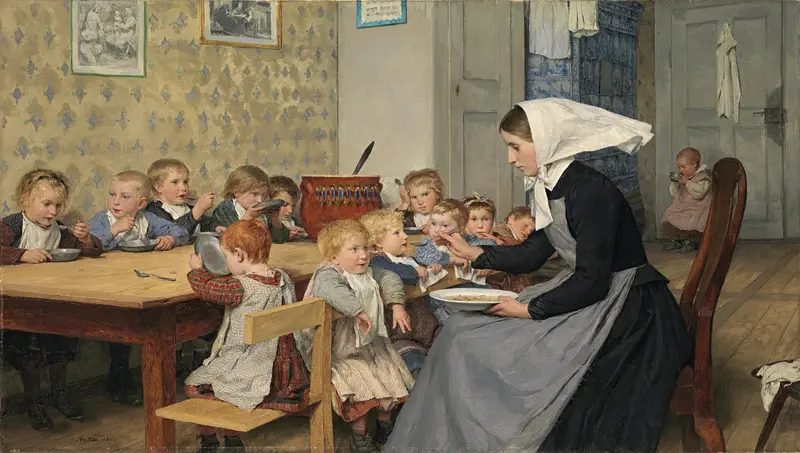
Die Kinderkrippe I
Albert Anker

L’instituteur et le pasteur
Albert Anker
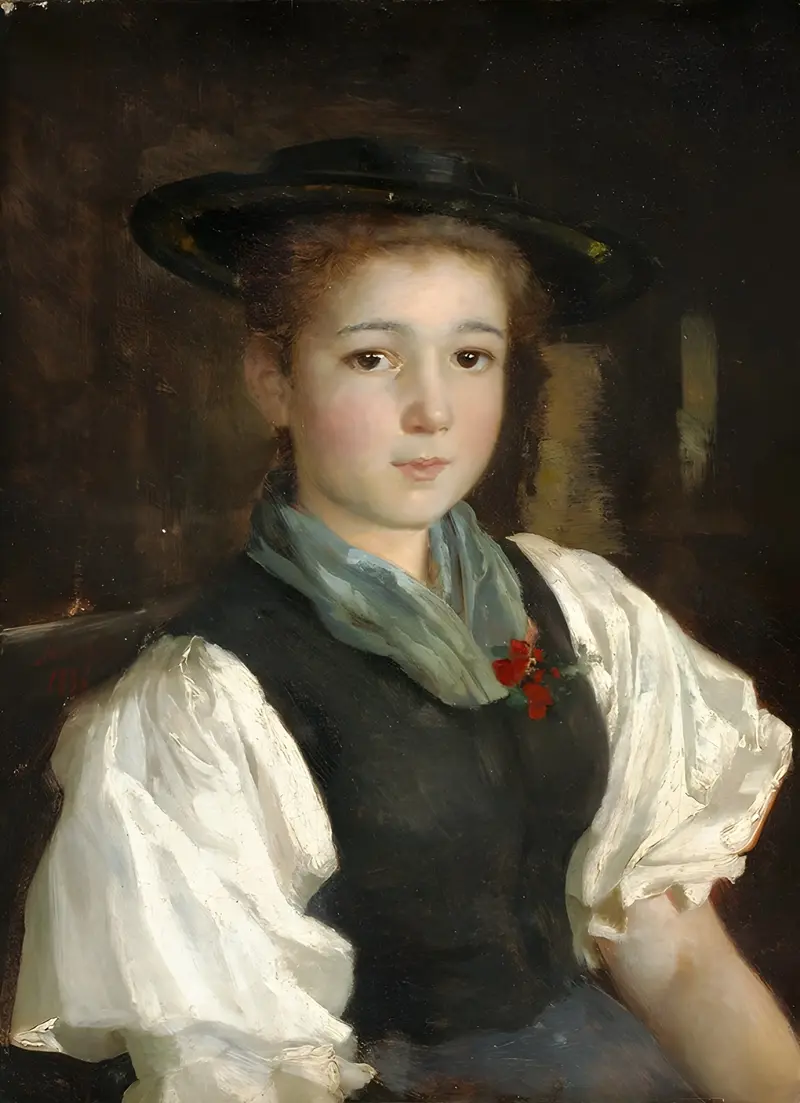
Bauernmädchen (Farm Girl)
Albert Anker
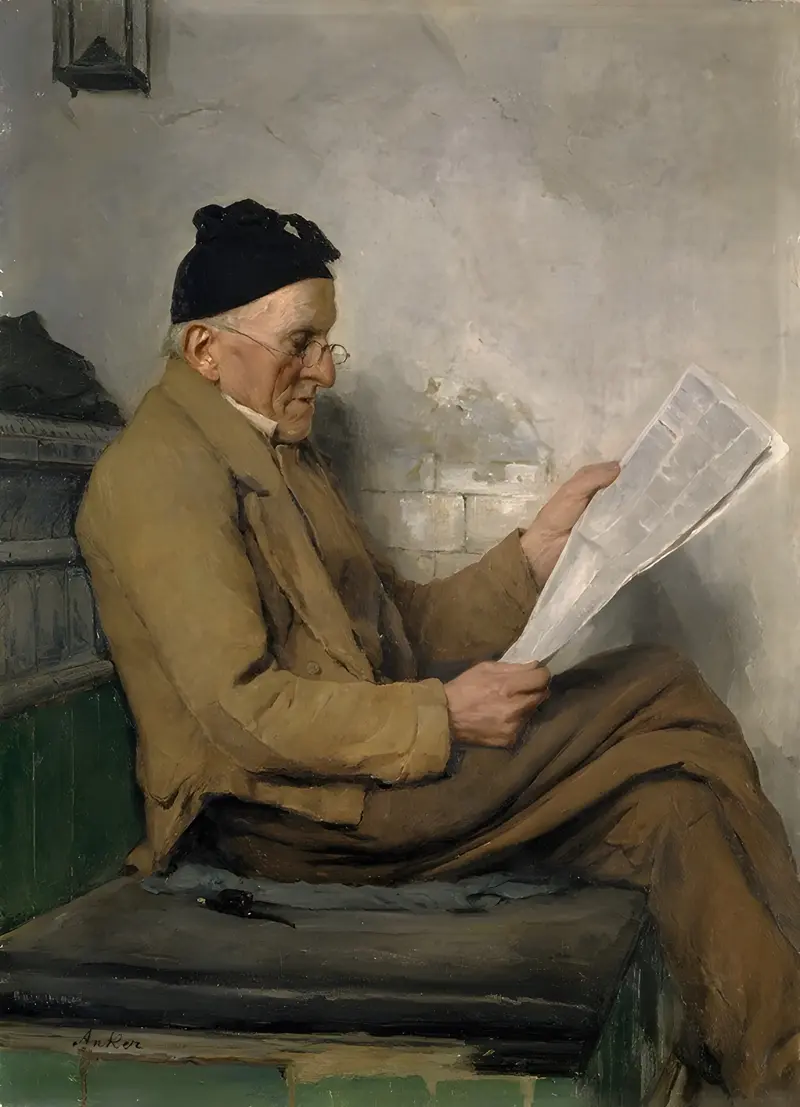
Farmer Reading on the Stove Bench
Albert Anker
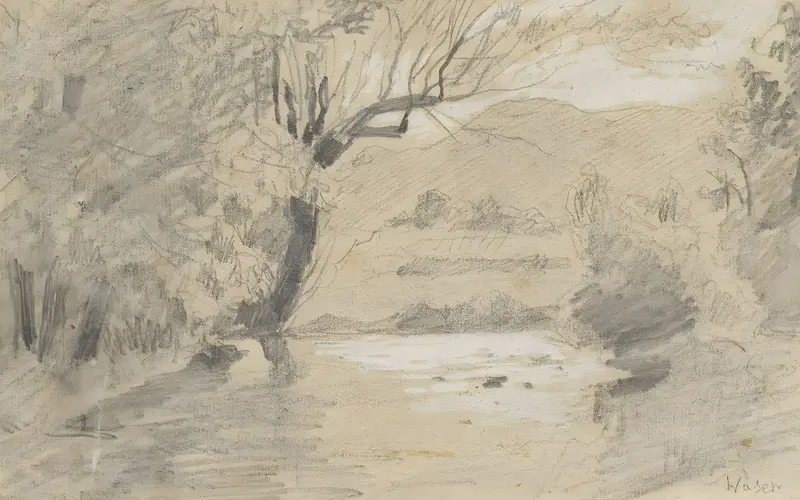
Flusslandschaft in Wasen (Emmental)
Albert Anker
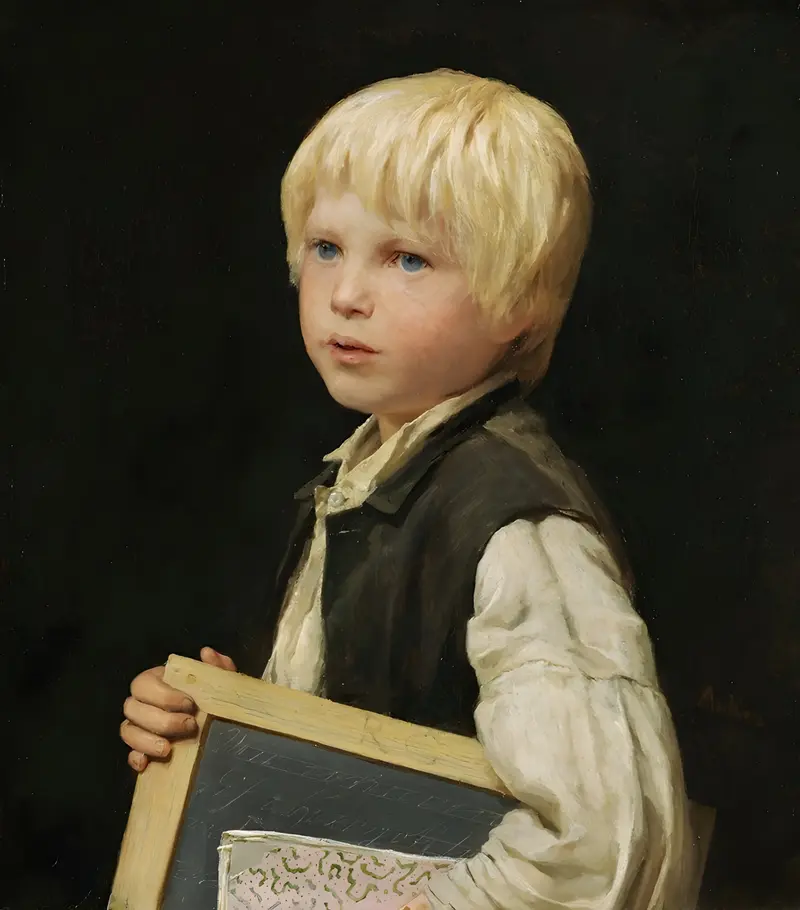
School Boy
Albert Anker





