
Brücke — History & Facts
What if beauty was never meant to be finished? This thought lingers as one gazes upon the ethereal landscape captured in the painting, where the interplay of light and shadow invites contemplation of faith and nature’s impermanence. Focus on the horizon, where the delicate hues of dawn merge seamlessly into the tranquil waters below. The gentle strokes give life to the scene, while the soft blues and greens evoke a serene atmosphere. Notice how the trees frame the composition, their branches reaching out as if to embrace the emerging light.
Each element, meticulously crafted, reflects a harmony that seems almost divine, drawing the viewer deeper into the artist's vision. Beneath the surface, layers of meaning unfurl. The bridge depicted in the painting symbolizes a connection between the earthly realm and the spiritual, suggesting a journey towards understanding and enlightenment. The tranquil water mirrors this transition, capturing the essence of reflection—both literal and metaphorical.
Here, the tension between the solidity of the bridge and the fluidity of the river speaks to the balance between faith and doubt, urging us to consider our own pathways through life’s uncertainties. Created in 1867, this artwork emerged during a time of personal challenge for András Markó, as he navigated the complexities of his career and artistic identity. Living in Austria, he was influenced by the Romantic movement's emphasis on emotion and nature, which informed his approach to landscape painting. In a world where artistic conventions were being challenged, he found solace in depicting the beauty of the natural world, capturing fleeting moments that resonate with timeless themes of faith and beauty.
More Artworks by András Markó
Browse all →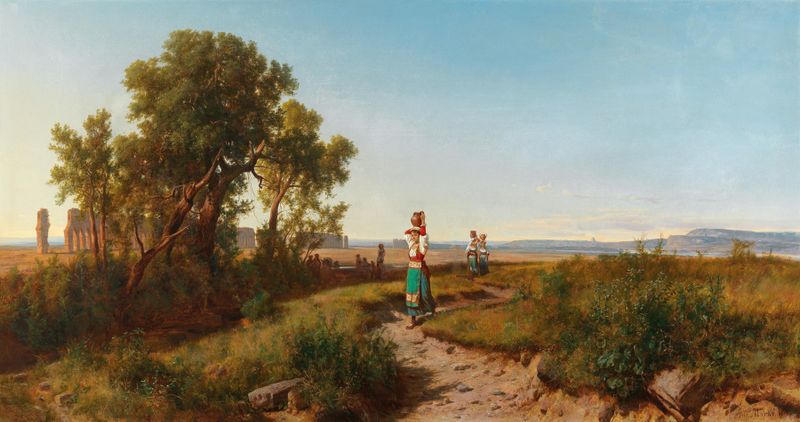
Römisches Aquädukt
András Markó
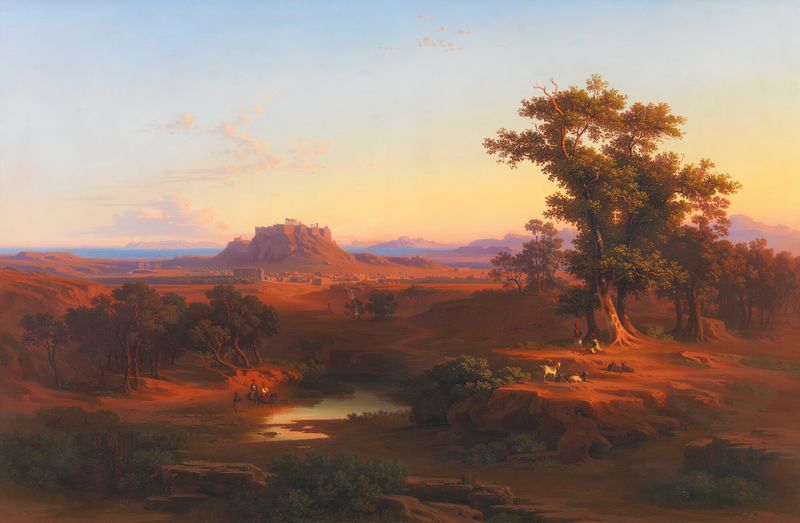
Shepherds In A Bucolic Athenean Landscape With The Acropolis And Piraeus Beyond
András Markó
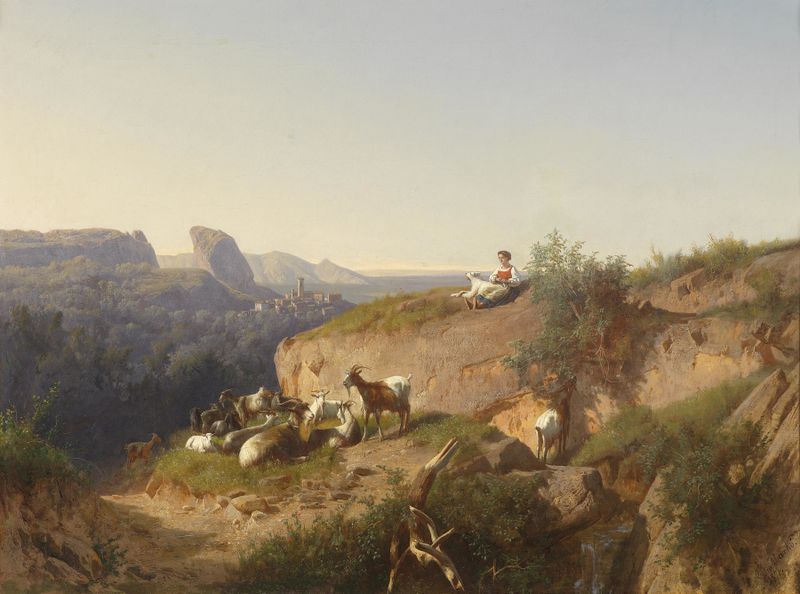
Ziegenhirtin mit Herde
András Markó
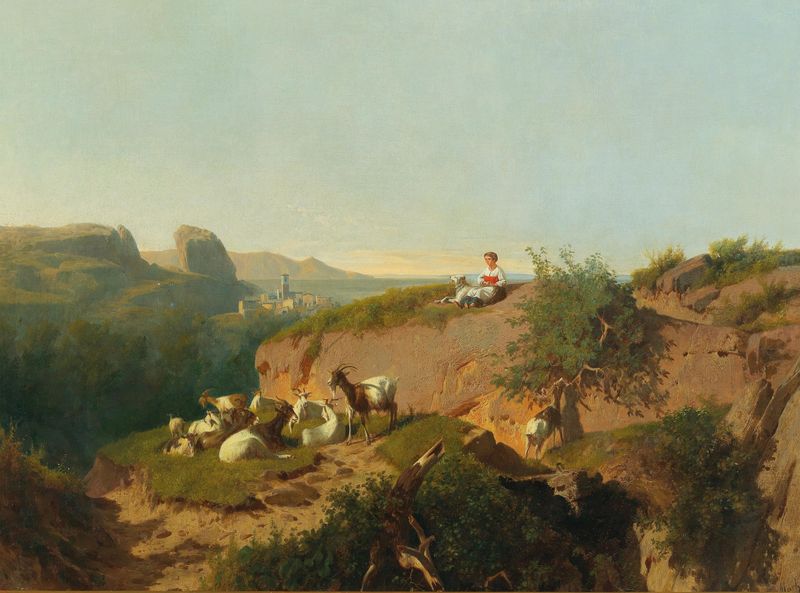
Southern Landscape With Goats And Shepherd
András Markó
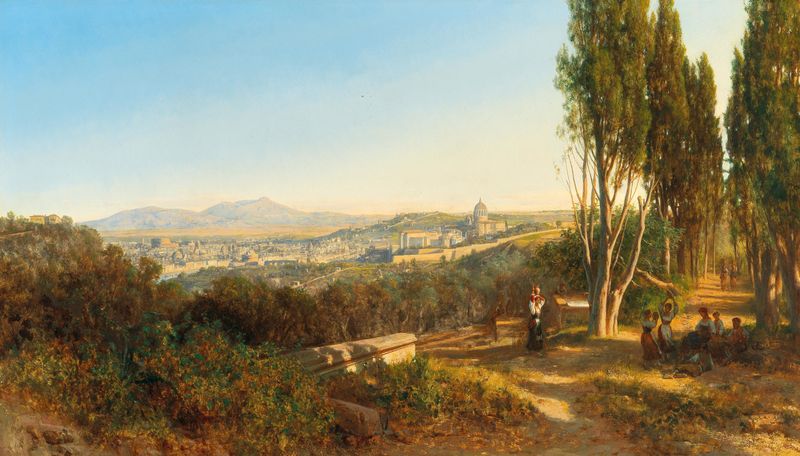
View Of Rome From Villa Madama
András Markó

Mountain Landscape
András Markó

Herding goats on a mountain pass
András Markó

At The Watering Place
András Markó





