
At The Watering Place — History & Facts
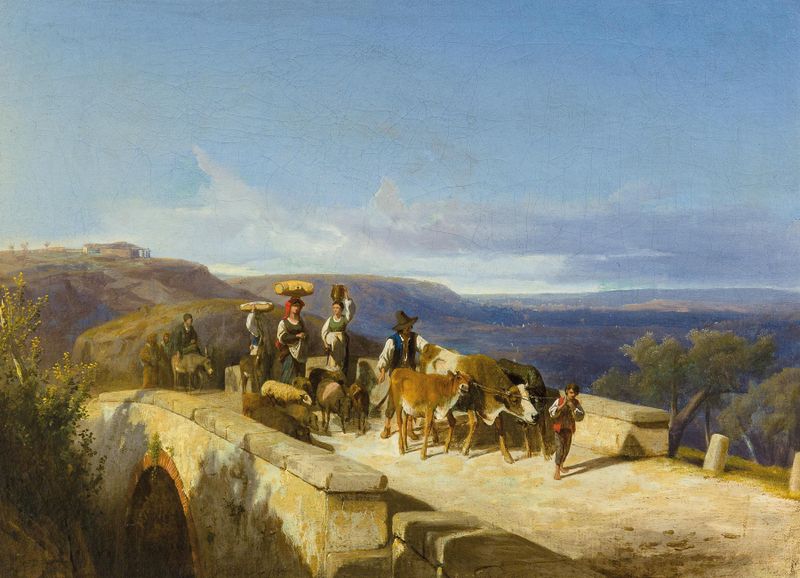
In the intimate chaos of brushstrokes, layers of emotion flicker like shadows lurking beneath the surface. It is in this madness that we find clarity, a voice that echoes through the tumult of human experience. Look closely at the figures gathered at the watering place. Notice how the light cascades over the scene, illuminating the faces of both humans and beasts, each a study in tension and connection.
The vibrant palette invites you to engage—brilliant blues contrast with earthy browns, while wisps of verdant green suggest life and vitality. The careful composition draws your eye across the canvas, revealing the relationships formed by proximity and the unspoken stories woven into their gestures. The emotional dynamics are palpable; observe the subtle play between harmony and discord. A child’s innocent gaze meets the weary eyes of an elder, encapsulating the stark juxtaposition of youth and experience.
Each figure carries a history, weightily suggesting the shared burdens of existence. This complexity invites the viewer to ponder the madness of life itself—a cycle of hope, despair, and the relentless quest for nourishment, both physical and spiritual. Created during a time of personal reflection, András Markó painted this work amidst the swirling currents of 19th-century Hungarian art. His life was marked by both struggle and achievement, wrestling with his place in a burgeoning artistic community.
In this era of transition, his artistry sought to capture the everyday lives of peasants, grounding their stories in emotional depth and social relevance, forever drawing us into that profound dialogue of humanity.
More Artworks by András Markó
Browse all →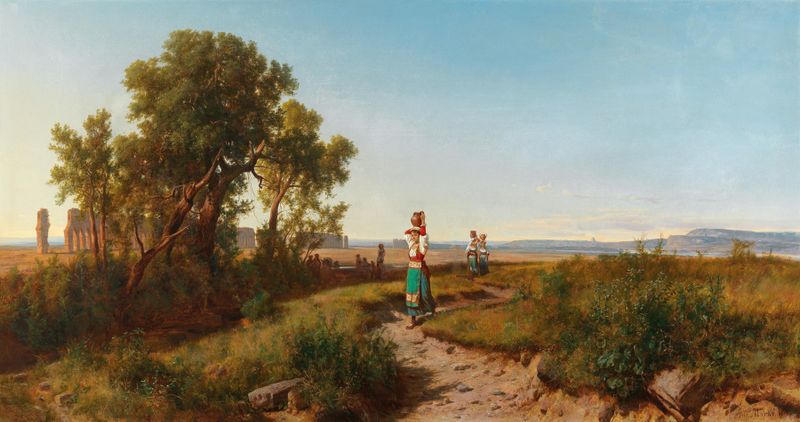
Römisches Aquädukt
András Markó

Shepherds In A Bucolic Athenean Landscape With The Acropolis And Piraeus Beyond
András Markó
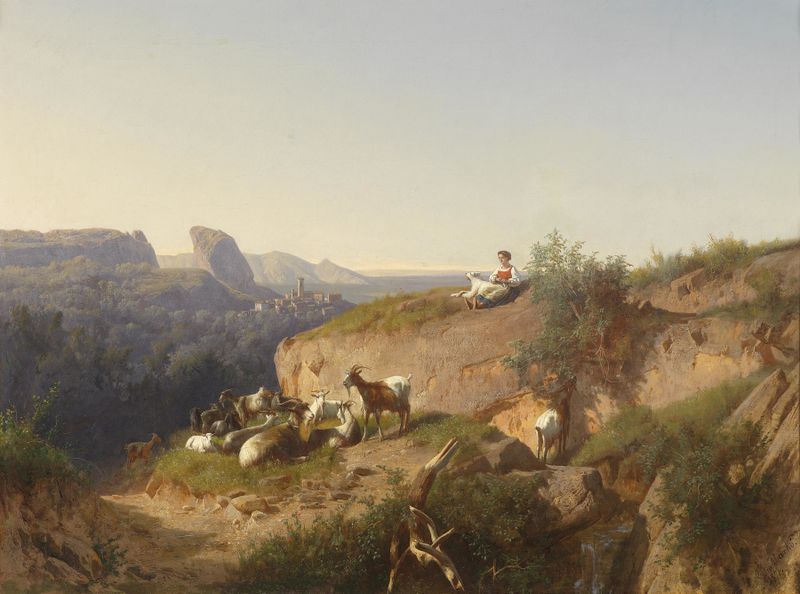
Ziegenhirtin mit Herde
András Markó
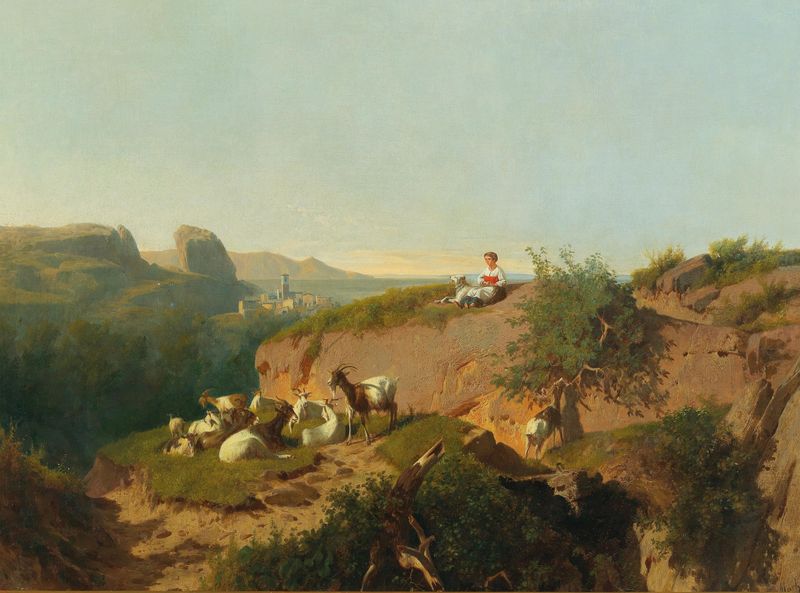
Southern Landscape With Goats And Shepherd
András Markó
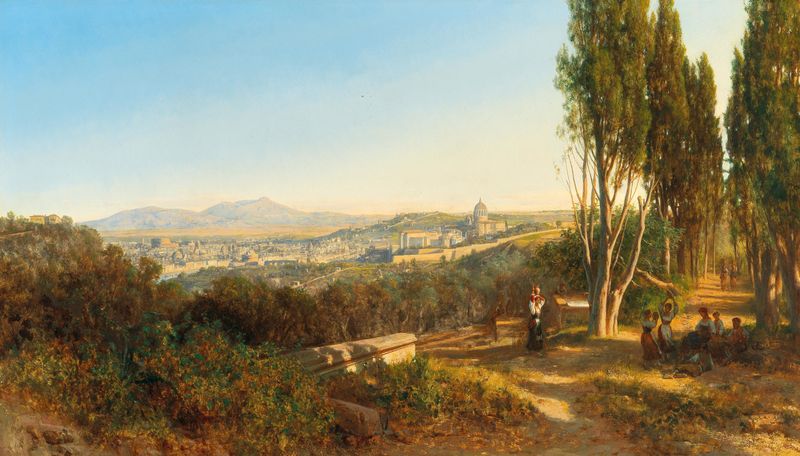
View Of Rome From Villa Madama
András Markó

Mountain Landscape
András Markó

Herding goats on a mountain pass
András Markó
Brücke
András Markó





