Shepherds In A Bucolic Athenean Landscape With The Acropolis And Piraeus Beyond — History & Facts
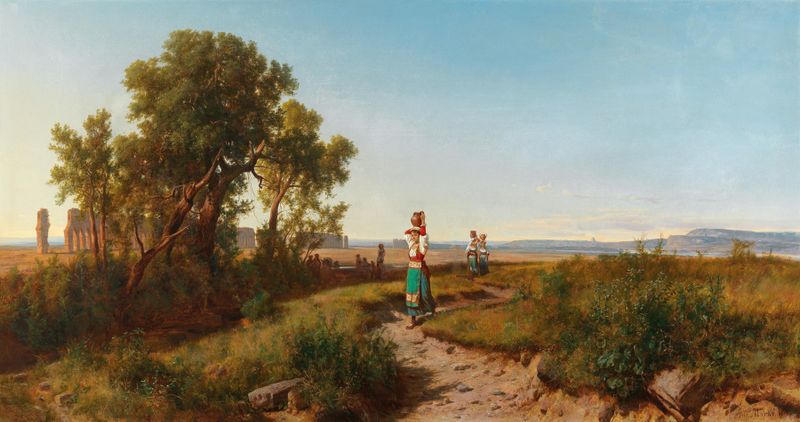
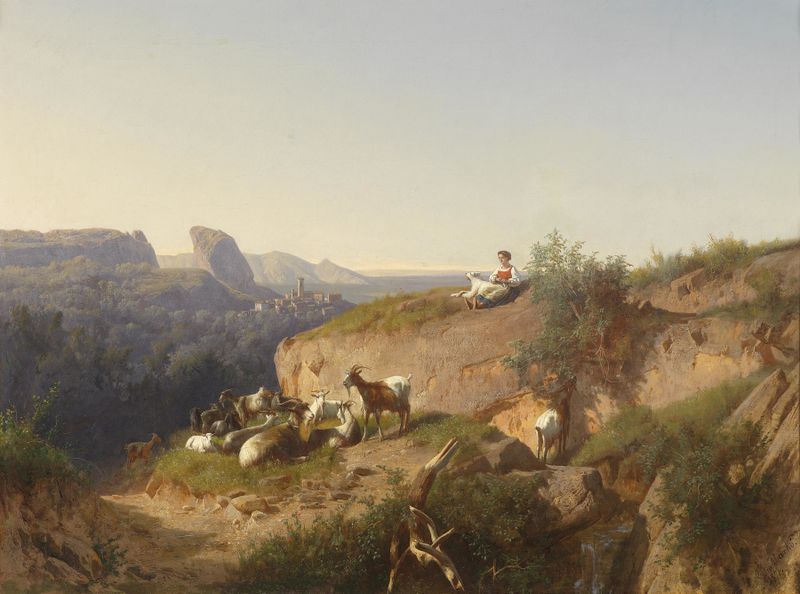
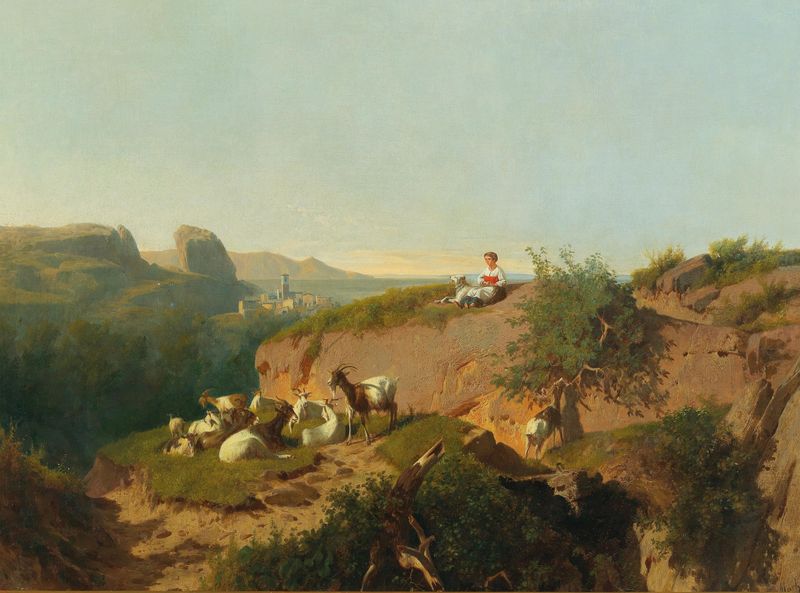
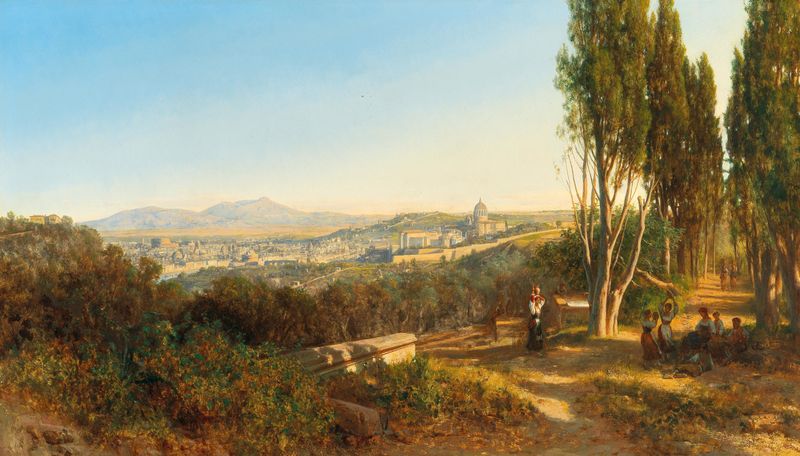
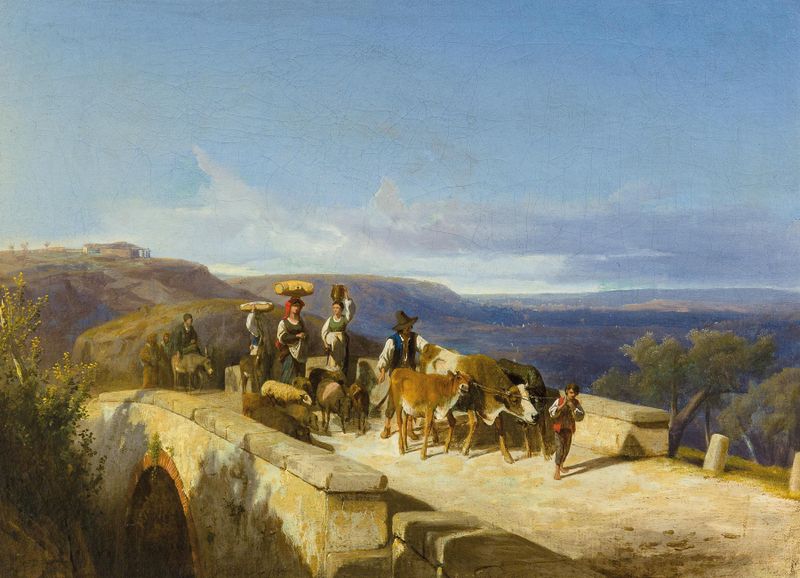
In the heart of András Markó’s Shepherds In A Bucolic Athenian Landscape With The Acropolis And Piraeus Beyond, a quiet yearning unfolds. It speaks to the desire for connection with both the land and one’s origins, echoing a timeless bond between humanity and its roots. Look to the left where the shepherds stand, their figures draped in soft earth tones that harmonize with the lush greens and golden hues of the landscape. Notice how the light dances across the rolling hills, illuminating the Acropolis in the distance, a silent guardian of history.
The delicate brushwork captures the gentle sway of the grass and the tranquil flow of the river, inviting the viewer to step into this serene tableau and breathe in the pastoral calm. As you absorb the scene, consider the emotional contrasts between the robust vitality of nature and the fleeting moments of human life. The shepherds, seemingly content, are juxtaposed against the monumental Acropolis, signifying the weight of history and the passage of time. This duality—between the simplicity of pastoral life and the complexity of civilization—reflects a deeper yearning for permanence in an ever-changing world. Markó painted this work in 1868 while living in Hungary, far from the Greek landscapes that inspired him.
During this period, he sought to capture the essence of his travels, which coincided with a broader artistic movement focused on romanticizing nature and history. The painting embodies his longing for a connection to classic beauty, represented through the lens of his own experiences as a traveler and artist.