Brockley Coombe, near Bristol — History & Facts
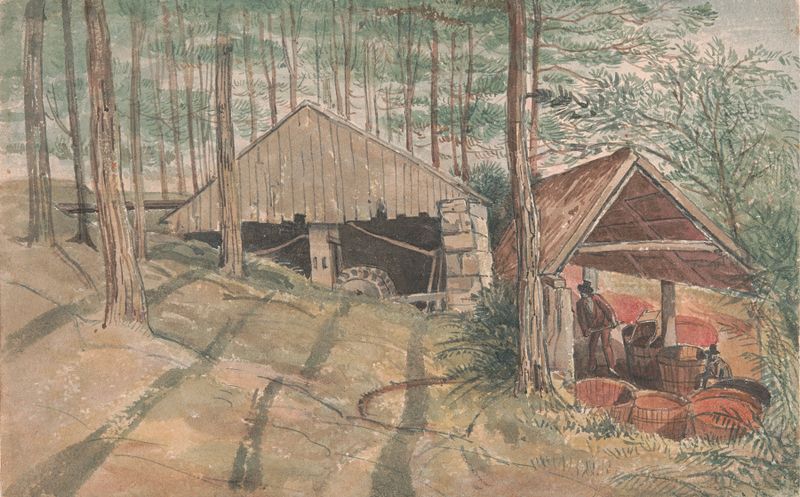
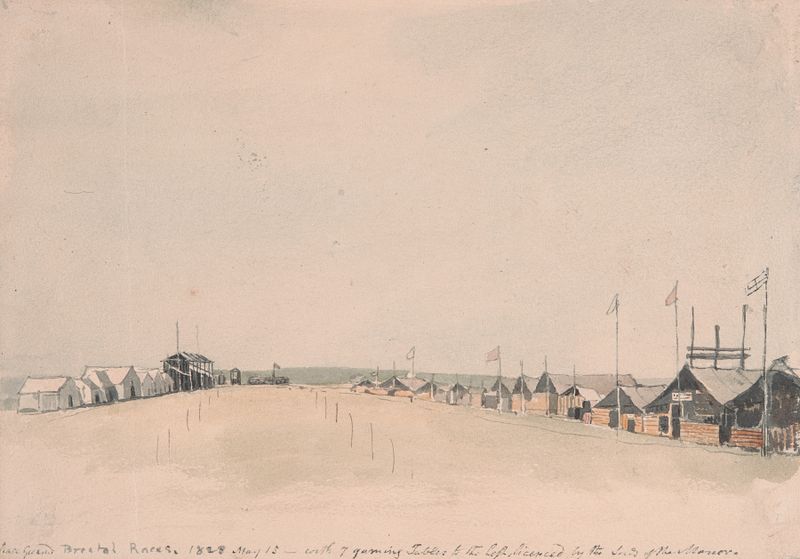
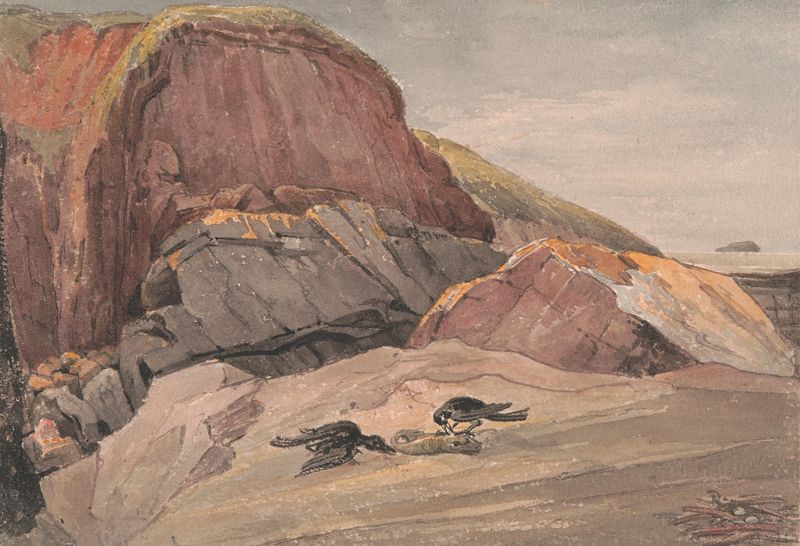
In the quiet embrace of nature, beauty unfolds in whispers, inviting us to listen closely to its serene secrets. Look to the left at the undulating hills, their soft contours painted in lush greens and muted earth tones that sway gently under the tender light. Notice how the sunlight filters through the leaves, casting a dappled effect on the tranquil water below, reflecting the world above like a mirror to the soul. The composition, framed with a natural archway of branches, draws your eye towards the horizon, where the sky and land meld seamlessly—an invitation into a harmonious landscape. Deeper insights emerge in the contrast between the vibrant foliage and the stillness of the water.
Here, life thrives, yet it is underlined by moments of pause, a mirror of our own existence. The interplay of light and shadow epitomizes a fleeting beauty, hinting at the transient nature of life itself. Each element, from the intricately detailed leaves to the distant hills, speaks to the artist’s reverence for the natural world and his ability to capture its essence. George Cumberland painted this work in the early 19th century, during a time when the Romantic movement was gaining momentum.
Living in Bristol and immersed in the artistic dialogue of his time, he sought to convey the sublime beauty of the English landscape, responding to a growing desire to connect with nature. This piece reflects his dedication to exploring the emotional resonance of the world around him, serving as both a personal reflection and a cultural statement of his era.