The Race Course at Bristol — History & Facts
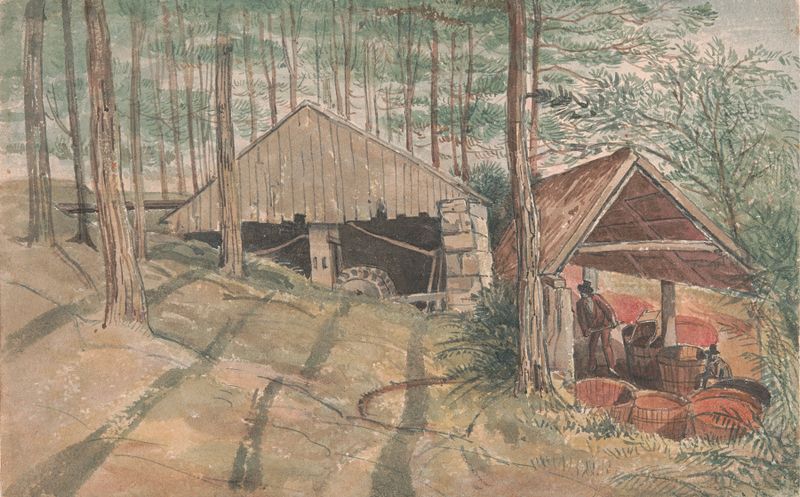
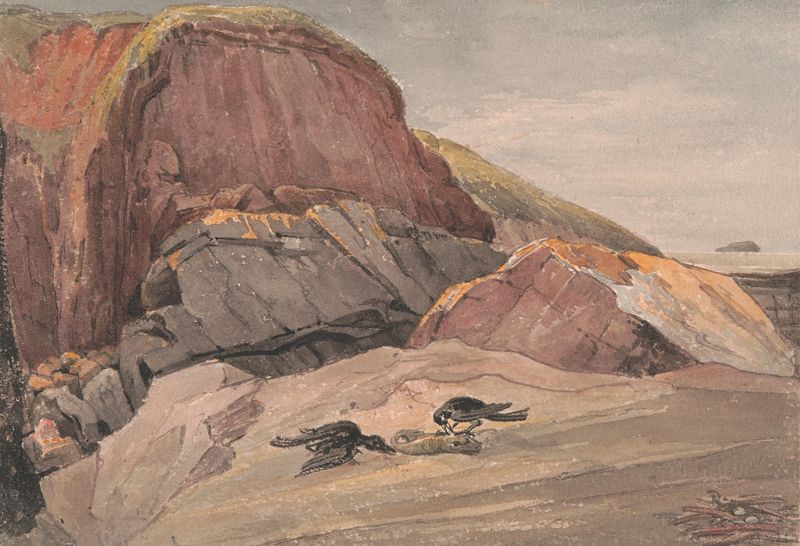
What secret hides in the quiet of the canvas? In the stillness of The Race Course at Bristol, a sense of fragility whispers through the vibrant colors and delicate brushwork. Look to the center of the composition, where the graceful curves of the racecourse unfold like a ribbon. Bright patches of green denote the lush landscape, contrasting with the muted tones of the distant spectators. Notice how the artist skillfully captures the play of light, illuminating the scene while shadows linger in the periphery, hinting at the fleeting nature of time.
It’s an invitation to explore the subtleties, to feel the anticipation and tension that a race might evoke, even in its absence. Beneath the surface, the work reveals deeper emotional undertones. The sparse presence of figures—some appearing almost ghostly—suggests a moment suspended between excitement and solitude. The expansive sky looms overhead, embodying the possibility of hope and despair simultaneously, a reminder of the fragile balance between victory and loss.
Each brushstroke conveys not just the physical landscape, but a palpable sense of yearning that resonates with the viewer and echoes the spirit of competition. Created during a period of burgeoning artistic exploration in England, this piece reflects Cumberland's engagement with both traditional landscape painting and emerging themes of human experience. While the exact date remains uncertain, it aligns with a time when artists were beginning to delve into the emotional landscape of their environments, often seeking to capture not only the visible but also the unseen narratives that dwell within.