
Bronx, 144 St. — History & Facts
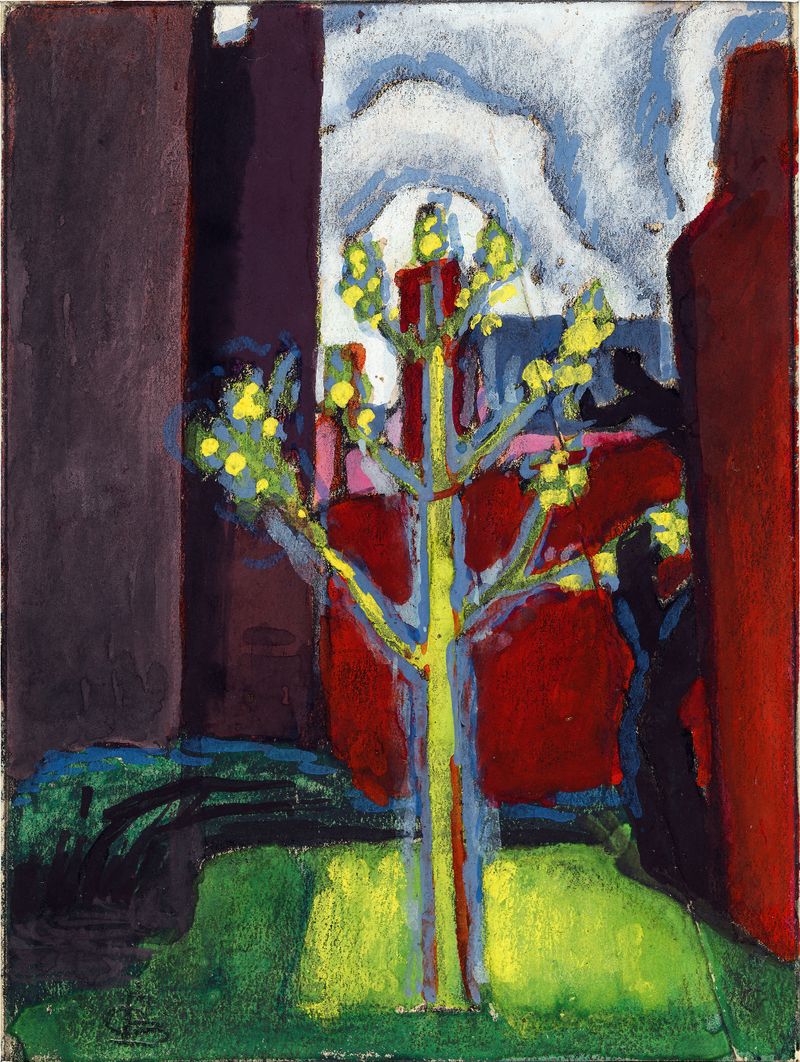
In the muted tones of decay, one can sense the whispers of stories untold, where vibrant life once thrived. Focus on the left side of the canvas; there stands a rugged building, its weathered façade a testament to time’s relentless passage. The interplay of shadow and light wraps the scene in a soft embrace, revealing the intricate textures of peeling paint and crumbling brick. Notice how the artist employs a palette of earthy hues—ochres, deep browns, and touches of green—to evoke a sense of nostalgia and loss, drawing the viewer into a world that speaks both of resilience and decline. Hidden within this urban landscape are echoes of a vibrant community now shadowed by time.
The stark contrast between the vibrancy of the colors and the somberness of the structures reflects the state of a neighborhood grappling with change. Each brushstroke captures a moment of stillness, allowing the viewer to feel the weight of history pressing against the present, as the remnants of life linger in the once-bustling streets. Created in 1913, this work emerged during a pivotal moment for Oscar Bluemner, as he sought to merge his passion for architecture with emotional depth in painting. Living in New York City, he was deeply influenced by the dynamic urban landscape and the transformations it underwent.
This period marked a shift in his artistic vision, moving towards an expressive use of color and form to articulate the essence of place and memory, reflecting the broader changes in the art world at the time.
More Artworks by Oscar Bluemner
Browse all →
More Architecture Art
Browse all →
The statue of Liberty
Frédéric Auguste Bartholdi

View of Houses in Delft, Known as ‘The Little Street’
Johannes Vermeer

View of Houses in Delft, Known as ‘The Little Street’
Johannes Vermeer

The Cathedral in Rouen. The portal, Grey Weather
Claude Monet

The yellow house
Vincent van Gogh

The Church in Auvers-sur-Oise, View from the Chevet
Vincent van Gogh