
Brougham Castle — History & Facts
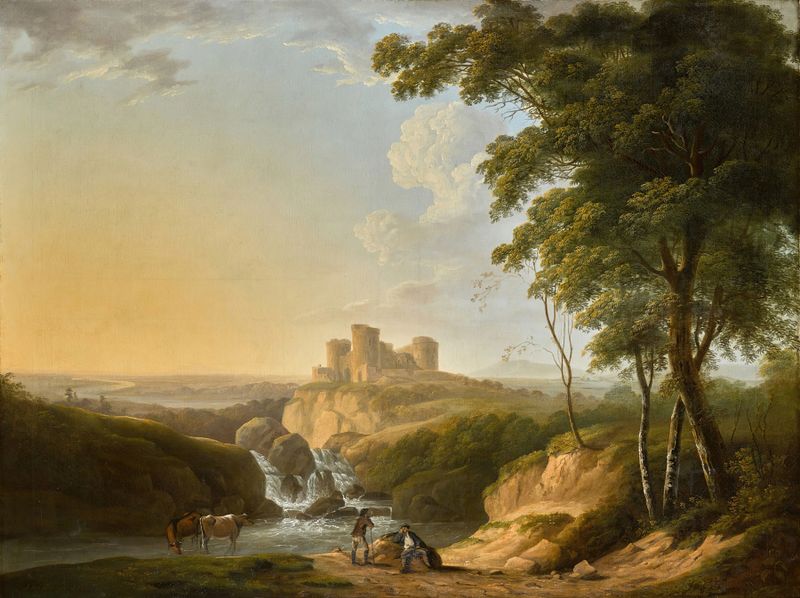
What if beauty was never meant to be finished? In Brougham Castle, a world of illusion unfolds, inviting the viewer to ponder the layers of reality and artifice. Focus your gaze on the castle, its robust stone walls standing resolute against a vast, cloud-dappled sky. Notice how the artist captures the light, dappling through the clouds, casting soft shadows that reveal the texture of the stones. The careful arrangement of trees and water enhances the scene, leading your eyes toward the horizon where nature and architecture harmonize, creating an ethereal quality that blurs the line between the real and imagined. Yet, beneath the tranquility lies a deeper tension.
The crumbling walls symbolize both decay and endurance, while the idyllic landscape evokes a sense of nostalgia for a time long past. The juxtaposition of man-made structure against the natural world raises questions about permanence and the passage of time. Each brushstroke speaks to the fleeting nature of beauty, suggesting that the castle, like all things, is a fleeting illusion. Painted in the early 19th century, this work emerged during a time when Richards was deeply influenced by the Romantic movement.
Dwelling in England, he sought to capture the sublime beauty of the British landscape, emphasizing both its grandeur and fragility. This period marked a shift in artistic focus toward emotion and nature, positioning the artist as a vital member of the evolving dialogue in the world of art.
More Artworks by John Inigo Richards
Browse all →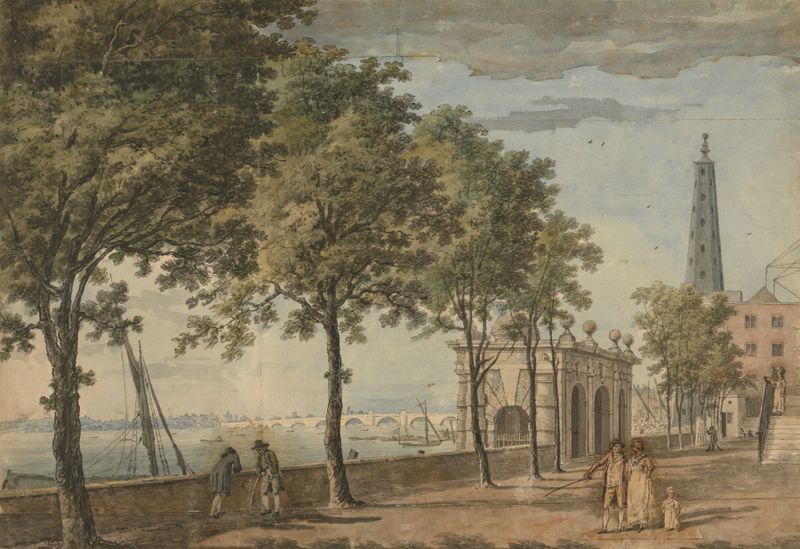
York Watergate and Westminster Bridge
John Inigo Richards
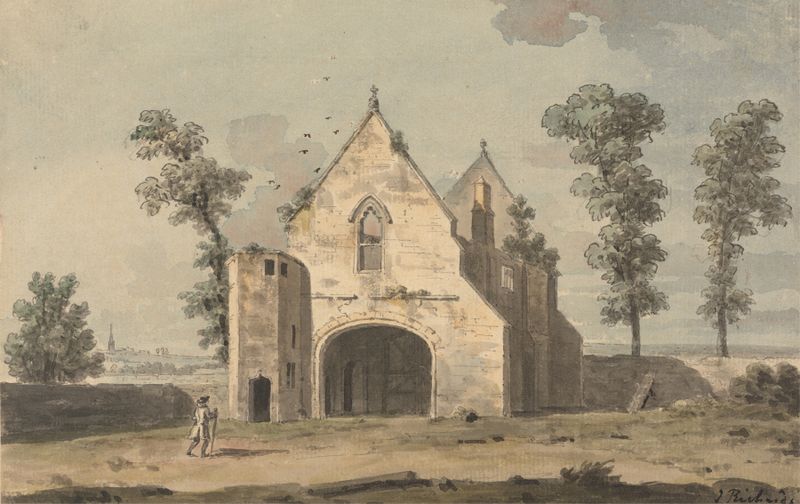
Maxstoke Priory, Warwickshire
John Inigo Richards

Corfe Castle, Dorset
John Inigo Richards
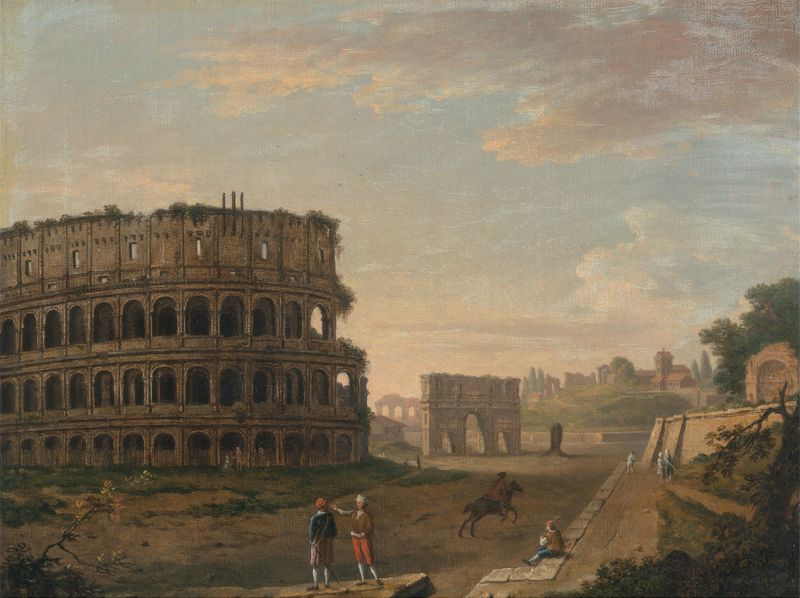
The Colosseum
John Inigo Richards

Chester Castle
John Inigo Richards

A River Landscape, possibly a View from the West End of Rochester Bridge
John Inigo Richards
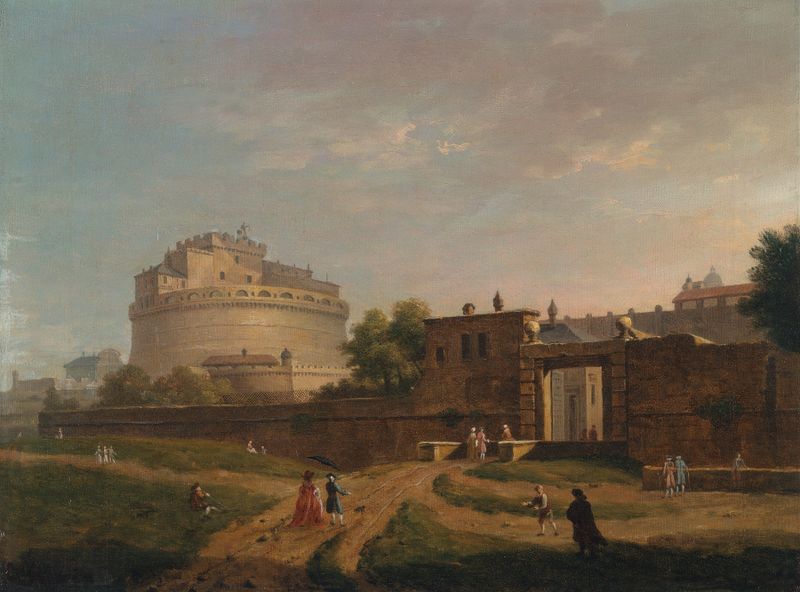
Castel Sant’Angelo, Rome
John Inigo Richards

The Salmon Leap at Leixlip, Ireland
John Inigo Richards

Thornbury Castle, Gloucestershire
John Inigo Richards
An extensive landscape with a view of Chepstow Castle on a hill beyond
John Inigo Richards
More Architecture Art
Browse all →
The statue of Liberty
Frédéric Auguste Bartholdi

View of Houses in Delft, Known as ‘The Little Street’
Johannes Vermeer

View of Houses in Delft, Known as ‘The Little Street’
Johannes Vermeer

The Cathedral in Rouen. The portal, Grey Weather
Claude Monet

The yellow house
Vincent van Gogh

The Church in Auvers-sur-Oise, View from the Chevet
Vincent van Gogh