
Brumes mauves — History & Facts
In Brumes mauves, the air hangs heavy with an unspoken sadness, echoing the weight of emotions too delicate to voice. The muted violet tones envelop the canvas, inviting the viewer into a world where melancholy dances with stillness, evoking a deep sense of introspection. Look to the center where the gentle undulation of the landscape draws the eye, a blend of soft purples and blues that merge effortlessly, creating an ethereal atmosphere. The horizon stretches wide, while wisps of fog weave through the scene, softening the outlines of distant trees.
Notice how the light diffuses, casting a dreamlike quality over the terrain, as if time itself is pausing to reflect on its own passage. The interplay between light and shadow reveals underlying narratives of longing and solitude. As forms fade into the mist, they suggest both presence and absence, hinting at the complexities of perception and memory. Each brushstroke communicates a story, capturing the essence of a moment suspended in time—a haunting reminder that beauty often resides in the ephemeral and the unresolved. Created in 1902, the artist painted this work during a period characterized by a burgeoning interest in symbolism and impressionism.
Living in Paris, Clavel was influenced by the shifting artistic landscape, seeking to express emotions through color and form rather than mere representation. This painting reflects not only a personal exploration of melancholy but also an era where artists were beginning to delve deeper into the psychological aspects of their work.
More Artworks by Marie-Joseph-Leon Clavel (Iwill)
Browse all →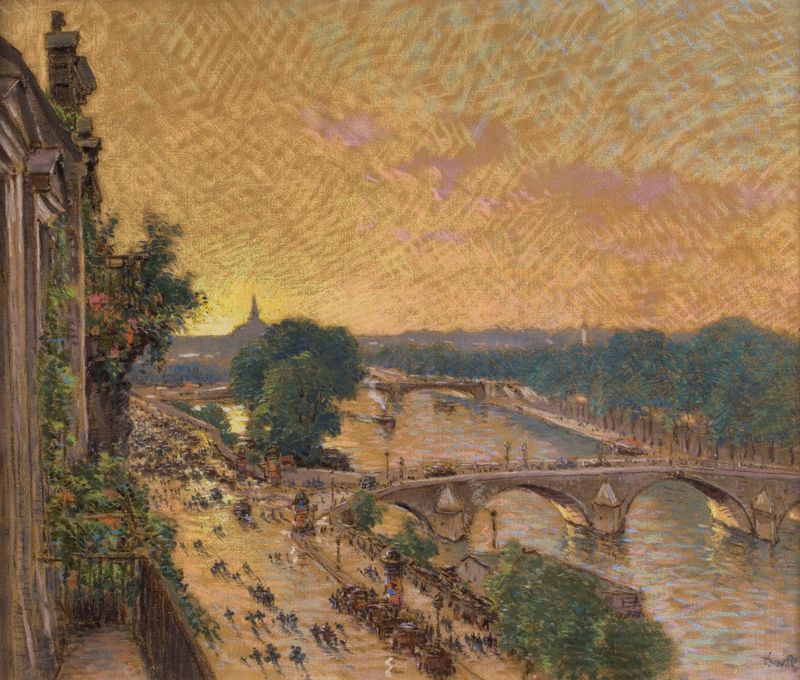
Septembre 1914 vers la gare d’Orsay
Marie-Joseph-Leon Clavel (Iwill)
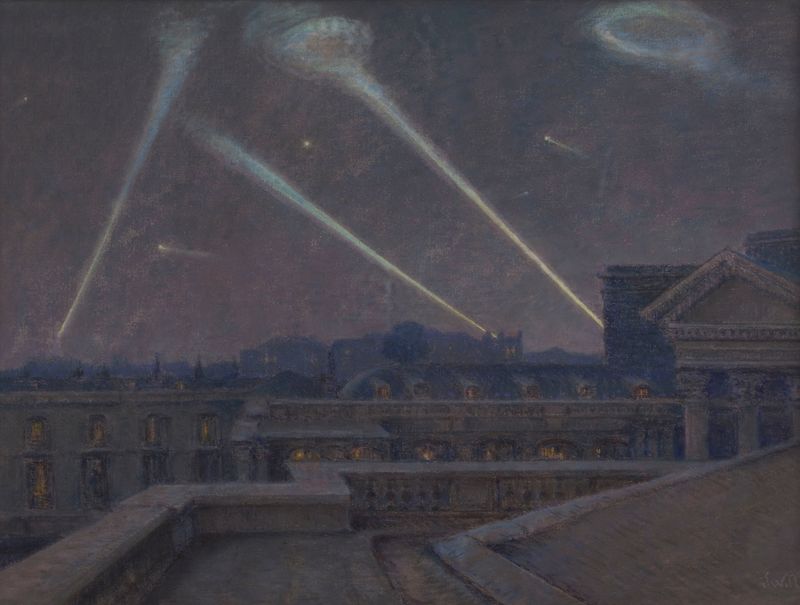
Sur les terrasses du Palais Bourbon, nuit du 29 janvier 1916, zeppelins
Marie-Joseph-Leon Clavel (Iwill)
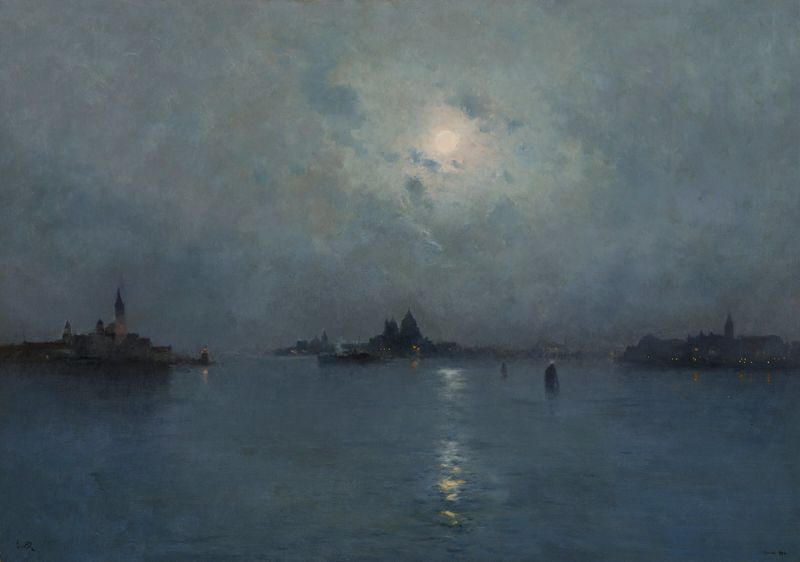
Venice
Marie-Joseph-Leon Clavel (Iwill)
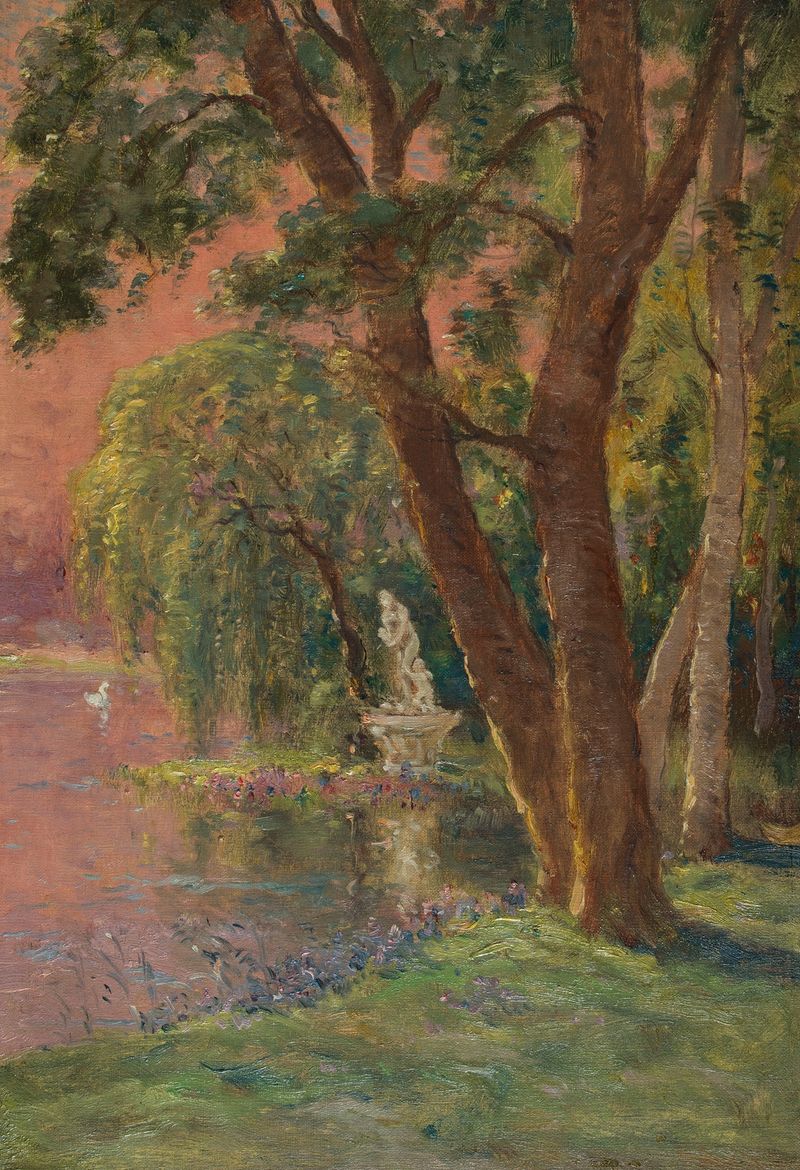
Le lac d’amour – le lever du soleil – la statue de Vénus et Cupidon
Marie-Joseph-Leon Clavel (Iwill)
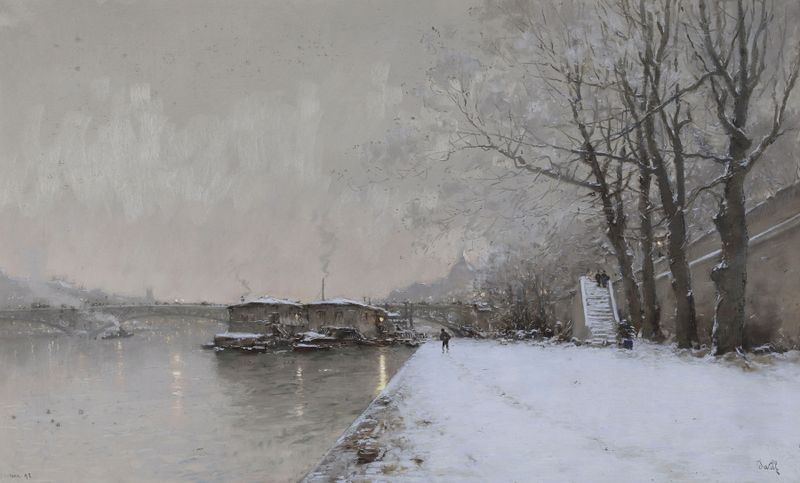
Effet de neige
Marie-Joseph-Leon Clavel (Iwill)
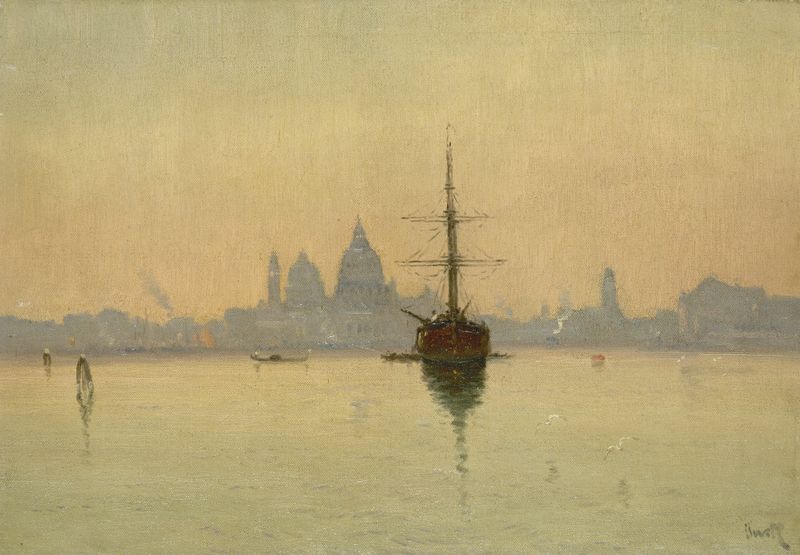
Venise
Marie-Joseph-Leon Clavel (Iwill)
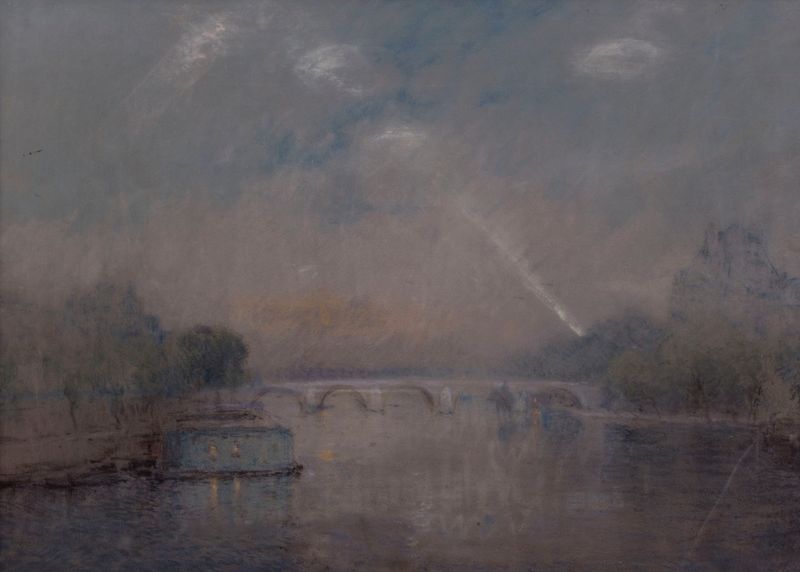
Tandis que Paris dormait – à la recherche des tauben
Marie-Joseph-Leon Clavel (Iwill)
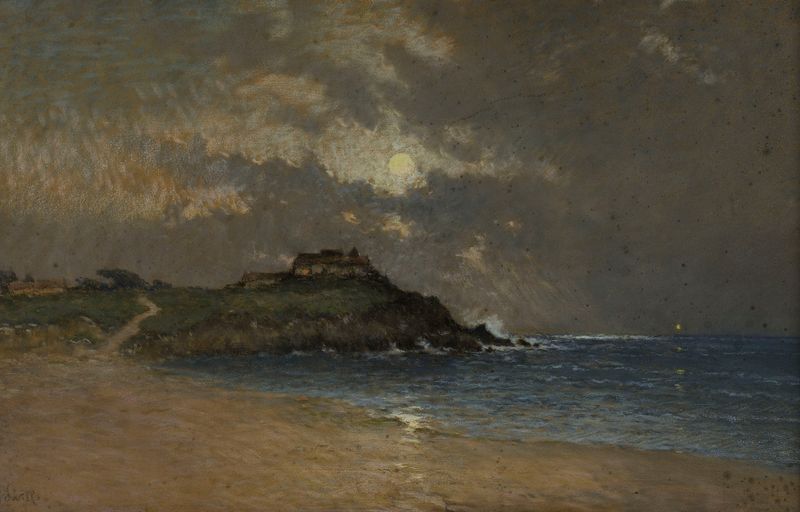
La grande côte à Royan
Marie-Joseph-Leon Clavel (Iwill)
Solitude, le soir; Morsalines (Manche)
Marie-Joseph-Leon Clavel (Iwill)
Le lac d’amour – le saule pleureur
Marie-Joseph-Leon Clavel (Iwill)





