
Buddhistischer Tempel auf Ceylon (Sri Lanka) — History & Facts
In the heart of the painting lies an enigmatic stillness, whispering the illusions of spirituality and tranquility amid the vibrant life surrounding it. Look to the center, where the Buddhist temple rises majestically, its intricate architecture and delicate carvings catching the gaze. Notice how the soft, golden light bathes the structure, highlighting the warm hues of the ochre and terracotta, while the lush greenery encircling it creates a lush contrast. The artist’s brushwork weaves an intricate tapestry of texture, inviting the viewer to explore the subtleties of the leaves and the detailed ornaments adorning the temple. As your eyes wander across the canvas, take note of the juxtaposition between the temple's serene presence and the bustling activity of the figures around it.
The individuals depicted, absorbed in various tasks, embody the duality of life—between the sacred and the mundane. This contrast enhances the painting's tension, suggesting that amidst everyday life, a profound spiritual quest persists, weaving an illusion of peace as people go about their routine. In 1858, Joseph Selleny crafted this work while residing in Ceylon, now Sri Lanka. During this period, Western interest in Eastern cultures was burgeoning, influencing many artists to explore and capture exotic locales.
The painting reflects not only Selleny's personal experiences but also the broader trend of romanticizing the East in Western art, blending admiration with a sense of mystery.
More Artworks by Joseph Selleny
Browse all →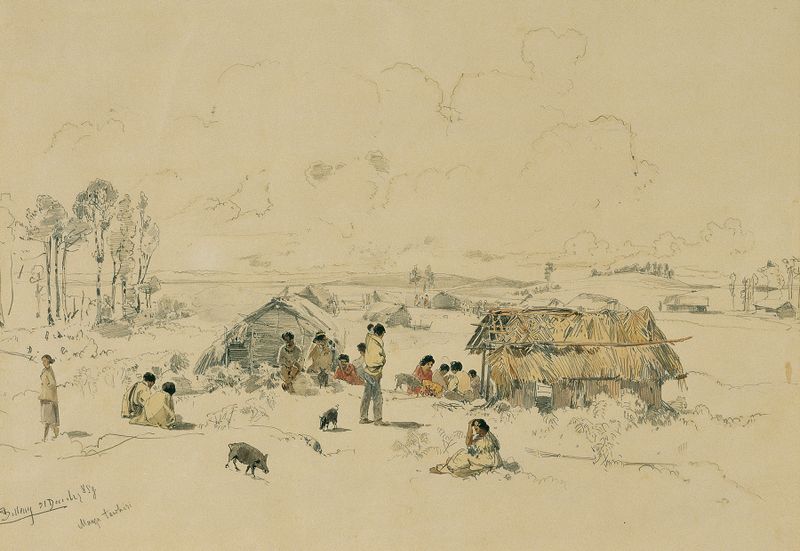
Maori-Dorf am Fluss Mangatawhiri, Auckland (Neuseeland)
Joseph Selleny
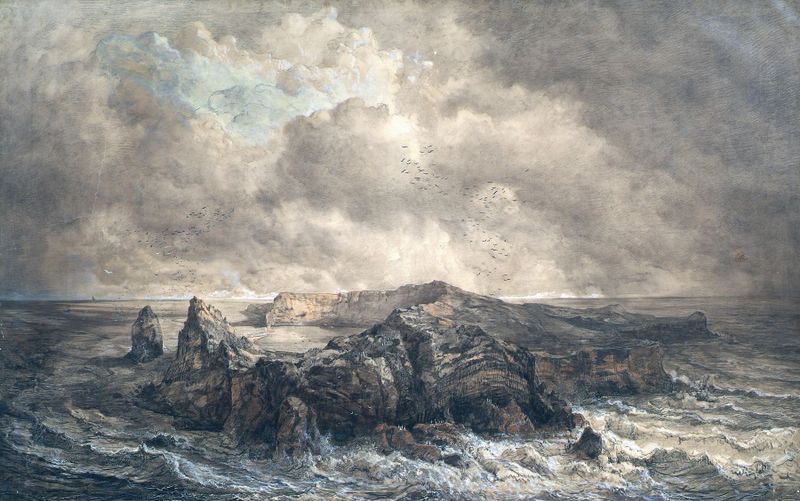
Die Insel St. Paul im Indischen Ozean
Joseph Selleny
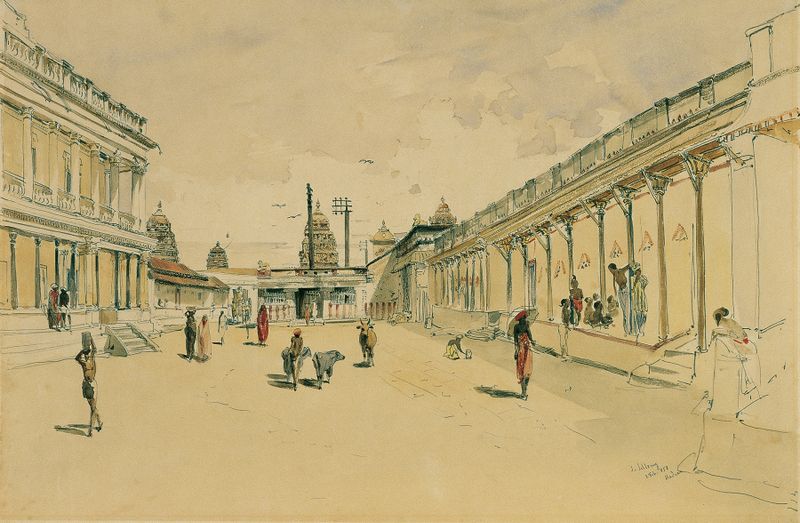
Straße in Madras mit einem Tempel
Joseph Selleny
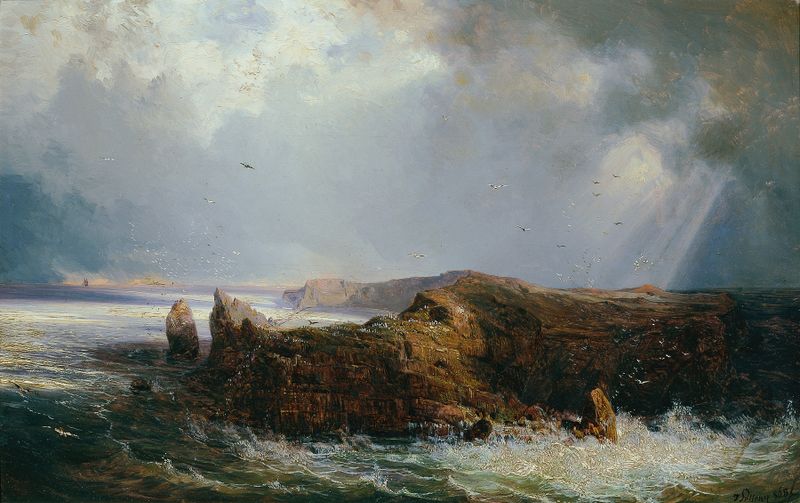
Die Insel St. Paul im Indischen Ozean
Joseph Selleny
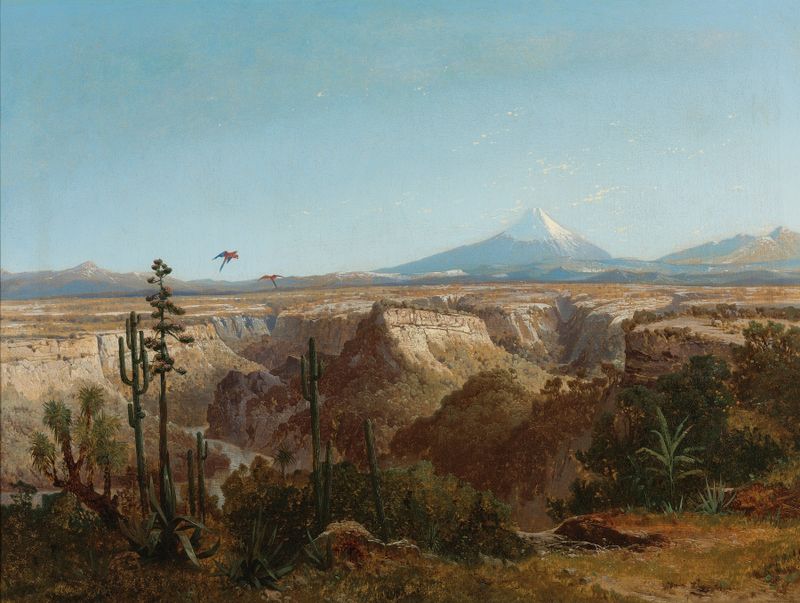
View Of The Atacama Desert In Chile With The Licancabur Volcano In The Background
Joseph Selleny
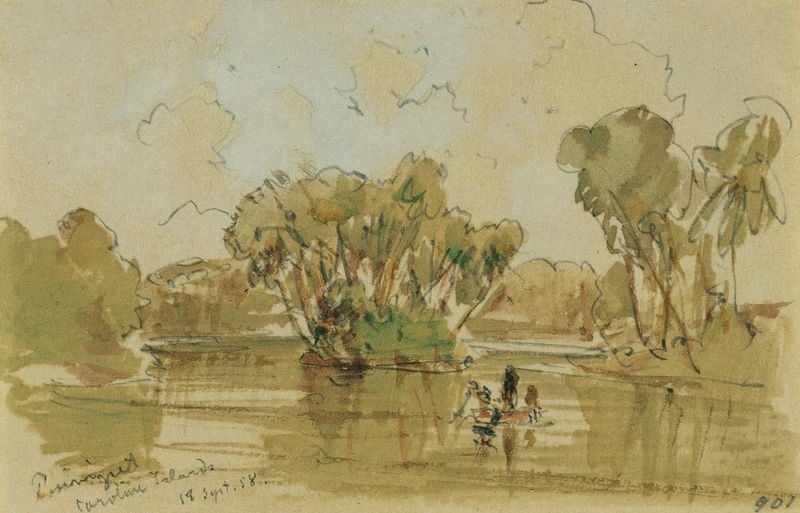
Landschaft auf der Insel Puinipet (Ponape), Caroline Islands
Joseph Selleny
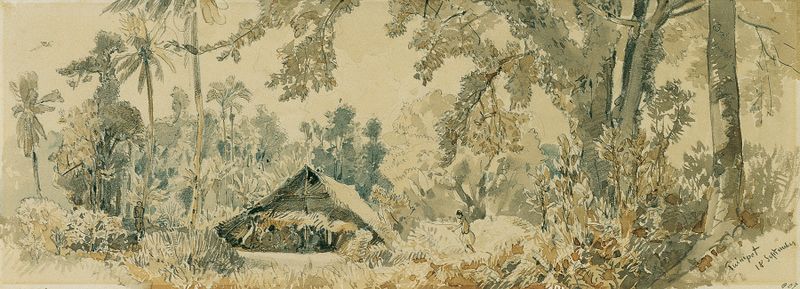
Eingeborenenhütte auf der Insel Puinipet (Ponape), Caroline Islands
Joseph Selleny

Haus des Roankiddi-Häuptlings auf der Insel Puinipet (Ponape), Caroline Islands
Joseph Selleny
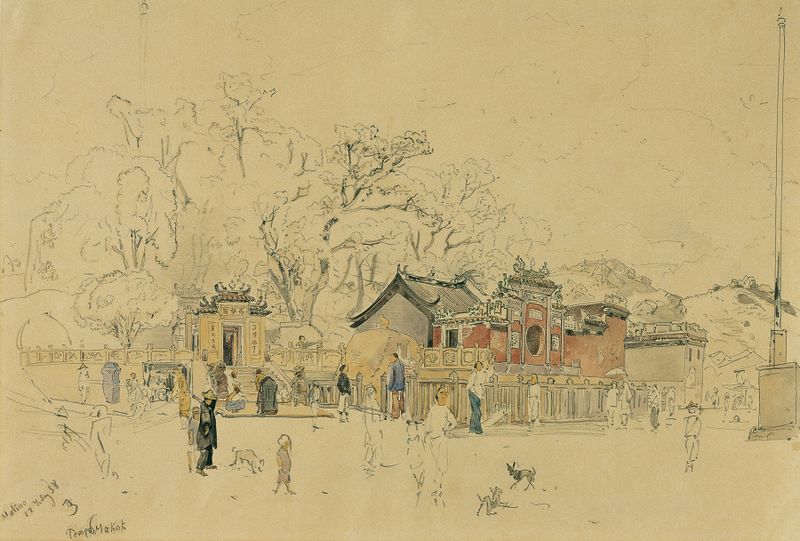
Der Tempelhain Makok auf der Halbinsel Macao
Joseph Selleny
Australischer Wald
Joseph Selleny
More Architecture Art
Browse all →
The statue of Liberty
Frédéric Auguste Bartholdi

View of Houses in Delft, Known as ‘The Little Street’
Johannes Vermeer

View of Houses in Delft, Known as ‘The Little Street’
Johannes Vermeer

The Cathedral in Rouen. The portal, Grey Weather
Claude Monet

The yellow house
Vincent van Gogh

The Church in Auvers-sur-Oise, View from the Chevet
Vincent van Gogh