
Der Tempelhain Makok auf der Halbinsel Macao — History & Facts
Could beauty survive in a century of chaos? As the world thrummed with industrial fervor and political unrest, the delicate dance between nature and civilization began to unfold. In this moment, the artist captures not just a place, but the very essence of movement itself, breathing life into the serenity of the scene. Look to the left at the graceful curves of the temple's roof, where intricate details rise against the backdrop of a tranquil sky. The hues of warm ochre and lush greens create a harmonious palette that wraps around the viewer, drawing the eye toward the heart of the peninsula.
Notice how the water reflects the vibrant colors, shimmering like jewels—each ripple whispers the stories of the past, while strokes of cerulean imbue the air with depth and motion. Yet beneath this captivating veneer lies an intricate interplay of contrasts. The elegant architecture stands resolute against the encroaching chaos of the outside world, symbolizing resilience amidst turmoil. The juxtaposition of the flowing water and the steadfast temple evokes a tension—life's constant ebb and flow against the permanence of human construction.
This delicate balance invites contemplation on what remains steadfast in a landscape of continual change. In 1858, Joseph Selleny painted this piece during a time of extraordinary transformation, both in his personal life and in broader artistic movements. Living in Paris amidst the rise of Romanticism, he sought to immerse viewers in the idyllic beauty of distant lands. The 19th century's fervent exploration of exotic locales allowed him to weave personal reflection with the vibrant life of Macao, conveying not just a landscape but a moment of transcendent stillness in an era marked by upheaval.
More Artworks by Joseph Selleny
Browse all →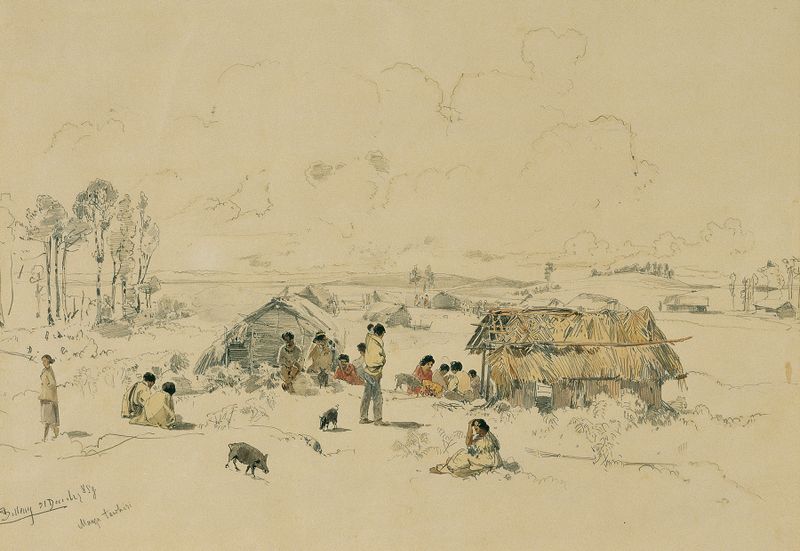
Maori-Dorf am Fluss Mangatawhiri, Auckland (Neuseeland)
Joseph Selleny
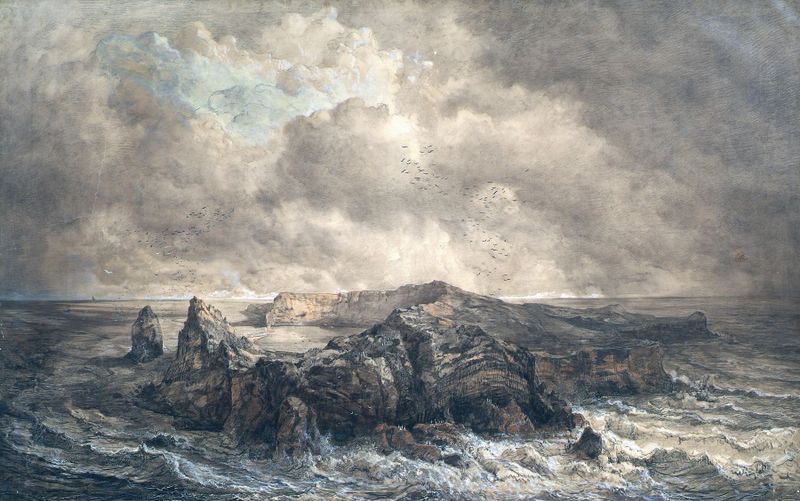
Die Insel St. Paul im Indischen Ozean
Joseph Selleny
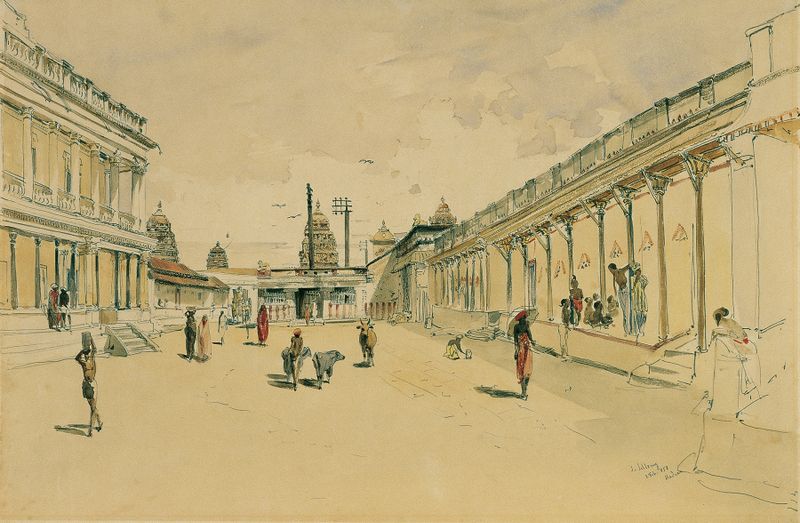
Straße in Madras mit einem Tempel
Joseph Selleny
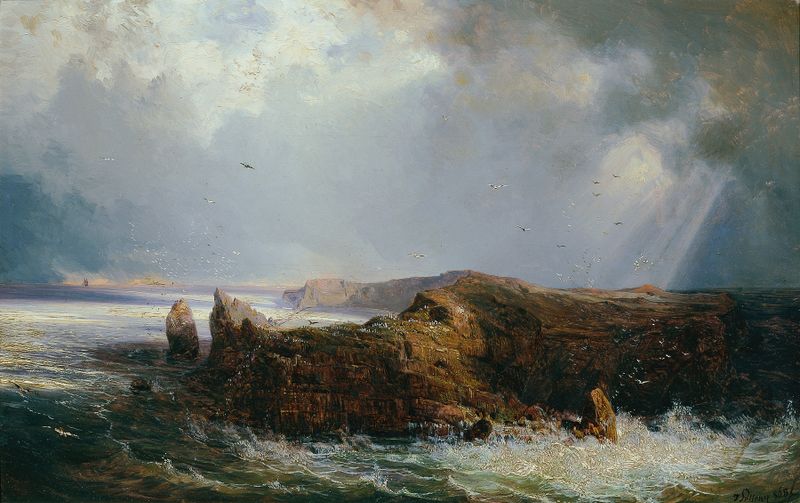
Die Insel St. Paul im Indischen Ozean
Joseph Selleny
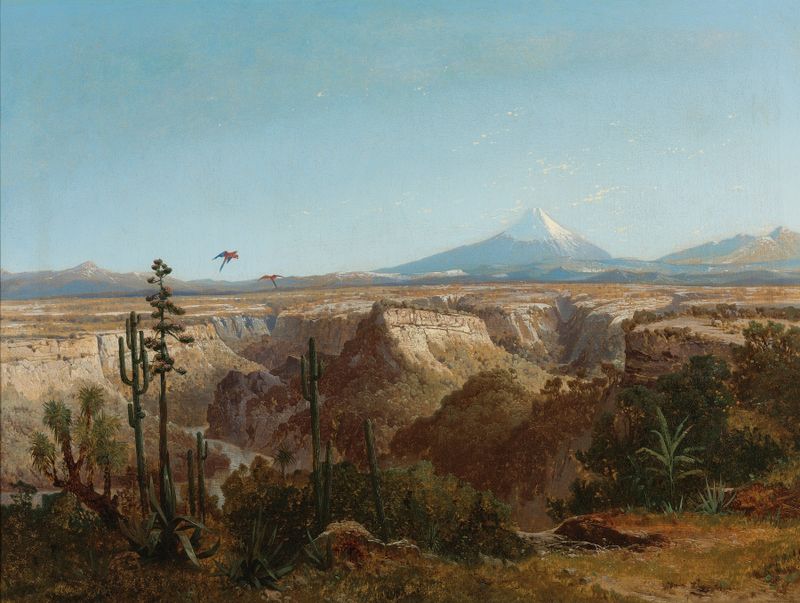
View Of The Atacama Desert In Chile With The Licancabur Volcano In The Background
Joseph Selleny
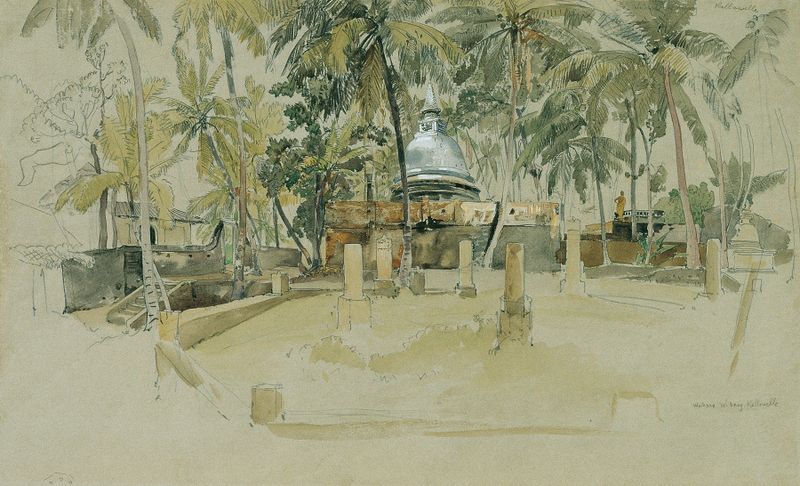
Buddhistischer Tempel auf Ceylon (Sri Lanka)
Joseph Selleny
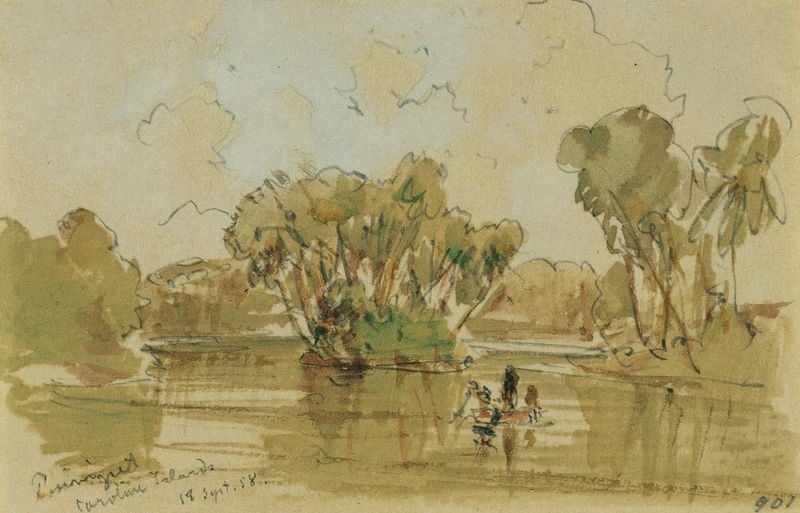
Landschaft auf der Insel Puinipet (Ponape), Caroline Islands
Joseph Selleny
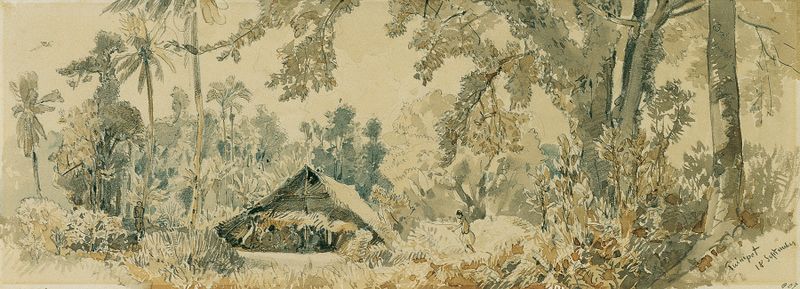
Eingeborenenhütte auf der Insel Puinipet (Ponape), Caroline Islands
Joseph Selleny

Haus des Roankiddi-Häuptlings auf der Insel Puinipet (Ponape), Caroline Islands
Joseph Selleny
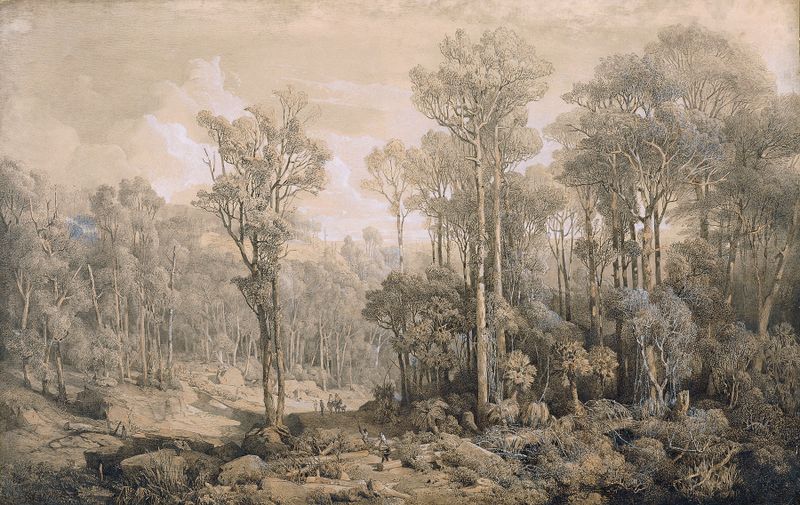
Australischer Wald
Joseph Selleny





