
Eingeborenenhütte auf der Insel Puinipet (Ponape), Caroline Islands — History & Facts
Did the painter know this moment would outlive them? The quiet hum of life, captured in a single frame, lingers in the air long after the brushstrokes have dried. Look to the center of the canvas, where thatched roofs whisper stories of a bygone era. The earthy tones of ochre and umber ground the scene, while patches of vibrant green suggest a thriving landscape. Notice how the light dapples through the foliage, casting soft shadows that evoke a sense of tranquility, yet hint at the inherent vulnerability of the shelter within.
The composition, with its balanced elements, draws the eye seamlessly from the rustic dwellings to the natural surroundings, inviting contemplation of this delicate coexistence. Beneath the surface, a deeper narrative unfolds. The thatched roof, while emblematic of indigenous resilience, also speaks to the encroaching forces of change. The juxtaposition of the serene environment with the potential disruption from the outside world casts a shadow over the scene, suggesting both beauty and fragility.
Each detail, from the intricate weaving of the grass to the distant, almost ghostly outlines of palm trees, reveals a profound connection between humanity and nature, layered with the tension of impermanence. In 1858, Selleny painted this work during his travels in the Caroline Islands, a time when European interests began to reshape the Pacific landscape. Witnessing the intersection of cultures, he sought to immortalize the authenticity of indigenous life amidst a backdrop of colonial expansion. His dedication to capturing the essence of these fleeting moments offers a poignant reminder of the past, inviting viewers to reflect on what might soon be lost.
More Artworks by Joseph Selleny
Browse all →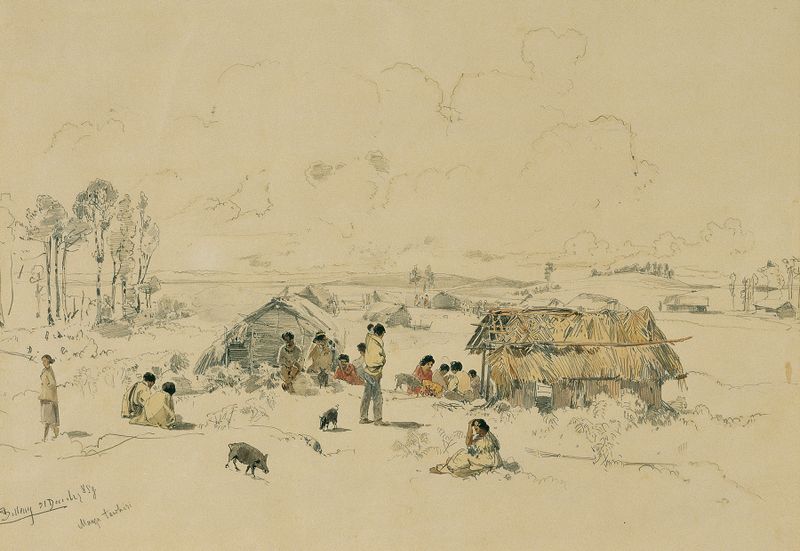
Maori-Dorf am Fluss Mangatawhiri, Auckland (Neuseeland)
Joseph Selleny
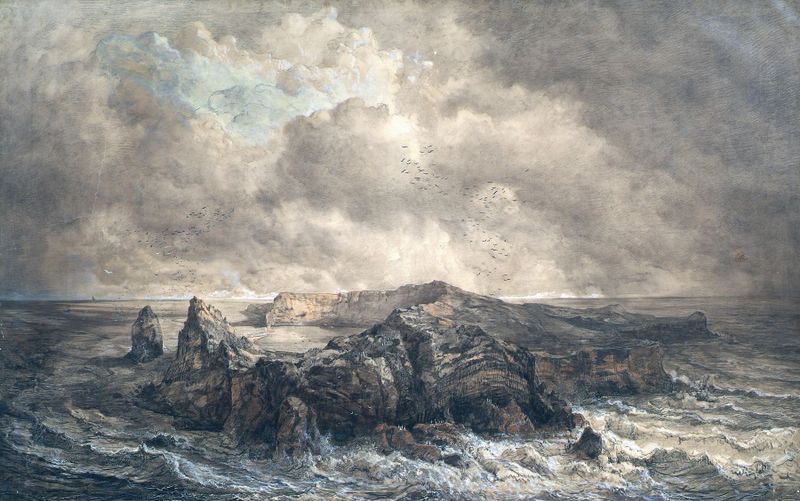
Die Insel St. Paul im Indischen Ozean
Joseph Selleny
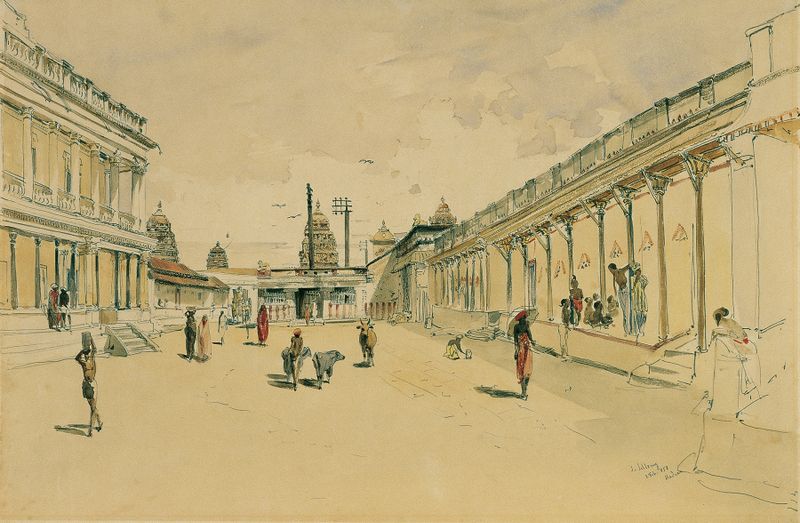
Straße in Madras mit einem Tempel
Joseph Selleny
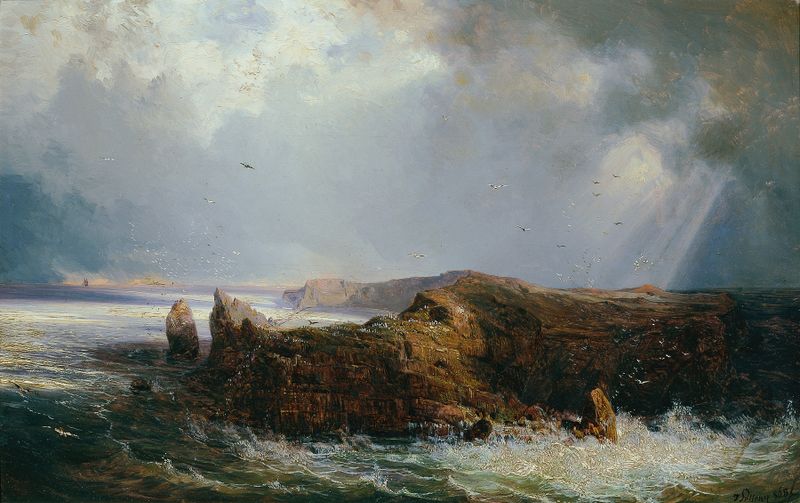
Die Insel St. Paul im Indischen Ozean
Joseph Selleny
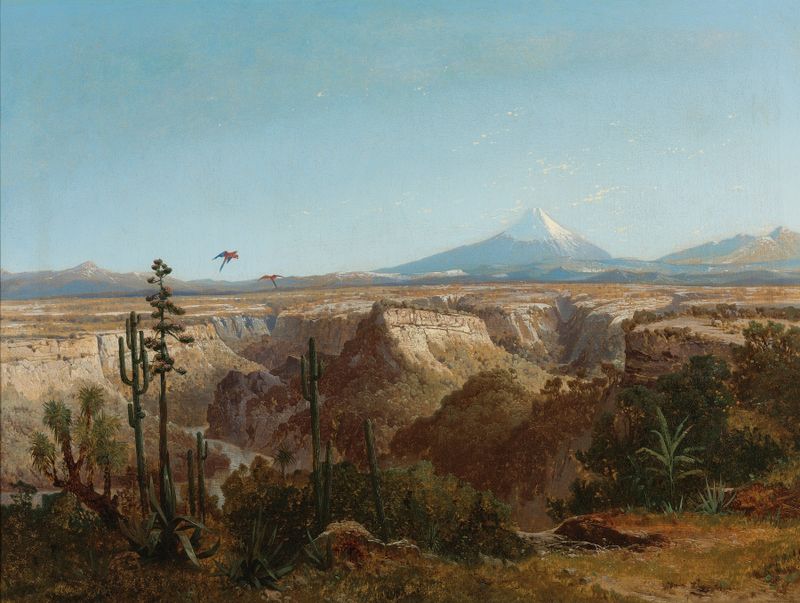
View Of The Atacama Desert In Chile With The Licancabur Volcano In The Background
Joseph Selleny
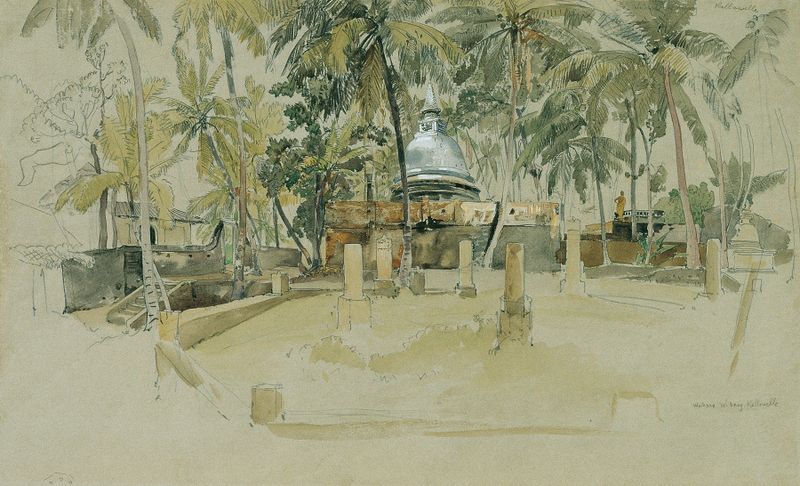
Buddhistischer Tempel auf Ceylon (Sri Lanka)
Joseph Selleny
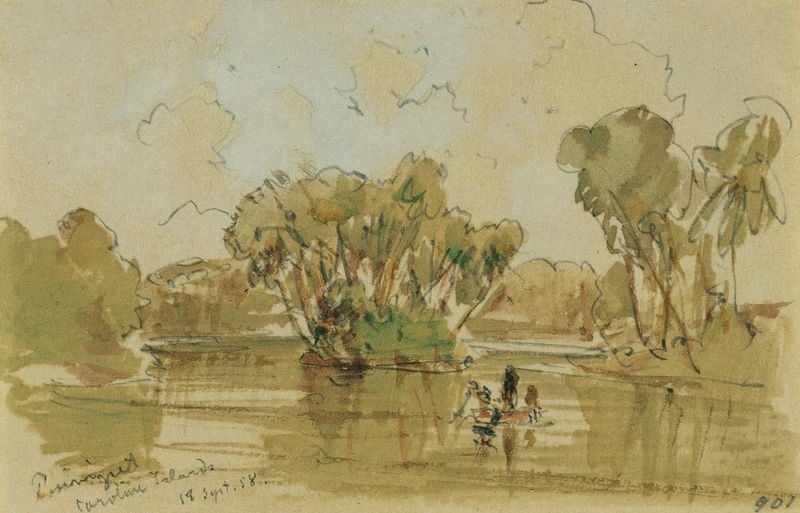
Landschaft auf der Insel Puinipet (Ponape), Caroline Islands
Joseph Selleny

Haus des Roankiddi-Häuptlings auf der Insel Puinipet (Ponape), Caroline Islands
Joseph Selleny
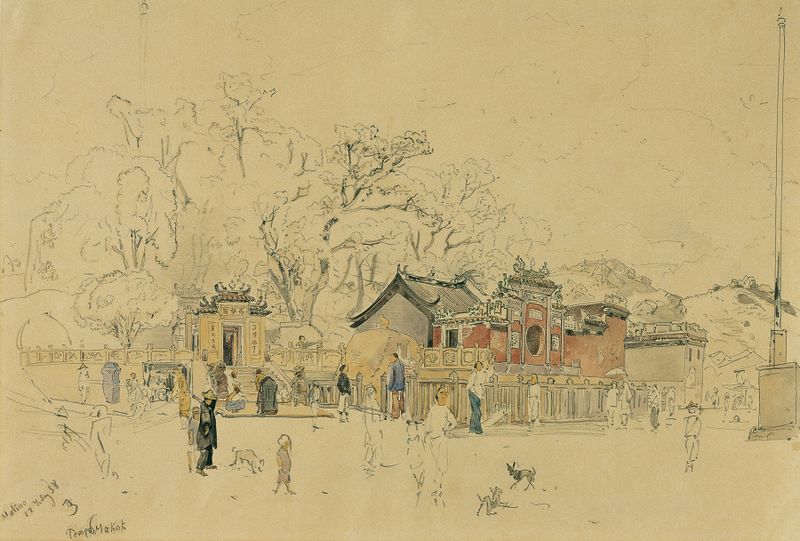
Der Tempelhain Makok auf der Halbinsel Macao
Joseph Selleny
Australischer Wald
Joseph Selleny





