
Buste van een kapucijner monnik — History & Facts
Could beauty survive in a century of chaos? In Jan Lievens’ Buste van een kapucijner monnik, the answer resonates in the quiet strength of the figure captured upon the canvas. Look closely at the monk's serene face, a study in contemplation and resilience. Notice how the play of light gently caresses the folds of his brown robes, elevating the simplicity of his garb into a symbol of profound dignity. The subtle contrasts between the warm earth tones of his attire and the cool shadows that linger around him create a sense of depth, drawing the viewer into his world of silence and introspection.
The meticulous brushwork reveals not just the texture of fabric but an inner life—each stroke a whisper of spirituality amidst external tumult. Beneath this tranquil exterior lies a profound tension. The monk’s downcast gaze, seeking solace or perhaps wisdom, speaks of the violence that persisted outside the monastery's walls during the early 17th century. Lievens encapsulates not just a moment but an era marked by turmoil and religious strife, with the capuchin monk representing a refuge from the chaos—a potent symbol of faith and fortitude.
The simplicity of the composition contrasts sharply with the tumultuous world, suggesting that beauty and serenity can thrive, even as darkness looms. Created during his time in the Netherlands, Lievens painted this work between 1621 and 1674, a period filled with political instability and religious conflict. As a contemporary of Rembrandt, he was deeply influenced by the chiaroscuro technique that was gaining prominence in Dutch art, reflecting both personal and societal struggles. This painting stands as a testament to his ability to capture the essence of humanity, even in a world teetering on the brink of chaos.
More Artworks by Jan Lievens
Browse all →
Portret van Joost van den Vondel
Jan Lievens
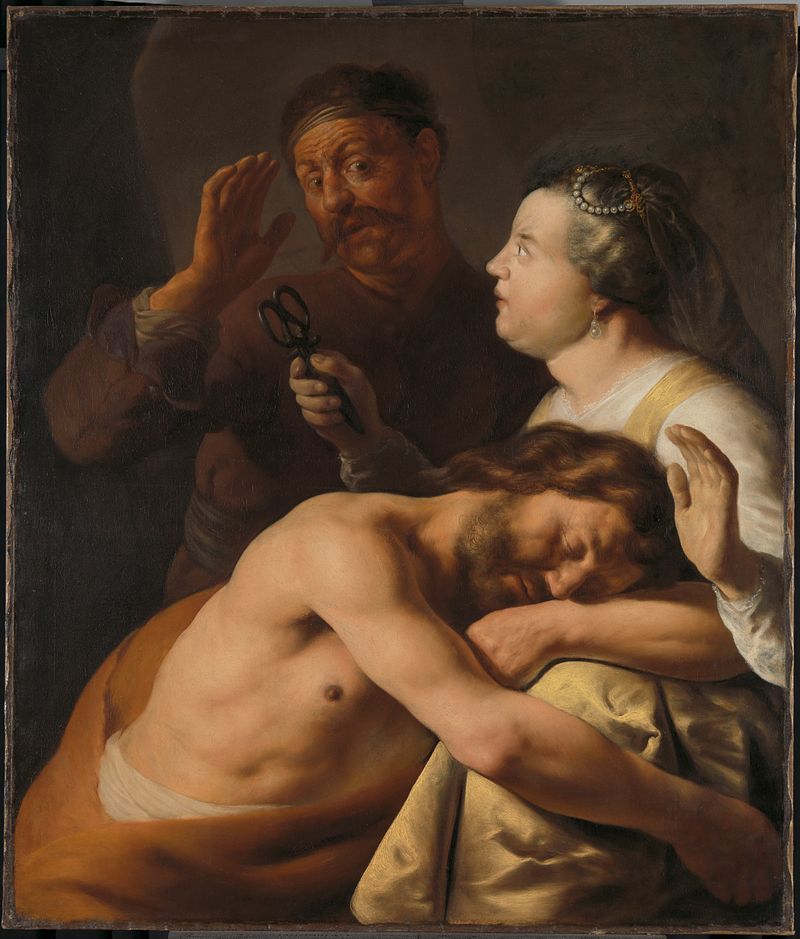
Samson and Delilah
Jan Lievens

Portret van Joost van den Vondel
Jan Lievens
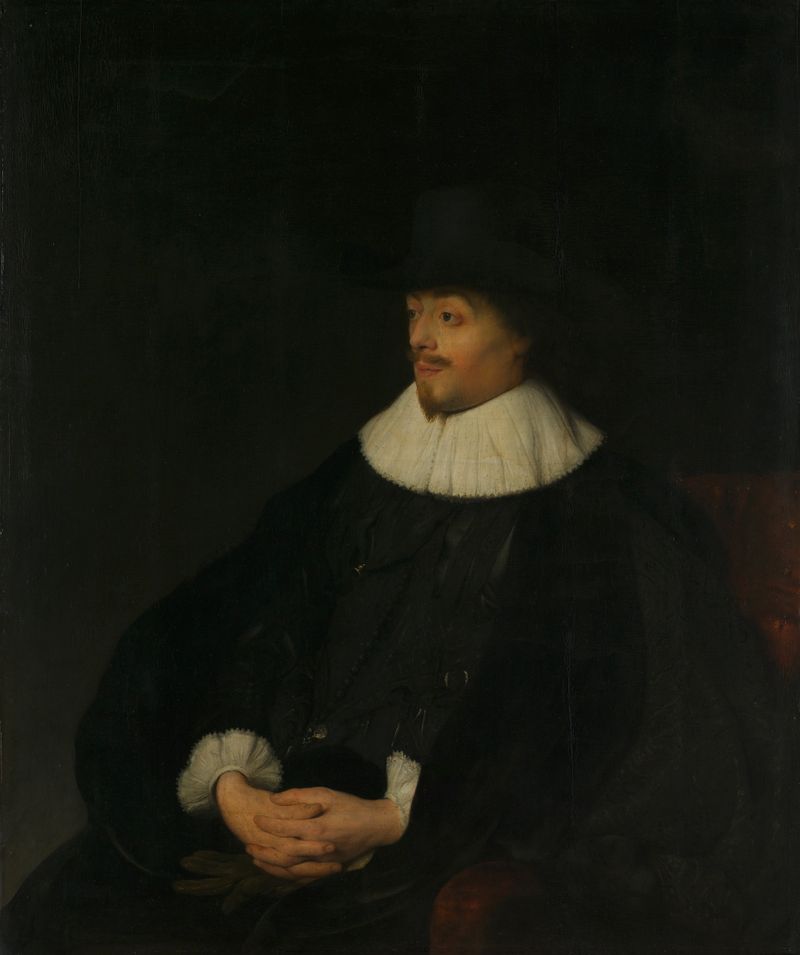
Portrait of Constantijn Huygens
Jan Lievens
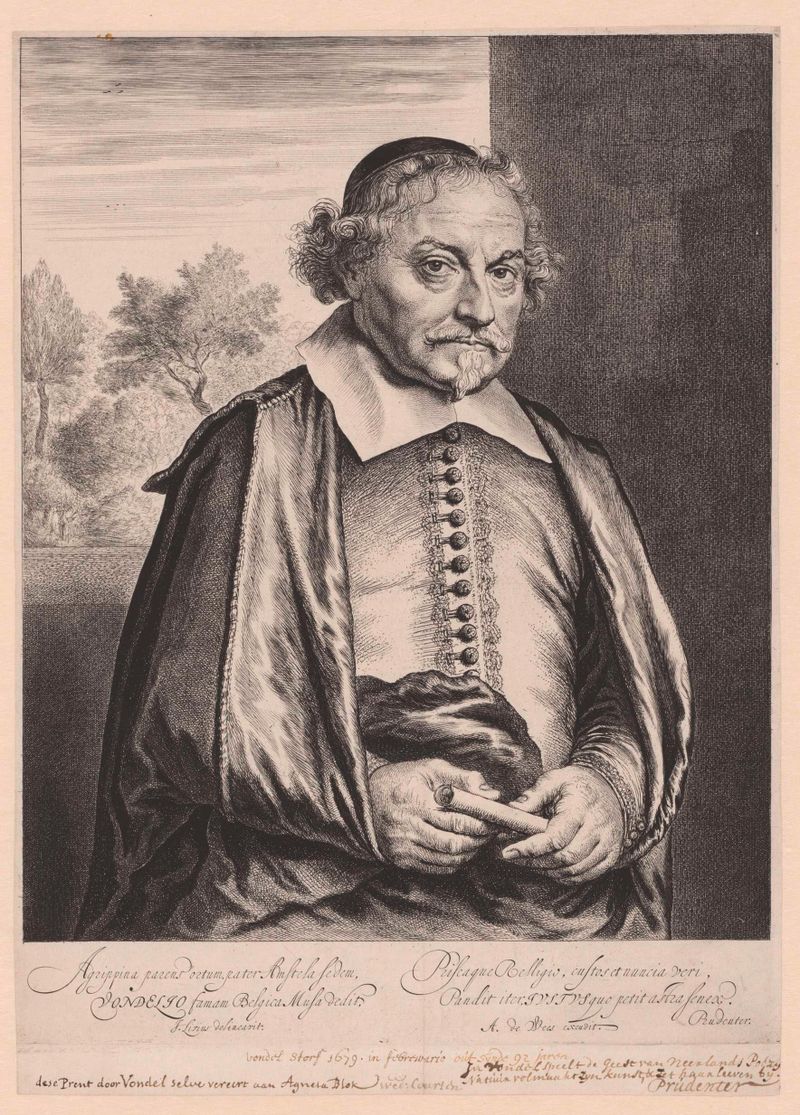
Portret van Joost van den Vondel
Jan Lievens

Portret van Joost van den Vondel
Jan Lievens

Christ Washing the Disciples' Feet
Jan Lievens
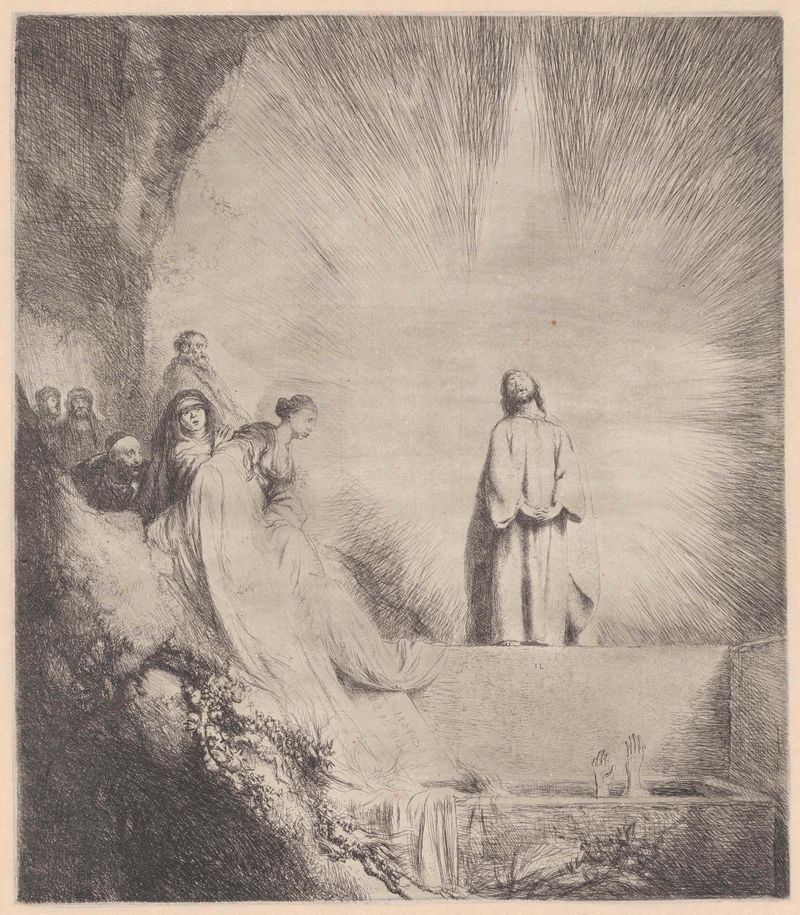
Opwekking van Lazarus
Jan Lievens
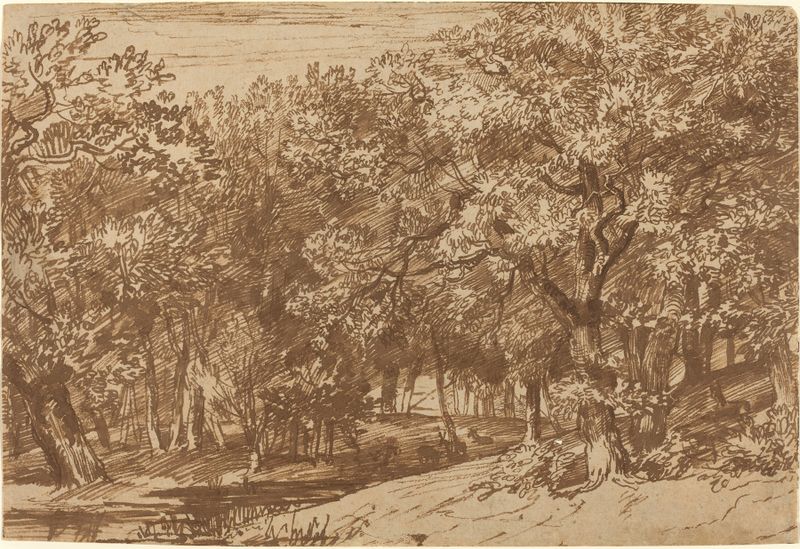
Deer Park
Jan Lievens
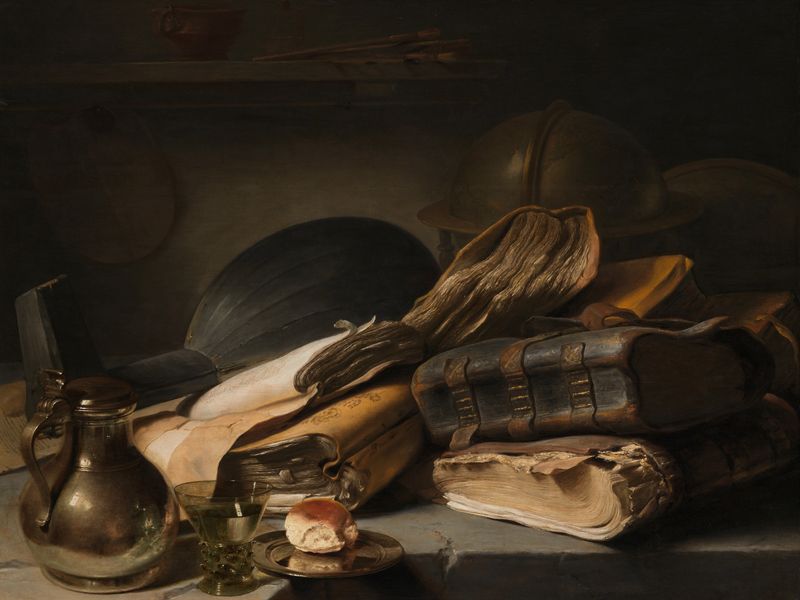
Still Life with Books
Jan Lievens
More Portrait Art
Browse all →
Las meninas
Diego Velázquez

Self-portrait with a Bandaged Ear and Pipe
Unidentified artist

Girl with a Pearl Earring
Johannes Vermeer

The Sampling Officials of the Amsterdam Drapers’ Guild, Known as ‘The Syndics’
Rembrandt van Rijn

The Hundred Guilder Print: the man seen on the back in the lower left corner
Rembrandt van Rijn

Portrait of Dr Gachet
Vincent van Gogh