
Opwekking van Lazarus — History & Facts
What secret hides in the quiet of the canvas? Beneath layers of paint and time lies a narrative of decay, resurrection, and the tension between life and death. Look to the center, where the figure of Lazarus emerges from the shadows, his pale skin glowing against the muted tones that envelop him. The surrounding figures, draped in rich, earthy fabrics, are etched into the scene with deep chiaroscuro, their expressions a blend of awe and disbelief. Notice how the light falls upon Lazarus's face, illuminating his eyes with a spark of new life, contrasting sharply with the darker hues that suggest his former state of stillness. In the soft folds of fabric and the intricate details of the surrounding faces, we find a tumult of emotions: a mix of fear, hope, and the unspeakable weight of mortality.
The tension between the vibrant life portrayed in Lazarus and the stillness of the onlookers evokes a deeper contemplation of existence. The decay of the body is palpable yet hopeful, as it hints at the transient nature of life itself, provoking questions about faith and the possibility of rebirth. Jan Lievens painted Opwekking van Lazarus in the early 1630s while in the Netherlands, a period marked by artistic innovation and the flourishing of the Baroque style. At this time, he was forging a path alongside contemporaries like Rembrandt, exploring light and shadow in a way that would influence generations.
The work not only reflects his technical prowess but also engages with themes of spirituality and the human condition, resonating deeply with the societal contemplation of life and death during a tumultuous era.
More Artworks by Jan Lievens
Browse all →
Portret van Joost van den Vondel
Jan Lievens
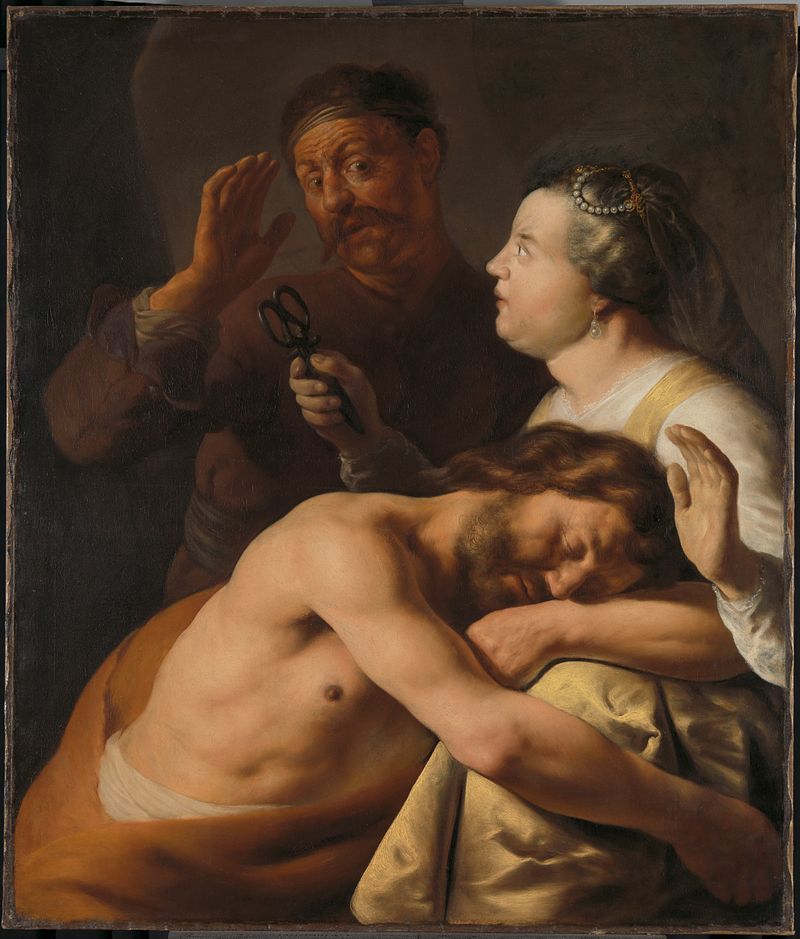
Samson and Delilah
Jan Lievens

Portret van Joost van den Vondel
Jan Lievens
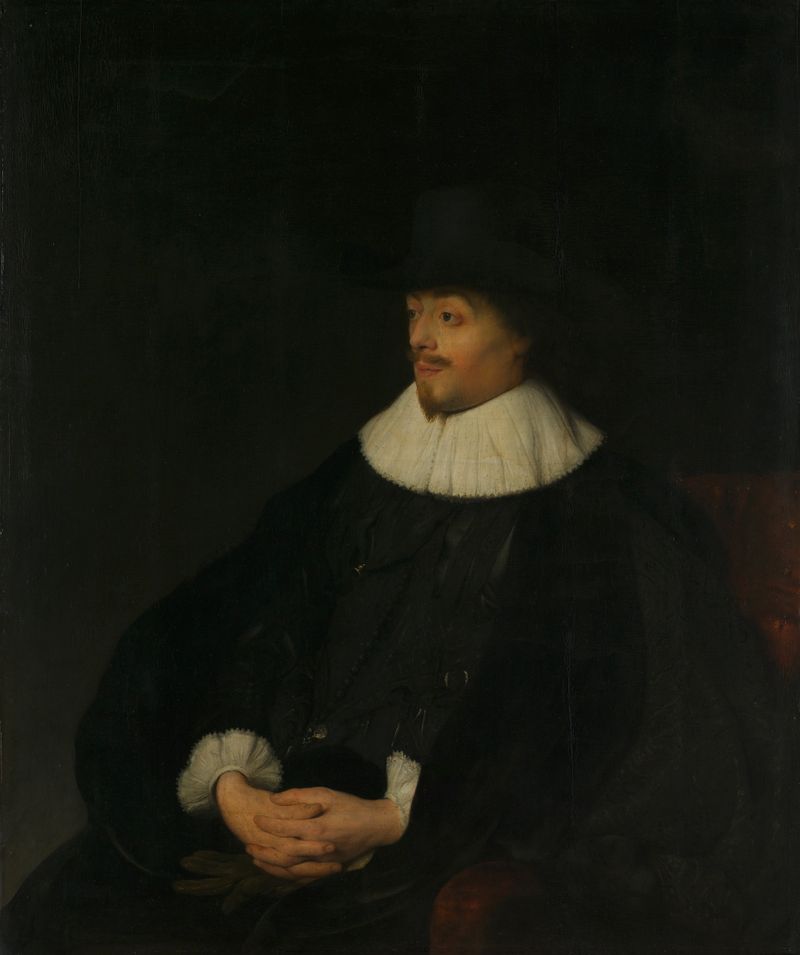
Portrait of Constantijn Huygens
Jan Lievens
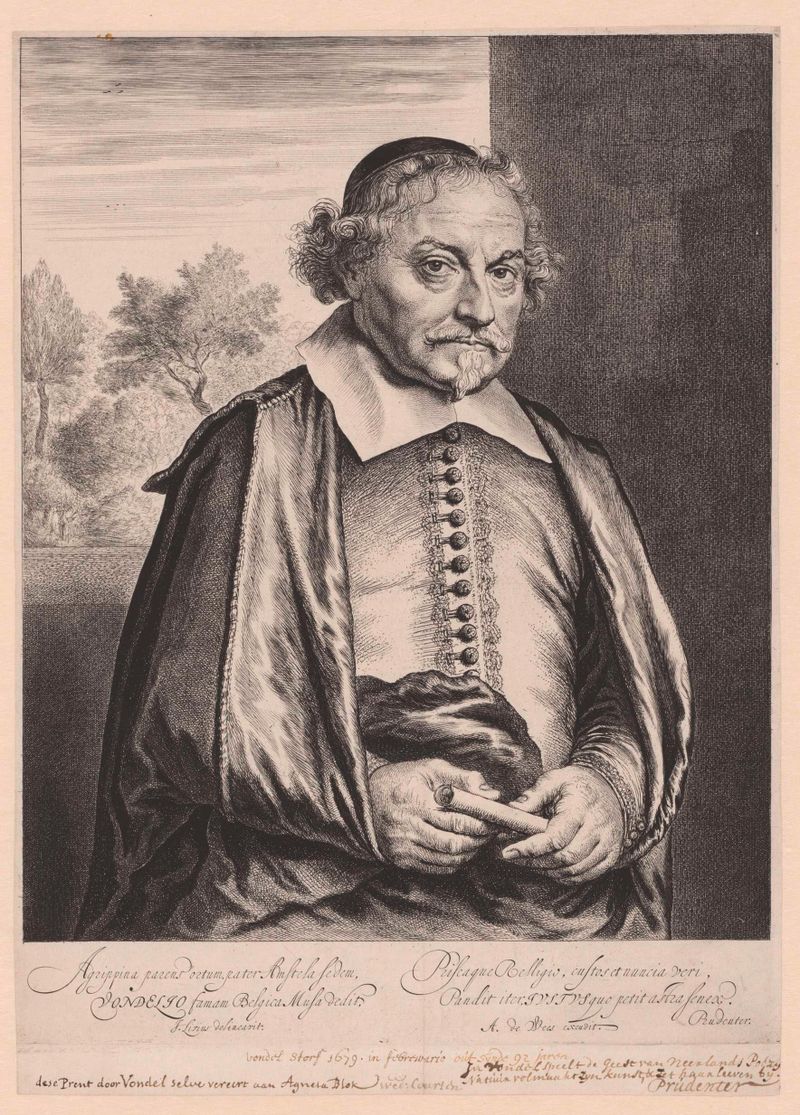
Portret van Joost van den Vondel
Jan Lievens

Portret van Joost van den Vondel
Jan Lievens

Christ Washing the Disciples' Feet
Jan Lievens
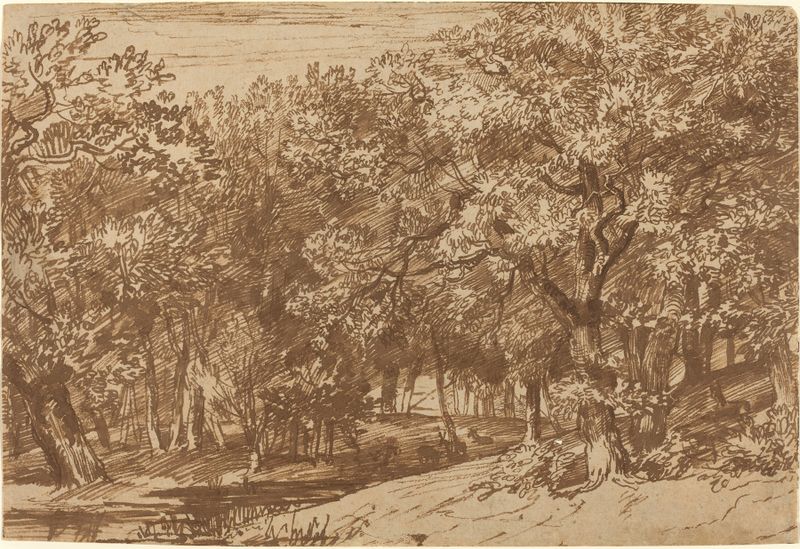
Deer Park
Jan Lievens
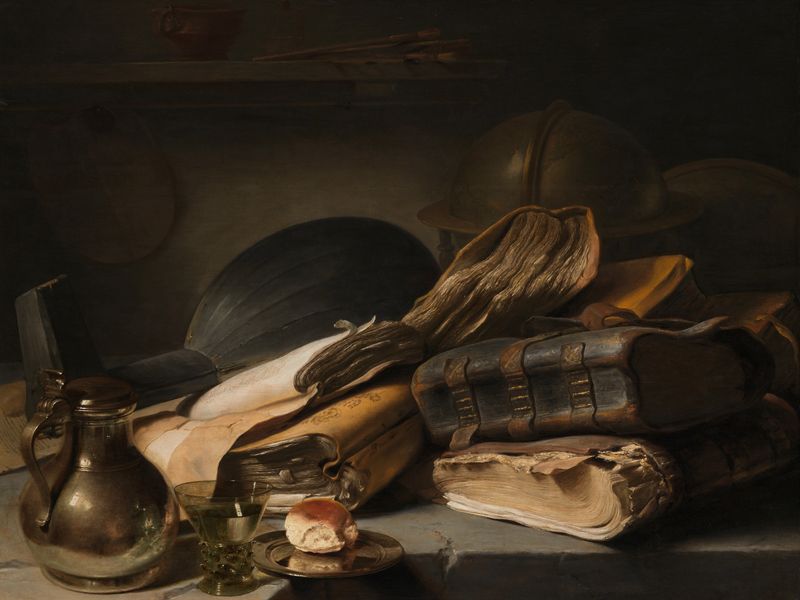
Still Life with Books
Jan Lievens
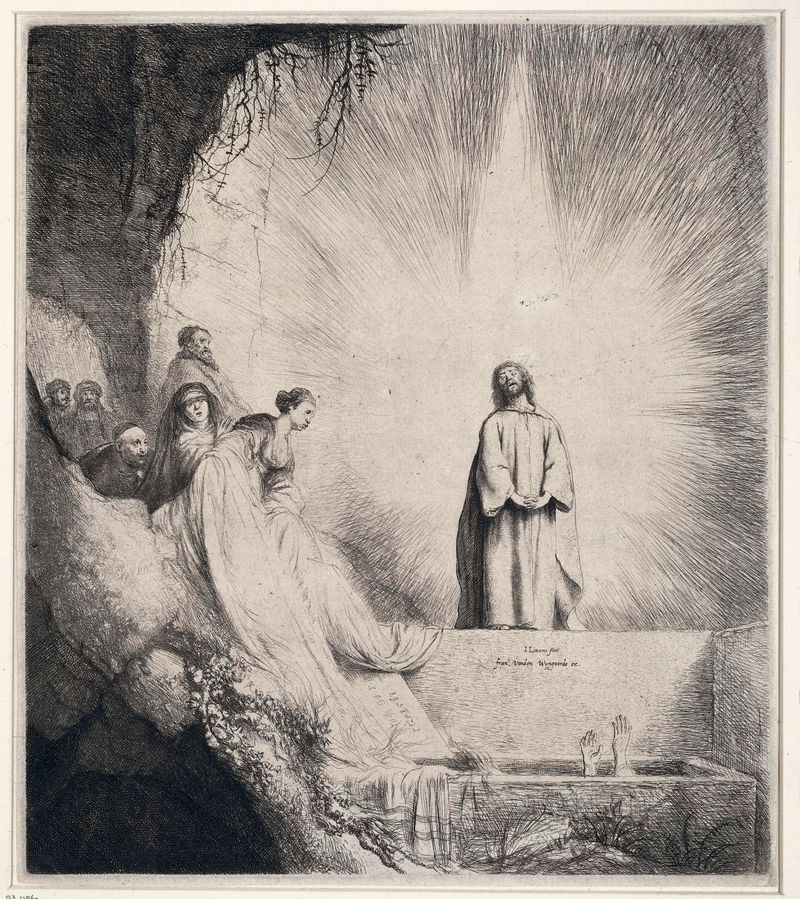
Opwekking van Lazarus
Jan Lievens
More Religious Art
Browse all →
The Return of the Prodigal Son
Rembrandt van Rijn

The Garden of Earthly Delights
El Bosco

Count Orgaz’ funeral
El Greco

The Hundred Guilder Print: the central piece with Christ preaching, the plate arched
Rembrandt van Rijn

The Descent from the Cross
Rogier van der Weyden

The return of the prodigal son
Rembrandt van Rijn