
Deer Park — History & Facts
Who listens when art speaks of silence? In the stillness of Deer Park, a world of desire unfolds, evoking the subtle ache of longing and the whispered dreams of nature. Look to the left, where vibrant greens and soft browns converge to create a lush landscape that beckons with its tranquility. Notice how the delicate strokes of paint mimic rustling leaves and dappled sunlight filtering through branches, inviting the viewer to step into this serene refuge. The balance of light and shadow draws your gaze further into the scene, revealing a tranquil figure at the center—perhaps a wanderer lost in contemplation, their posture suggesting both peace and yearning. In this quiet moment, contrasts emerge.
The gentle curves of the landscape seem to cradle the figure, yet an undercurrent of isolation lingers, as if the beauty surrounding them is both a solace and a reminder of what remains unattainable. The interplay of vibrant foliage against muted earth tones highlights the tensions between nature’s abundance and personal solitude, while the figure's stillness speaks volumes of unfulfilled desire. Jan Lievens painted Deer Park during a period marked by personal and artistic transformation in the early 17th century. Working in the Netherlands, he was influenced by the burgeoning Baroque movement, exploring themes of intimacy and introspection.
At that time, he was forging a reputation that would see him become a significant figure in the Dutch art scene, even as he navigated the complexities of his own artistic identity.
More Artworks by Jan Lievens
Browse all →
Portret van Joost van den Vondel
Jan Lievens
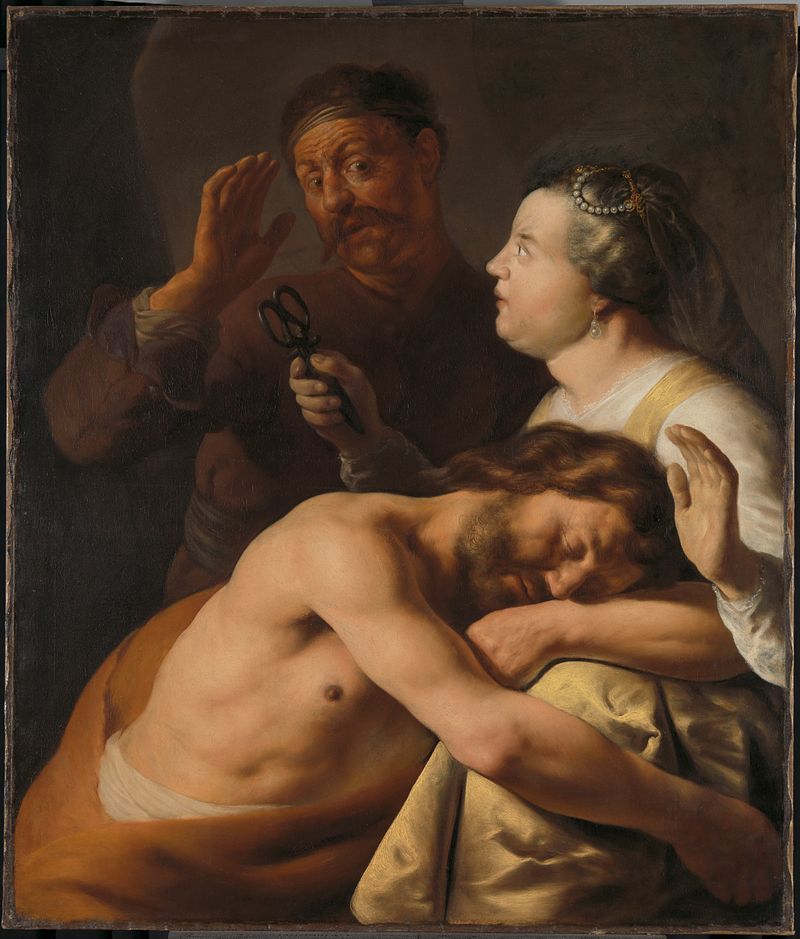
Samson and Delilah
Jan Lievens

Portret van Joost van den Vondel
Jan Lievens
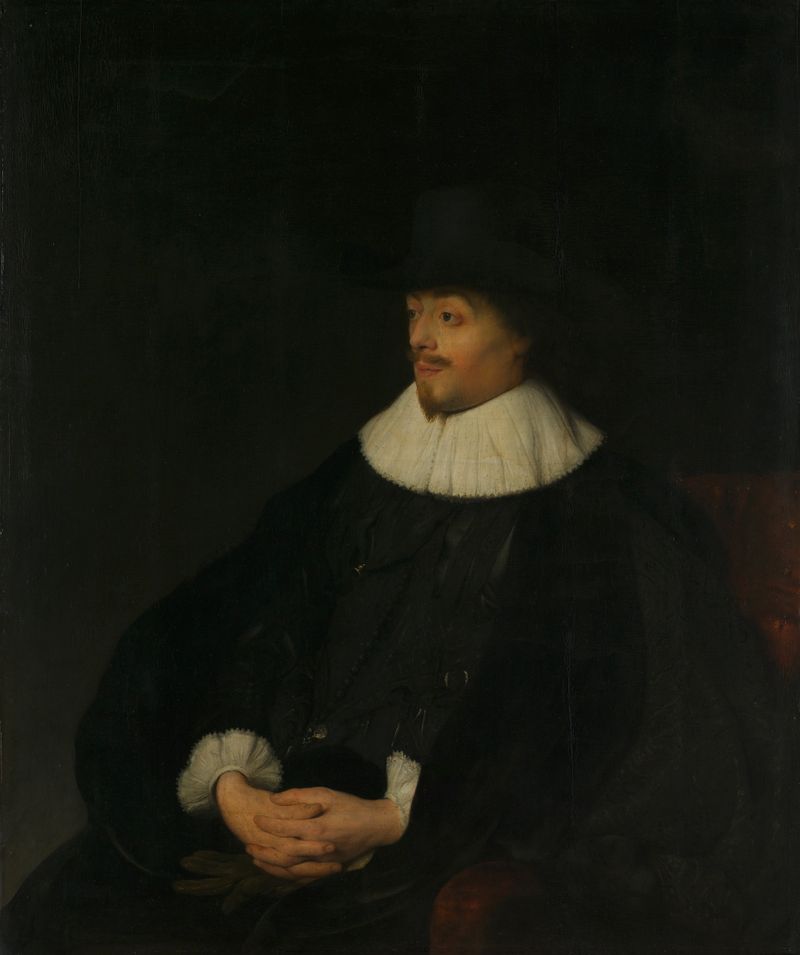
Portrait of Constantijn Huygens
Jan Lievens
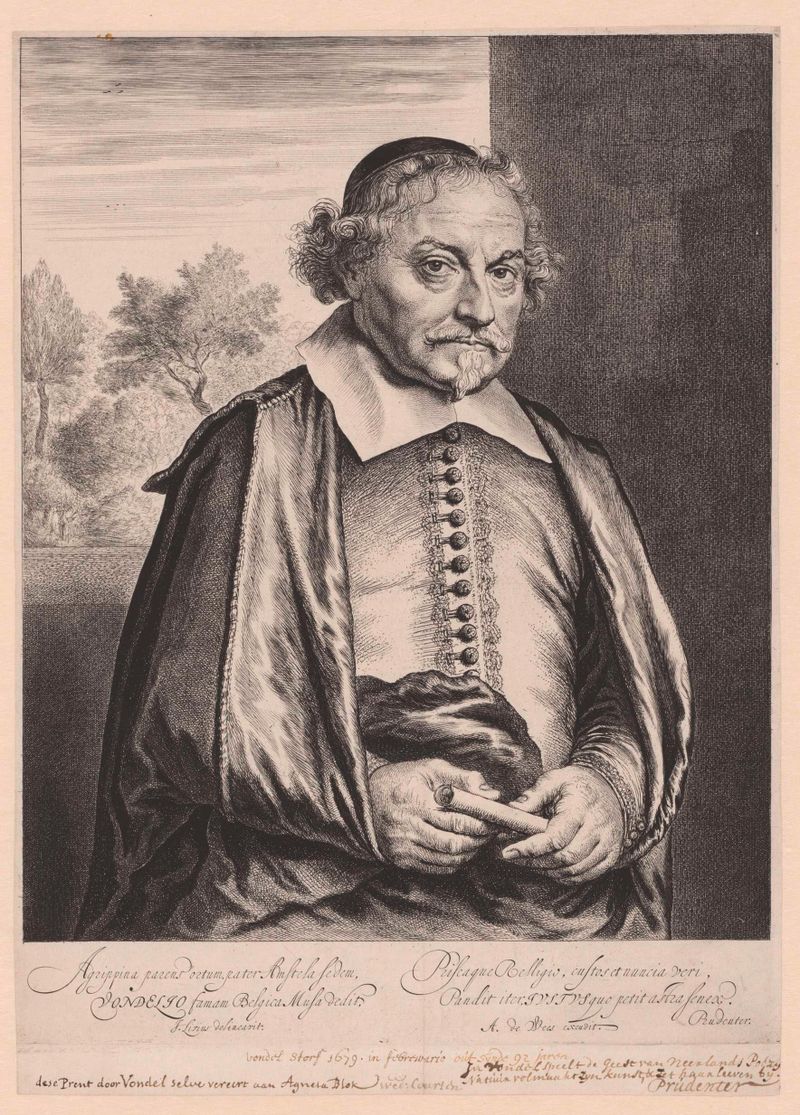
Portret van Joost van den Vondel
Jan Lievens

Portret van Joost van den Vondel
Jan Lievens

Christ Washing the Disciples' Feet
Jan Lievens
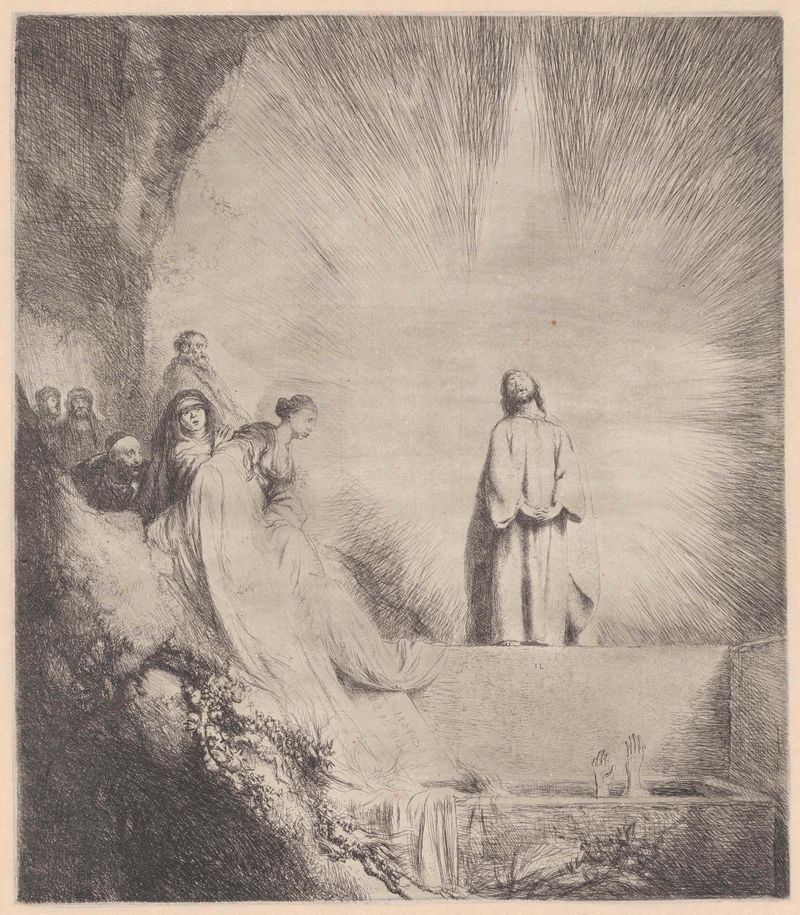
Opwekking van Lazarus
Jan Lievens
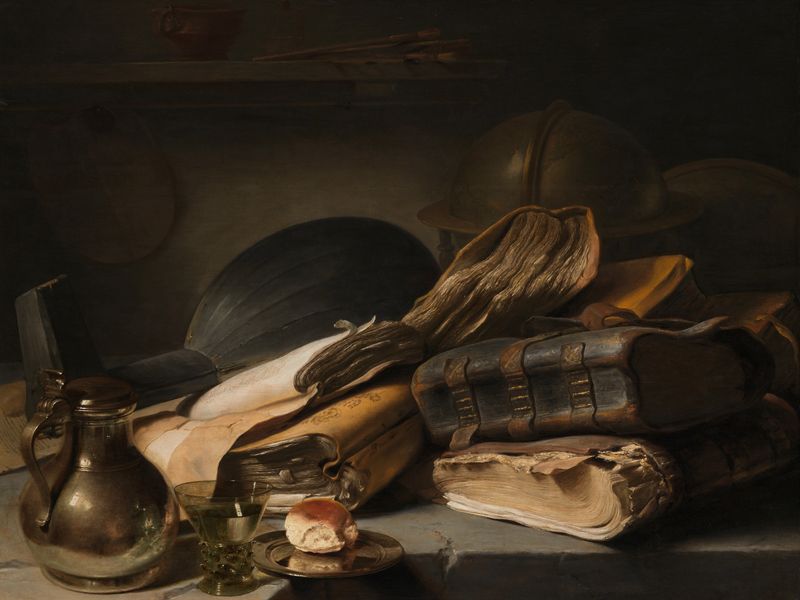
Still Life with Books
Jan Lievens
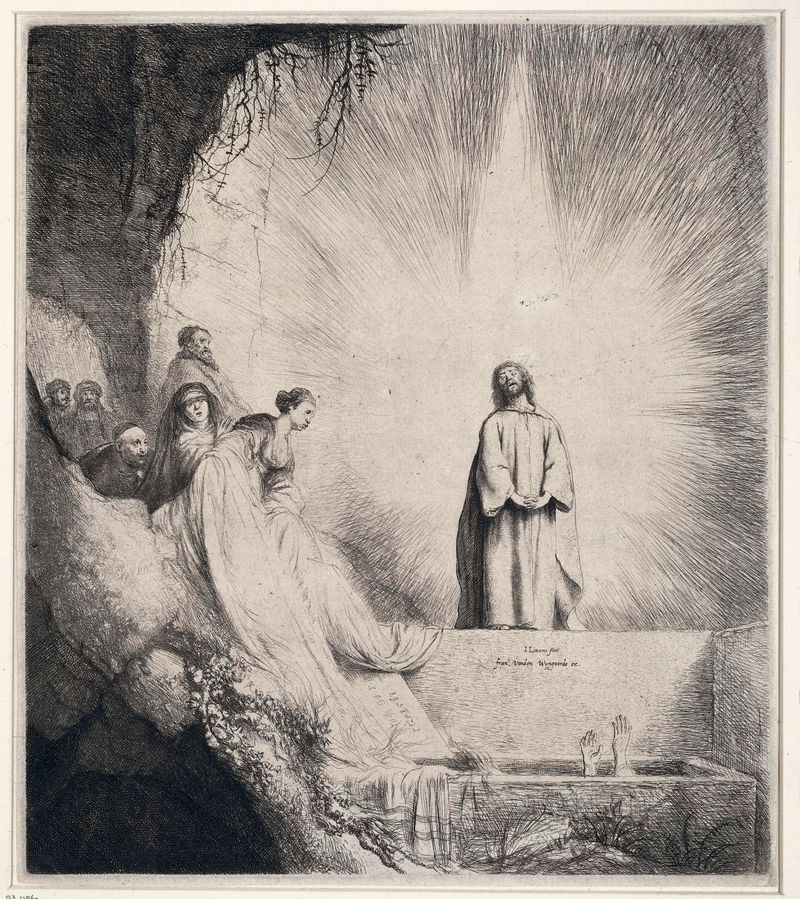
Opwekking van Lazarus
Jan Lievens





