
Christ Washing the Disciples' Feet — History & Facts
What if beauty was never meant to be finished? This haunting question echoes through Jan Lievens' Christ Washing the Disciples' Feet, a masterful reflection on humility and service that invites the viewer to contemplate the transformative power of selflessness. Look to the center of the canvas, where Christ kneels, his gentle hands cradling one of his disciples’ feet. The contrast of light and shadow plays a crucial role; a warm glow envelops Christ, highlighting his serene expression, while the surrounding figures remain shrouded in a delicate darkness. Notice the rich, earthy tones of the disciples’ garments, grounding the scene in a moment of profound intimacy.
Lievens’ meticulous brushwork breathes life into each figure, drawing the eye across the tableau and subtly guiding us through this sacred act. As the viewer engages with this moment, the emotional tension surfaces in the contrast between the mundane act of foot-washing and the monumental significance it bears. The humility of the gesture reflects a radical awakening to selfless love, a theme that resonates through the ages. The disciples' varied expressions capture a mix of surprise, reverence, and even discomfort, evoking the conflict between status and service that defines the human experience.
Each face tells a story, reminding us of our own struggles with egotism in the presence of unconditional love. Created around 1630, Lievens painted this piece during a period of spiritual exploration in the Netherlands. As a contemporary of Rembrandt, he was influenced by the burgeoning Dutch Baroque style and the profound religious narratives of the time. The artwork reflects not just a moment from scripture, but also the artist's own grappling with themes of faith, humility, and the sacred nature of everyday acts.
More Artworks by Jan Lievens
Browse all →
Portret van Joost van den Vondel
Jan Lievens
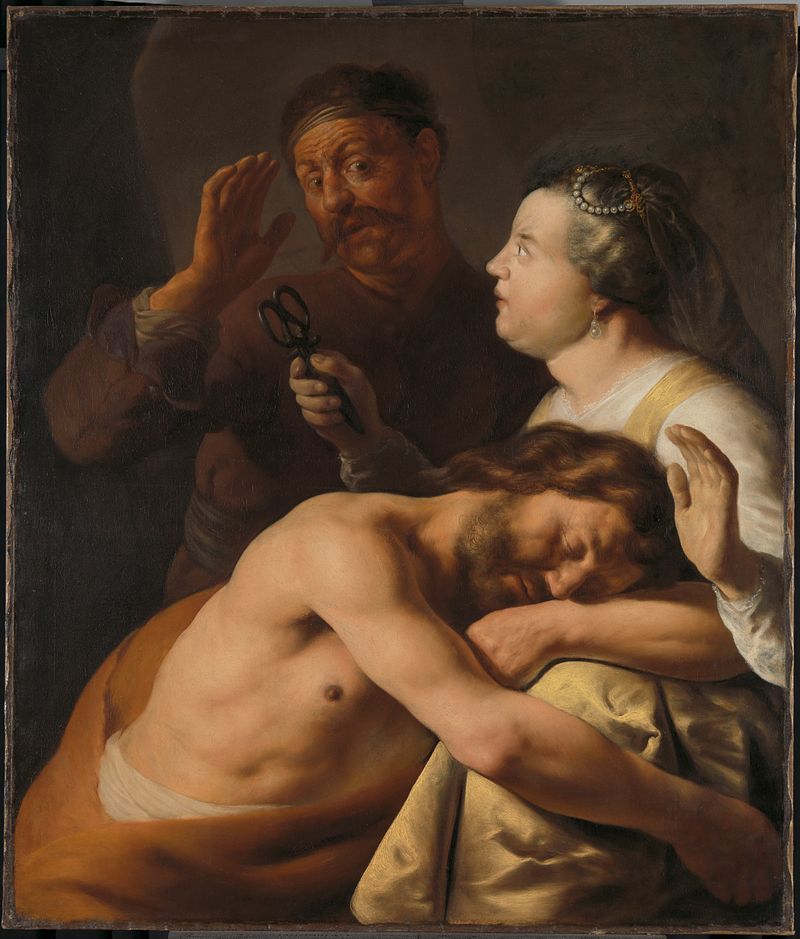
Samson and Delilah
Jan Lievens

Portret van Joost van den Vondel
Jan Lievens
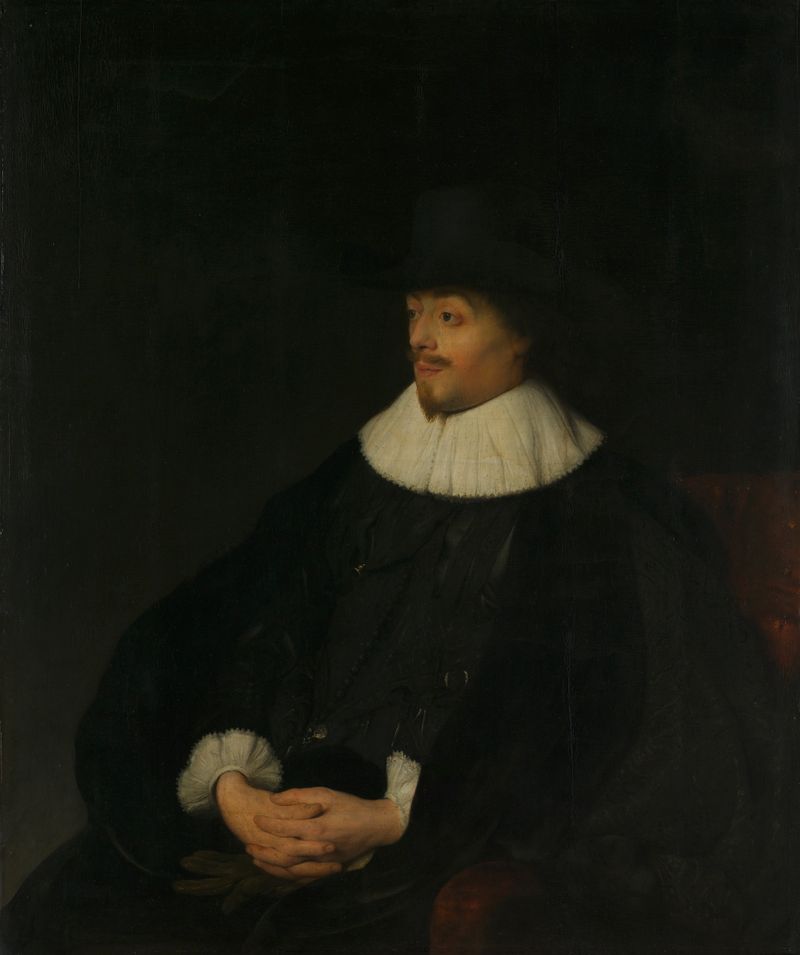
Portrait of Constantijn Huygens
Jan Lievens
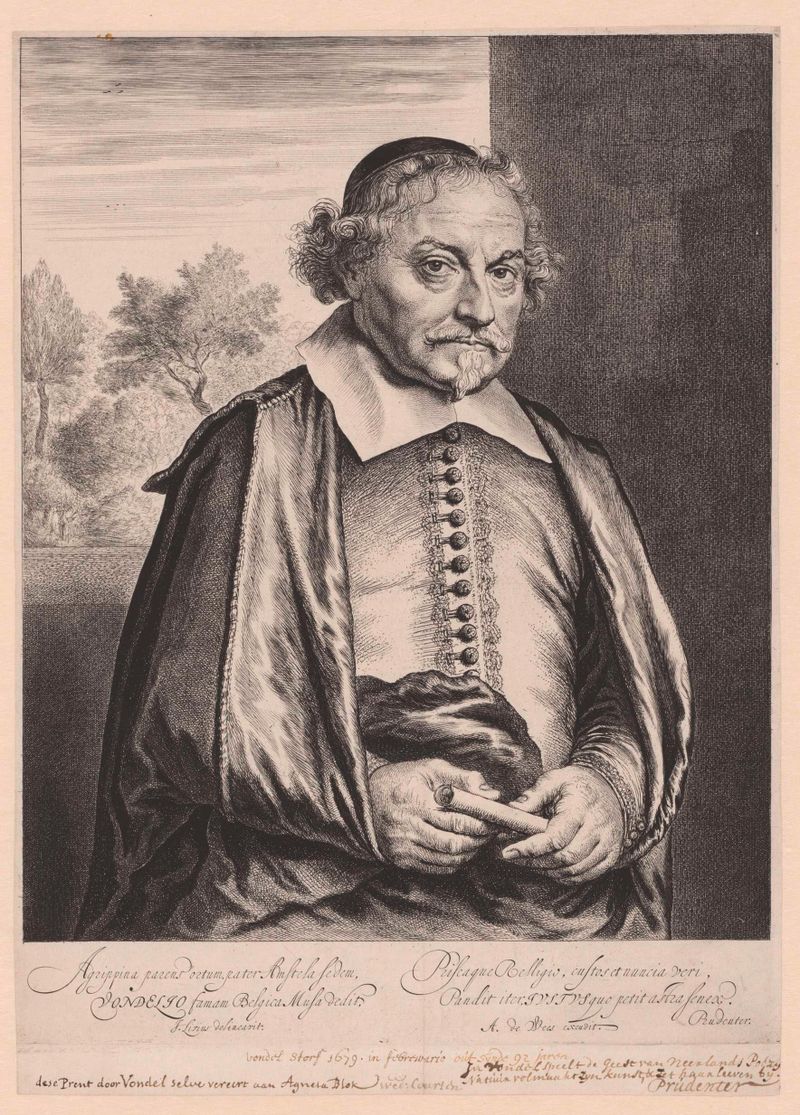
Portret van Joost van den Vondel
Jan Lievens

Portret van Joost van den Vondel
Jan Lievens
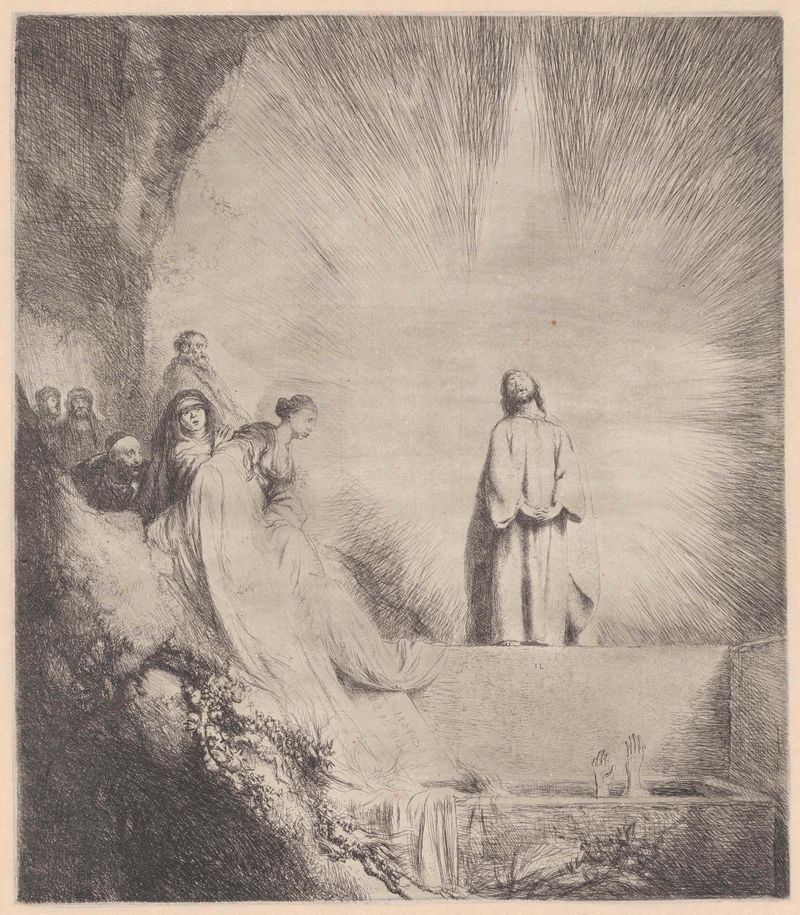
Opwekking van Lazarus
Jan Lievens
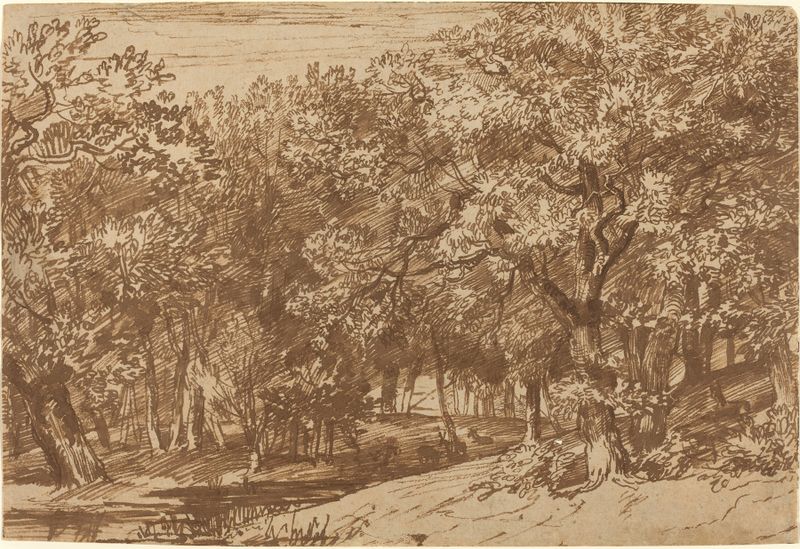
Deer Park
Jan Lievens
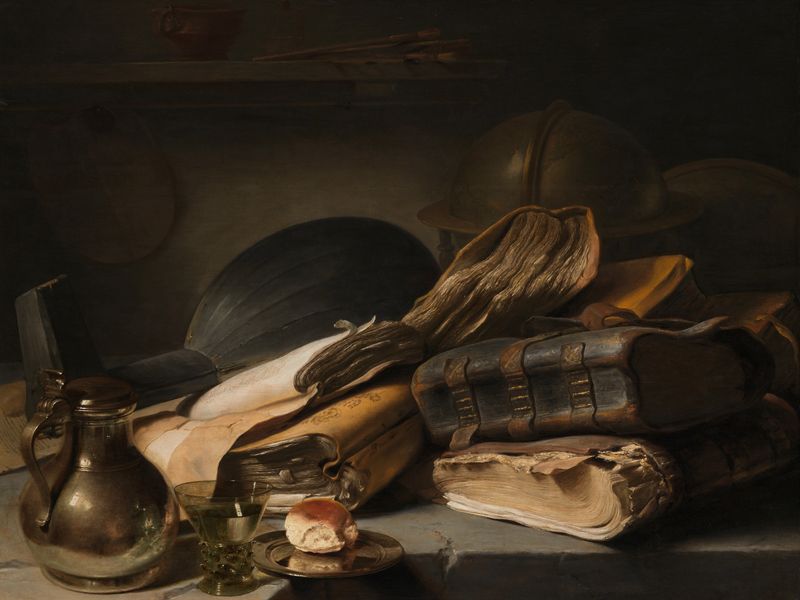
Still Life with Books
Jan Lievens
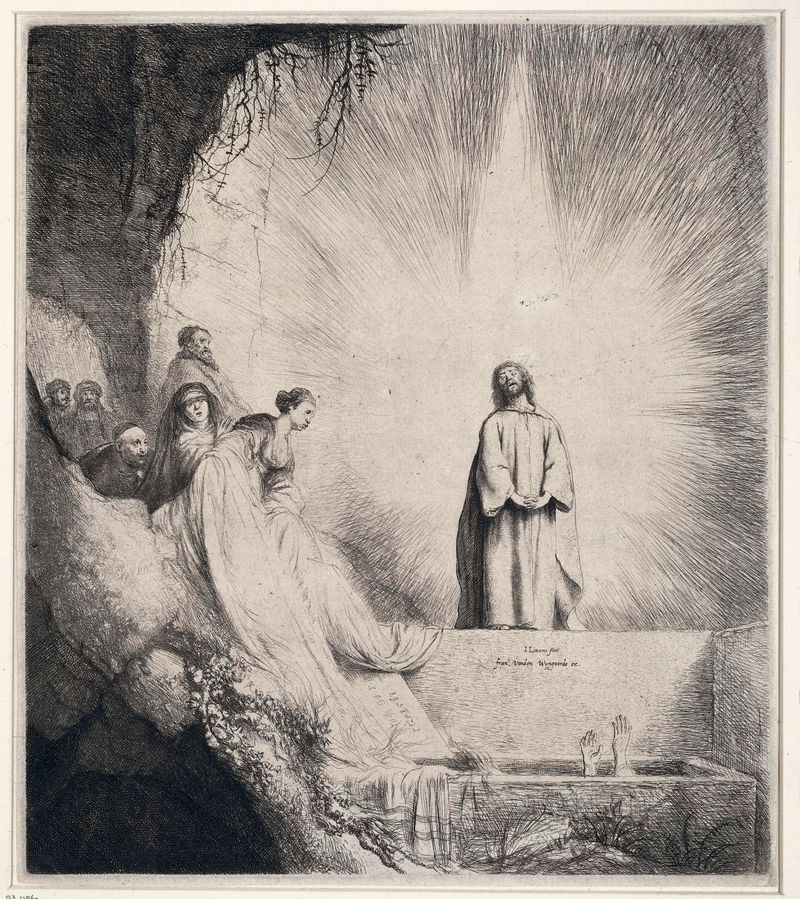
Opwekking van Lazarus
Jan Lievens
More Religious Art
Browse all →
The Return of the Prodigal Son
Rembrandt van Rijn

The Garden of Earthly Delights
El Bosco

Count Orgaz’ funeral
El Greco

The Hundred Guilder Print: the central piece with Christ preaching, the plate arched
Rembrandt van Rijn

The Descent from the Cross
Rogier van der Weyden

The return of the prodigal son
Rembrandt van Rijn