By the River — History & Facts
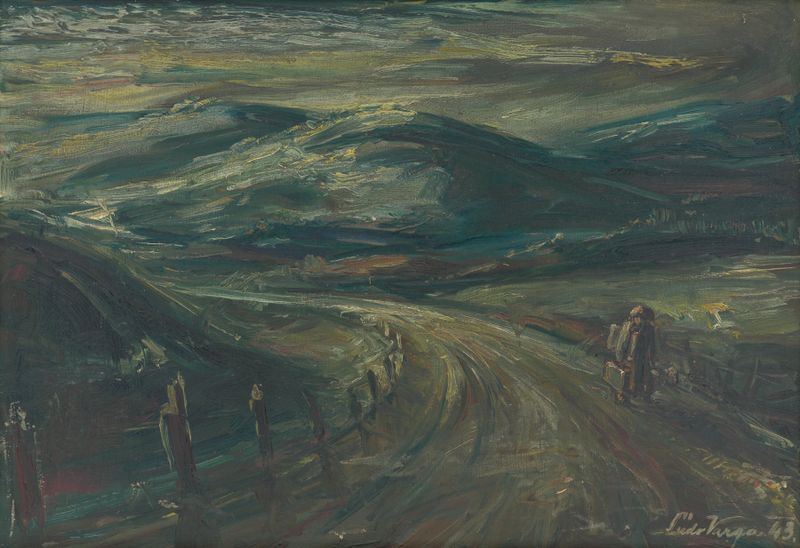
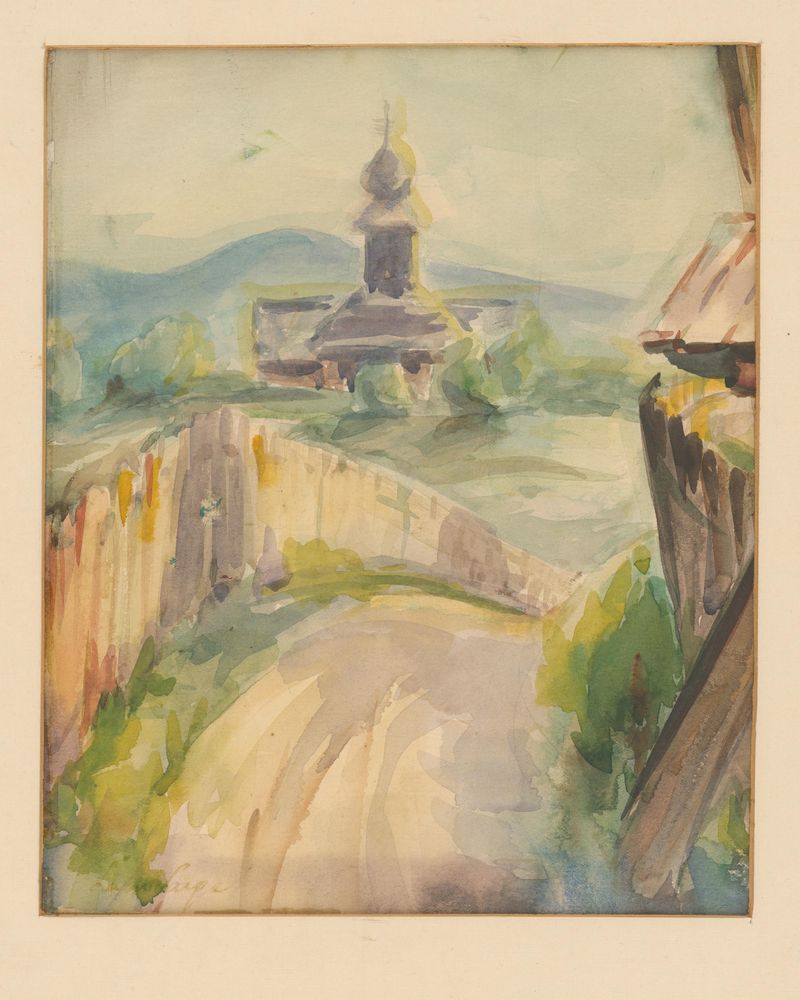
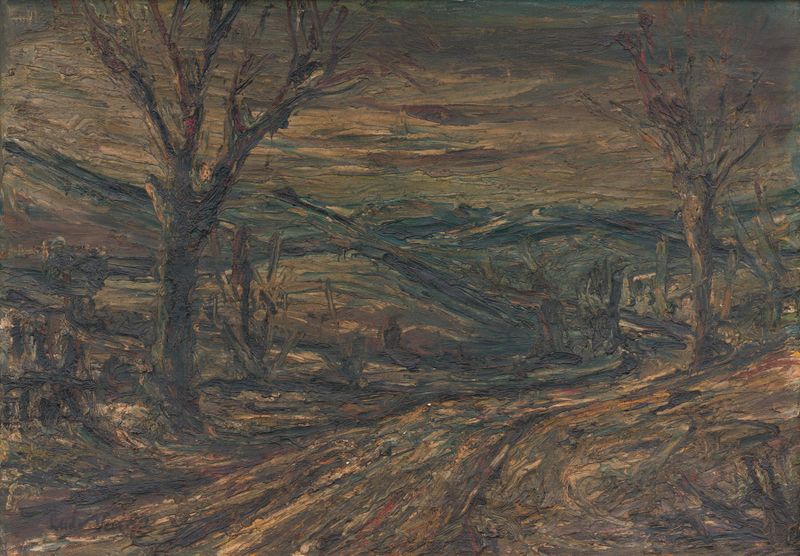
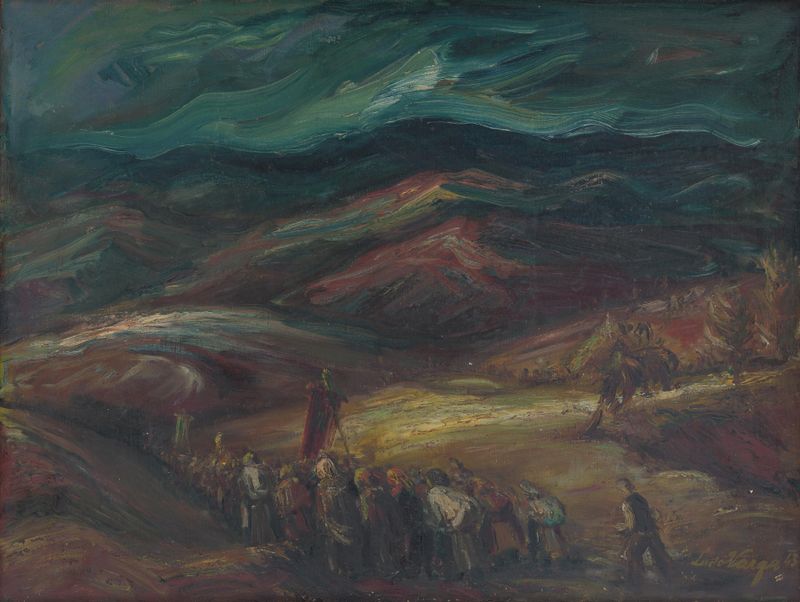
When did color learn to lie? In the intricate play of hues and shades, balance emerges as both an illusion and a profound truth. Look to the center of the canvas, where swirling blues and greens converge, creating a tranquil river that beckons the viewer’s gaze. The artist’s deft brushwork invites you to explore the subtle ripples, where the reflection of the surrounding landscape dances, blurring the line between reality and fantasy. Notice how the light spills across the water’s surface, casting flecks of gold that shimmer like fleeting moments, suggesting depth and serenity. Yet, beneath the calm waters lies an emotional undercurrent.
The juxtaposition of vibrant colors against darker, muted tones evokes a sense of tension—an unseen struggle between nature's beauty and the chaos of human existence. Each stroke, each blend, hints at stories untold, secrets held within the depths of the river. This interplay reveals not just a scene, but the delicate balance of joy and sorrow, the lightness of being juxtaposed with the weight of what is concealed beneath the surface. In the mid-20th century, during a time of turmoil in Europe, Ľudovít Varga painted this piece, likely reflecting his own experiences amid the upheaval of war and change.
Working in this period in Slovakia, he sought to capture the essence of tranquility amidst chaos, channeling his emotional landscape into what would become a moment of serene beauty—a testament to both his struggles and his artistry.