By The Water’s Edge, Loch Lomond, Scotland — History & Facts
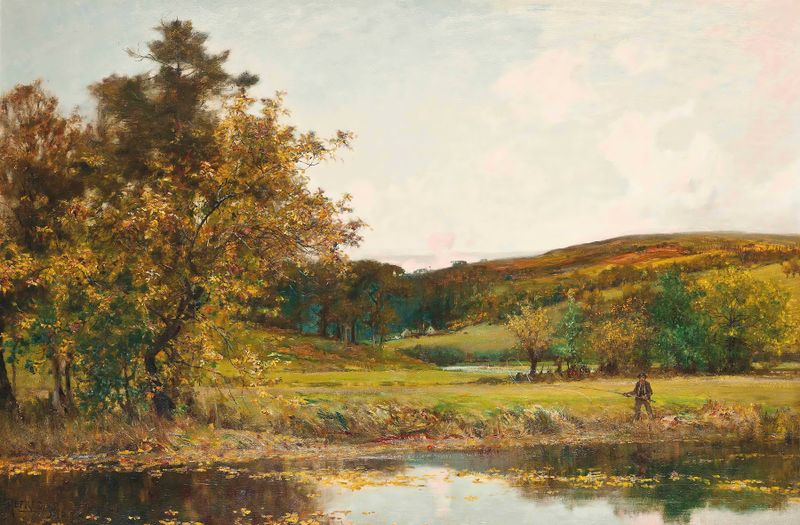
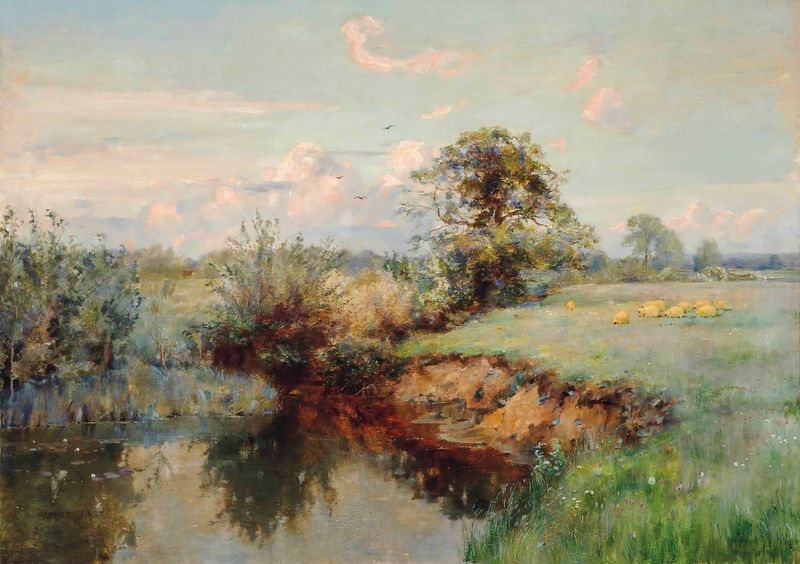
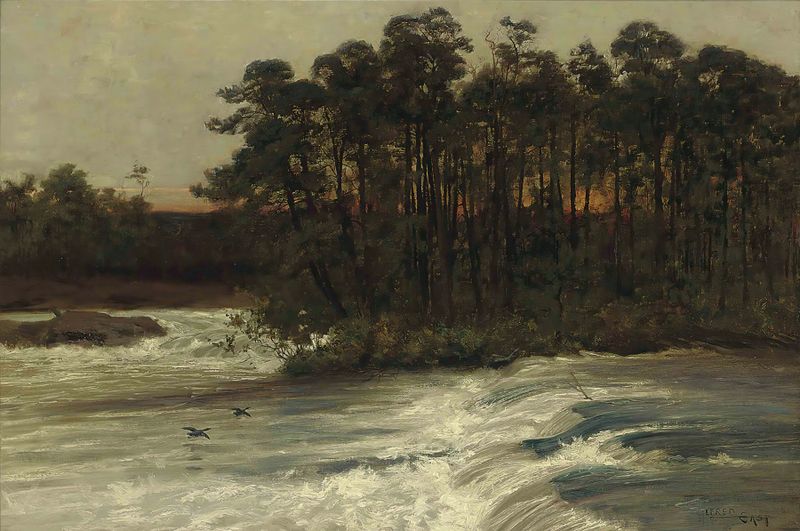
Could a single brushstroke hold eternity? In By The Water’s Edge, Loch Lomond, Scotland, the gentle union of land and water invites contemplation on the delicate balance of nature’s beauty and transience. Look to the left at the serene lake, its surface a mirror reflecting the fleeting hues of dusk. The painter employs soft, blended strokes to create an ethereal quality, where the gradient of blues and purples meld seamlessly into the warm tones of the setting sun. Notice how the horizon line is subtly defined by the gentle rise of distant hills, drawing the eye toward the tranquil center, while vibrant greens along the banks ground the composition in the lush life of the landscape. Within the interplay of colors lies a deeper narrative—a contrast between the fleeting moments of twilight and the enduring presence of the mountains that frame the scene.
The stillness of the water evokes a sense of serenity, yet hints at the inevitable passage of time, as shadows lengthen and daylight fades. This harmony between permanence and ephemerality speaks to a universal truth, reminding viewers of the delicate equilibrium found in nature and within ourselves. During the time this piece was created, Sir Alfred East was well-established as an artist, flourishing in the late 19th and early 20th centuries. His focus on landscapes corresponds with the broader Impressionist movement, which sought to capture fleeting moments and sensations.
This painting reflects not only his personal growth as an artist but also the era’s fascination with the sublime qualities of the natural world, especially within the idyllic settings of Scotland.