By the Yser — History & Facts
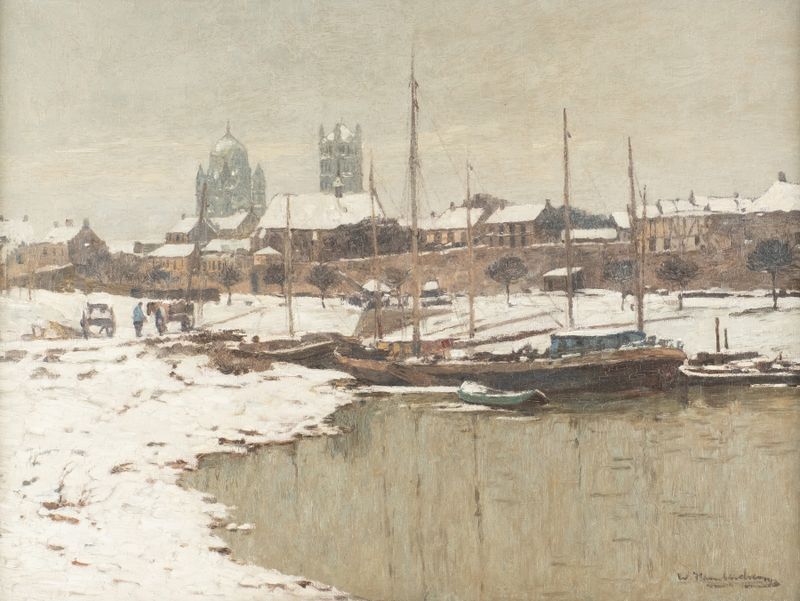
When did color learn to lie? In a world replete with the artifice of allure, it’s essential to question the deeper truths that lie beneath the surface of beauty. Focus first on the harmonious palette that envelops the canvas. The soft blues and greens invite you to wander through a tranquil landscape, while delicate brush strokes create an almost ethereal texture. The gentle play of light across the water reflects the sky, creating a serene fusion of nature and emotion.
Immediately, your gaze is drawn to the central figure, a solitary presence that embodies a poignant connection to the surrounding environment. Yet, as you contemplate this figure, consider the juxtaposition of solitude and serenity. The stillness of the water hints at a deeper, unspoken narrative—perhaps a longing or a moment of introspection. The bright reflections dance in contrast to the muted tones of the earth, encapsulating the tension between joy and melancholy.
It prompts a reflection on the nature of existence, beauty, and the quiet battles we all face beneath the surface. Created by Wilhelm Hambüchen in a period largely characterized by the exploration of emotion through color, this work emerges as a testament to the evolving landscape of post-impressionist thought. Although the exact date is unknown, Hambüchen was active during a time when the art world was deeply influenced by the interplay of light and color, responding to the broader societal shifts taking place in Europe. This painting reflects his mastery in capturing fleeting moments of beauty infused with weighty reflections.