Neuss in snow — History & Facts
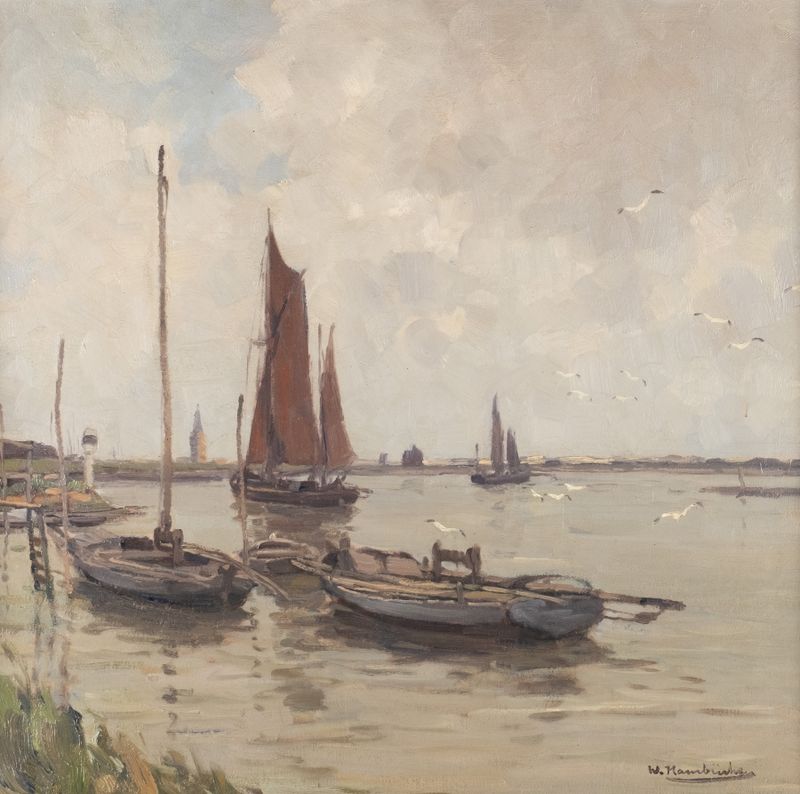
What secret hides in the quiet of the canvas? The stillness of snow blankets Neuss, transforming the familiar into a landscape of ethereal beauty, evoking a profound sense of ecstasy nestled within the serene silence. Look to the left at the gentle curve of the river, its surface reflecting the muted light of a pale winter sky. Notice how the brushstrokes convey a tactile softness, almost inviting you to touch the layers of snow resting on rooftops. The muted palette of whites, greys, and soft blues unifies the scene, while delicate details like the faint impressions of footsteps in the snow hint at fleeting human presence. This artwork beckons contemplation on themes of solitude and transience.
The stark contrast between the soft snow and the solidity of the structures suggests a moment suspended in time, where the vibrancy of life seems muted, yet it thrives in the unspoken. The elegance of the buildings stands juxtaposed against the delicate snow, symbolizing both permanence and impermanence, evoking feelings of nostalgia and peace. Wilhelm Hambüchen painted this piece during a period rich in artistic exploration, though the exact date remains uncertain. Active in the late 19th century, he was influenced by the growing appreciation for landscapes and the effects of light.
Amidst a backdrop of social change and evolving artistic movements, Hambüchen captured a moment that resonates with both personal introspection and the collective memory of winter’s embrace.