Cabbage Field In Front Of A Village — History & Facts
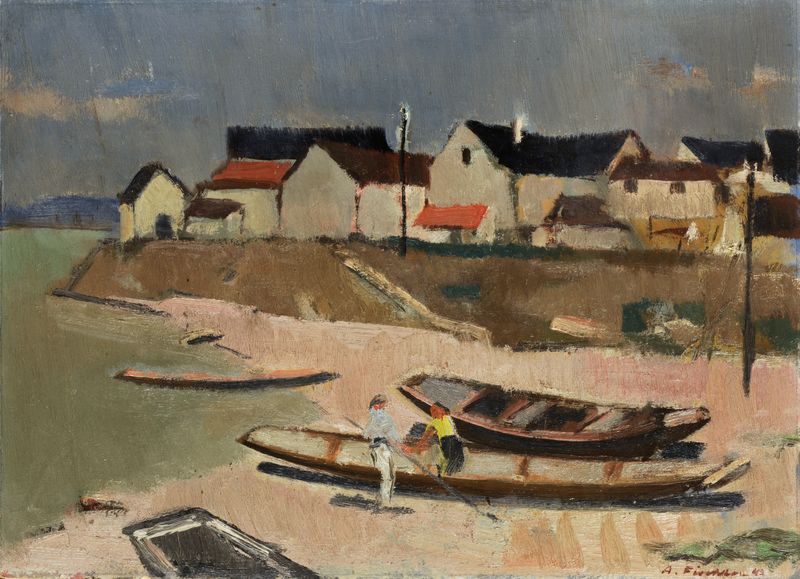
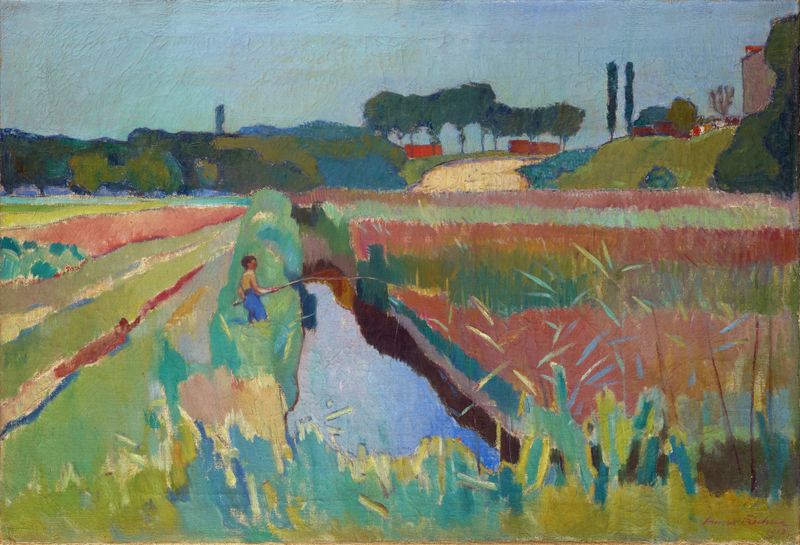
What secret hides in the quiet of the canvas? A field of cabbages stretches before a village, whispering tales of resilience and loss, inviting the viewer to ponder the stories that lie beneath the surface. Look to the foreground, where rows of tightly packed green cabbages create a rhythmic pattern, each leaf illuminated by soft, diffused light. The colors evoke a sense of calm—subtle greens and earthy browns flowing together, juxtaposed against the village that stands steadfast in the background. The artist’s brushwork conveys texture, inviting you to almost feel the coolness of the leaves.
Notice how the sky, painted in soft blues and grays, looms over the scene, casting a shadow of introspection over the tranquil landscape. This serene tableau belies an undercurrent of emotional tension. The village appears inhabited yet eerily still, suggesting a lingering absence or loss within the community. The cabbages, symbols of sustenance, juxtapose the emptiness that may haunt the villagers.
Each element—the crops, the houses, the muted sky—holds the weight of unspoken narratives, prompting reflections on what has been sacrificed for survival amidst hardship. In 1943, during World War II, Cabbage Field In Front Of A Village emerged as Arnold Fiechter navigated his own experiences of displacement and loss. Living in Germany, where the consequences of the war were profoundly felt, his artwork resonated with the collective memory of communities grappling with survival. This piece reflects a moment in art history where landscapes served not just as depictions of nature, but as profound statements on human resilience in the face of grief.