
Caernarvon (Castle) — History & Facts
In the stillness of a moment, we confront the delicate balance between reality and illusion, where the frame becomes a doorway into a world of intricate splendor. Look closely at the left side of the composition, where the castle towers rise majestically against a softening sky. Weld’s meticulous brushwork captures the texture of the ancient stone, revealing shadows that dance with the fading light. The palette shifts from bold greys to warm ochres, inviting your gaze across the rugged battlements and down towards the placid waters that reflect the grandeur above.
Each stroke reveals not just the structure, but the very essence of enduring strength. Delve deeper into the painting, and you’ll uncover layers of symbolism. The carefully rendered light falling on the castle hints at both its historical significance and the passage of time. The still water, mirroring the fortress, evokes a sense of permanence while suggesting the fleeting nature of memory.
There’s a tension between the solidity of the castle and the fluidity of the reflection, a poignant reminder of how we perceive our own histories — solid yet transient, real yet illusory. In 1809, Weld was immersed in the artistic milieu of England, a time when Romanticism was shaping perceptions of nature and heritage. Creating Caernarvon (Castle) during his travels, he captured not just a landmark but the atmosphere of nostalgia that enveloped a nation grappling with its past. This painting emerged as a reflection of an age when artists began to explore the interplay of reality and imagination, reshaping the landscape of art itself.
More Artworks by Isaac Weld
Browse all →
View of Mount Vernon, the seat of General Washington
Isaac Weld

View of Niagara Falls with Two Figures Sitting on a Rock Center Foreground
Isaac Weld
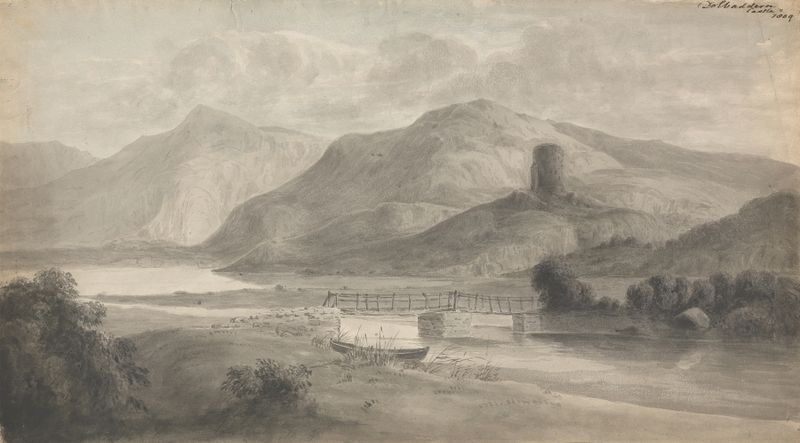
Dolbadarn Castle (North Wales)
Isaac Weld

View of Niagara Falls with Two Figures on Rock in Right Foreground
Isaac Weld
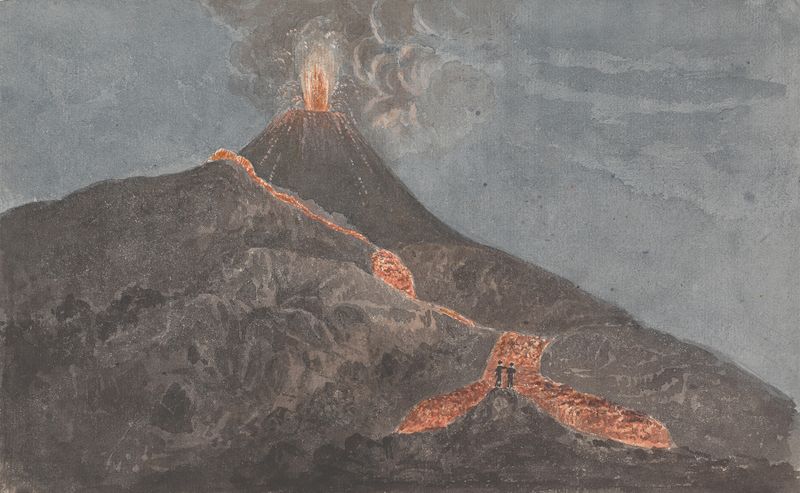
Vesuvius in Eruption
Isaac Weld
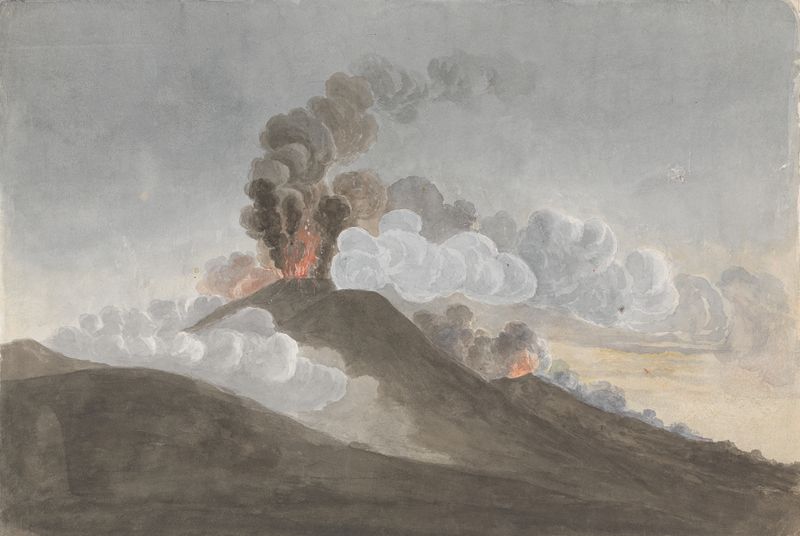
Vesuvius in Eruption.
Isaac Weld
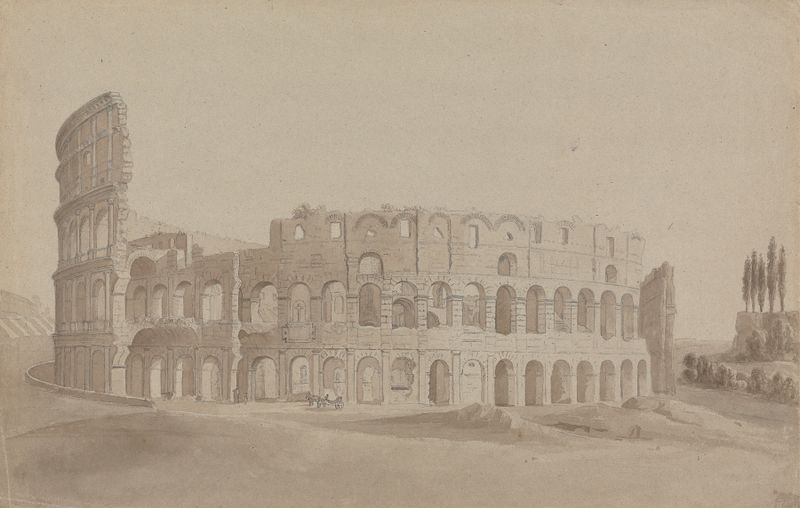
The Colosseum, Rome
Isaac Weld
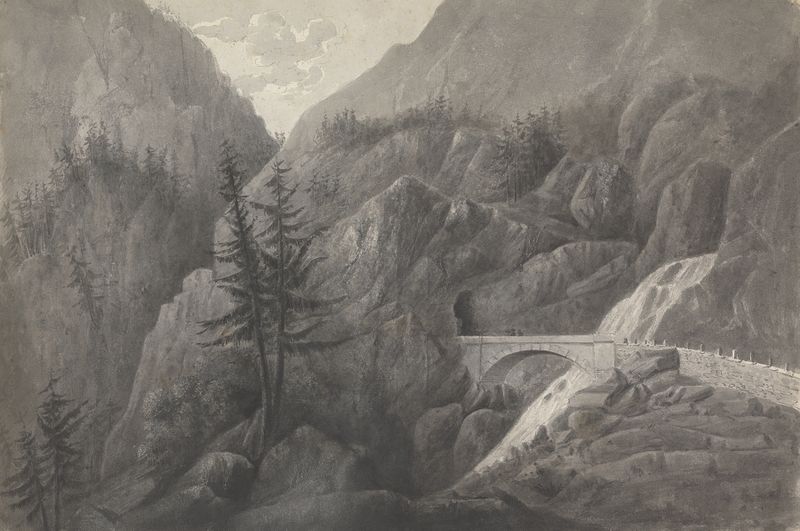
Simplon (Switzerland)
Isaac Weld
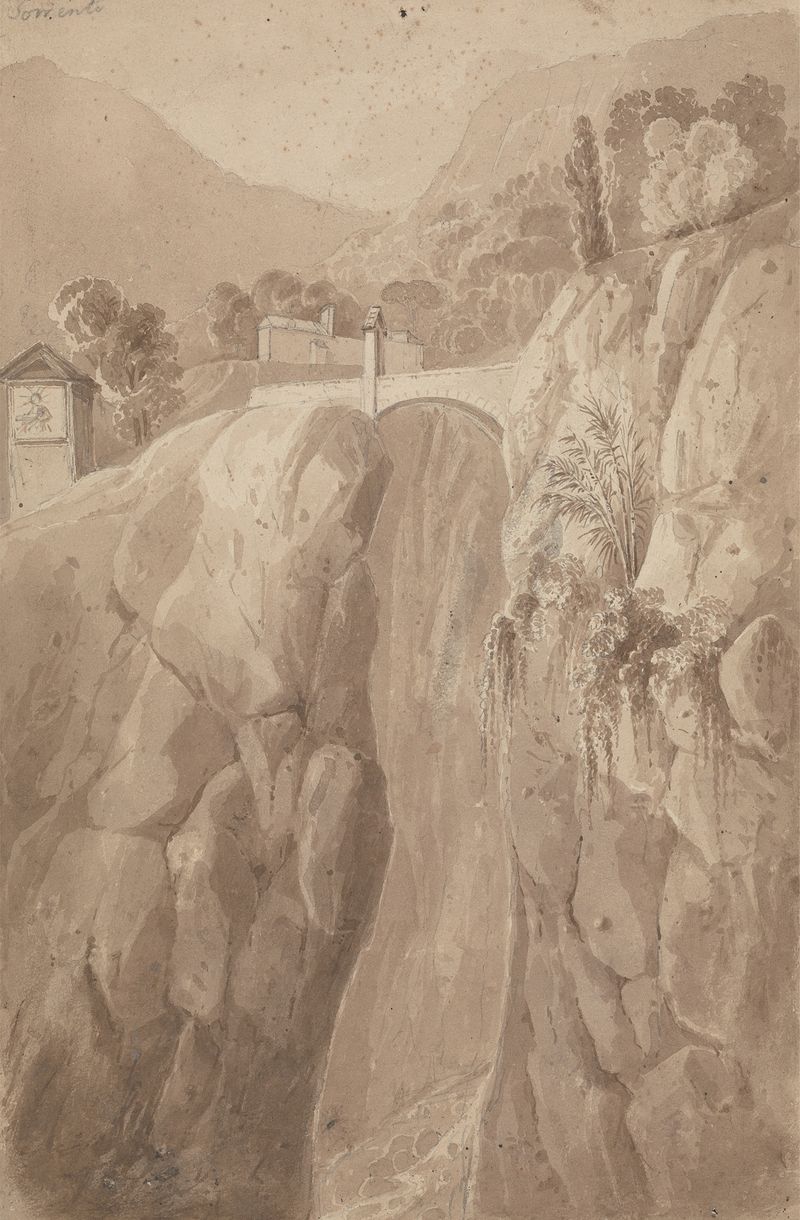
Sorrento
Isaac Weld
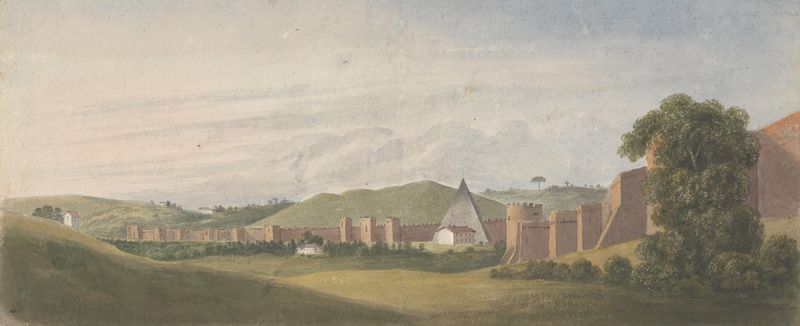
Walls of Rome; The Aurelian Wall, with the Pyramid of Cestius
Isaac Weld
More Architecture Art
Browse all →
The statue of Liberty
Frédéric Auguste Bartholdi

View of Houses in Delft, Known as ‘The Little Street’
Johannes Vermeer

View of Houses in Delft, Known as ‘The Little Street’
Johannes Vermeer

The Cathedral in Rouen. The portal, Grey Weather
Claude Monet

The yellow house
Vincent van Gogh

The Church in Auvers-sur-Oise, View from the Chevet
Vincent van Gogh