
The Colosseum, Rome — History & Facts
Is this a mirror — or a memory? The once-mighty Colosseum stands as a testament to time, suggesting both grandeur and the inevitable decay that follows greatness. Look to the foreground where the ancient stones rise defiantly against the sky, their weathered surfaces telling stories of centuries past. Notice how the artist skillfully employs a muted palette, blending ochres and grays, to convey the weight of history. Light spills through the arches, casting soft shadows that dance across the crumbling facade, inviting you to explore the layers of its architectural beauty while hinting at the fragility of human accomplishment. Upon closer inspection, small details emerge, revealing emotional tensions.
The cracks in the stones are not merely imperfections but echoes of lost eras, whispering tales of gladiators and spectators long gone. The juxtaposition of grandeur and ruin speaks volumes about the passage of time: the proud monument is now a relic, caught between memory and decay, evoking a bittersweet sense of nostalgia. Here, Weld invites viewers to reflect on their own fleeting existence amid this historical monument. In 1818, Isaac Weld painted this scene during a time of great interest in classical antiquity, as the Romantic movement was in full swing.
Living in England, Weld traveled extensively, capturing the essence of Europe’s historical landmarks. His work reflects not only a fascination with the past but also a cultural moment that sought to reconcile beauty with the inevitable decline that comes with age.
More Artworks by Isaac Weld
Browse all →
View of Mount Vernon, the seat of General Washington
Isaac Weld

Caernarvon (Castle)
Isaac Weld

View of Niagara Falls with Two Figures Sitting on a Rock Center Foreground
Isaac Weld
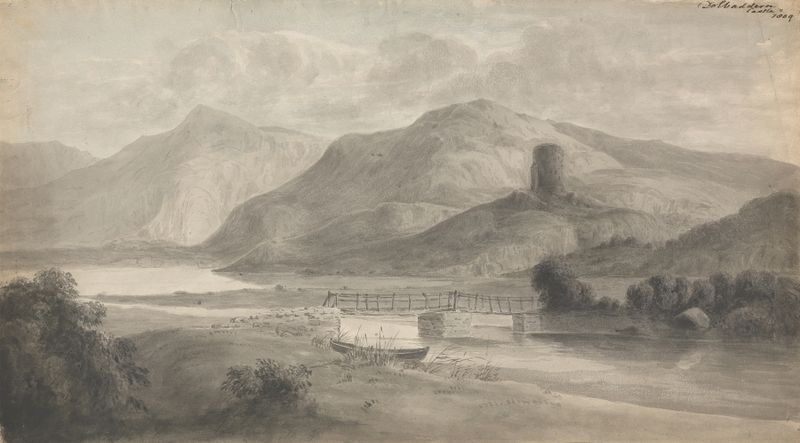
Dolbadarn Castle (North Wales)
Isaac Weld

View of Niagara Falls with Two Figures on Rock in Right Foreground
Isaac Weld
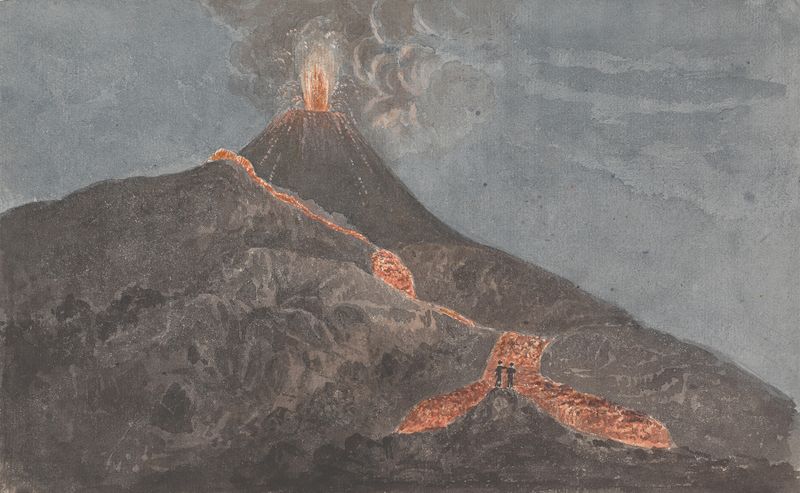
Vesuvius in Eruption
Isaac Weld
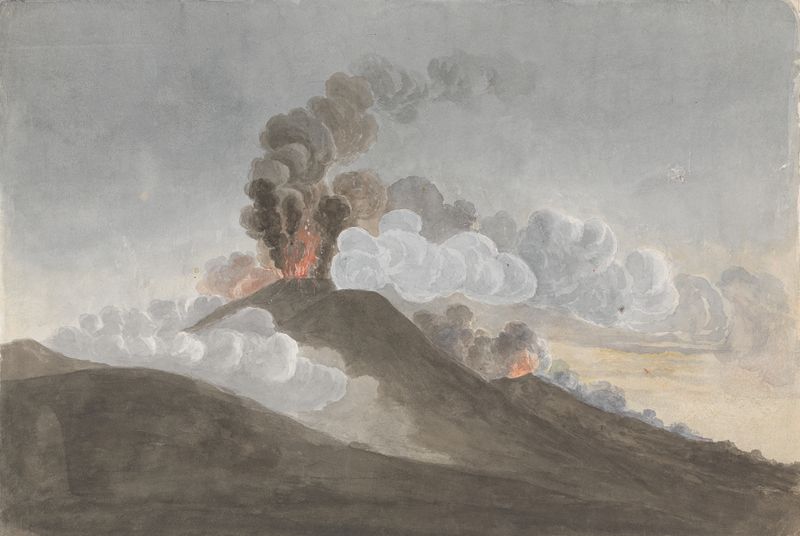
Vesuvius in Eruption.
Isaac Weld
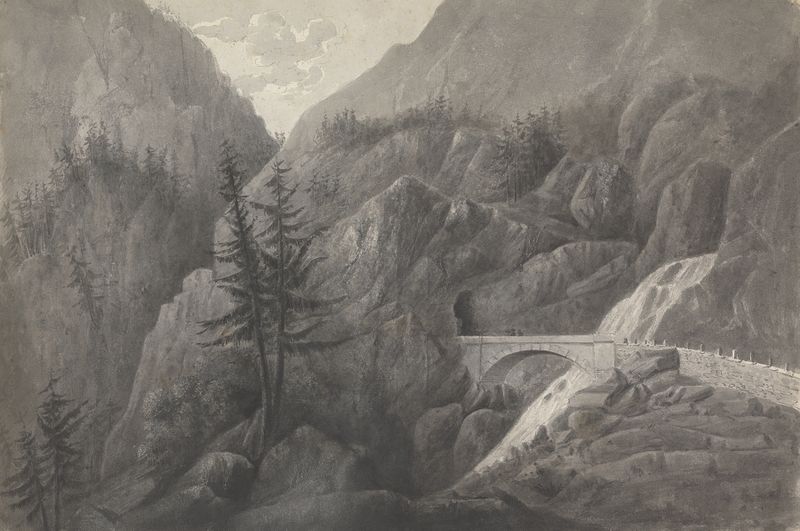
Simplon (Switzerland)
Isaac Weld
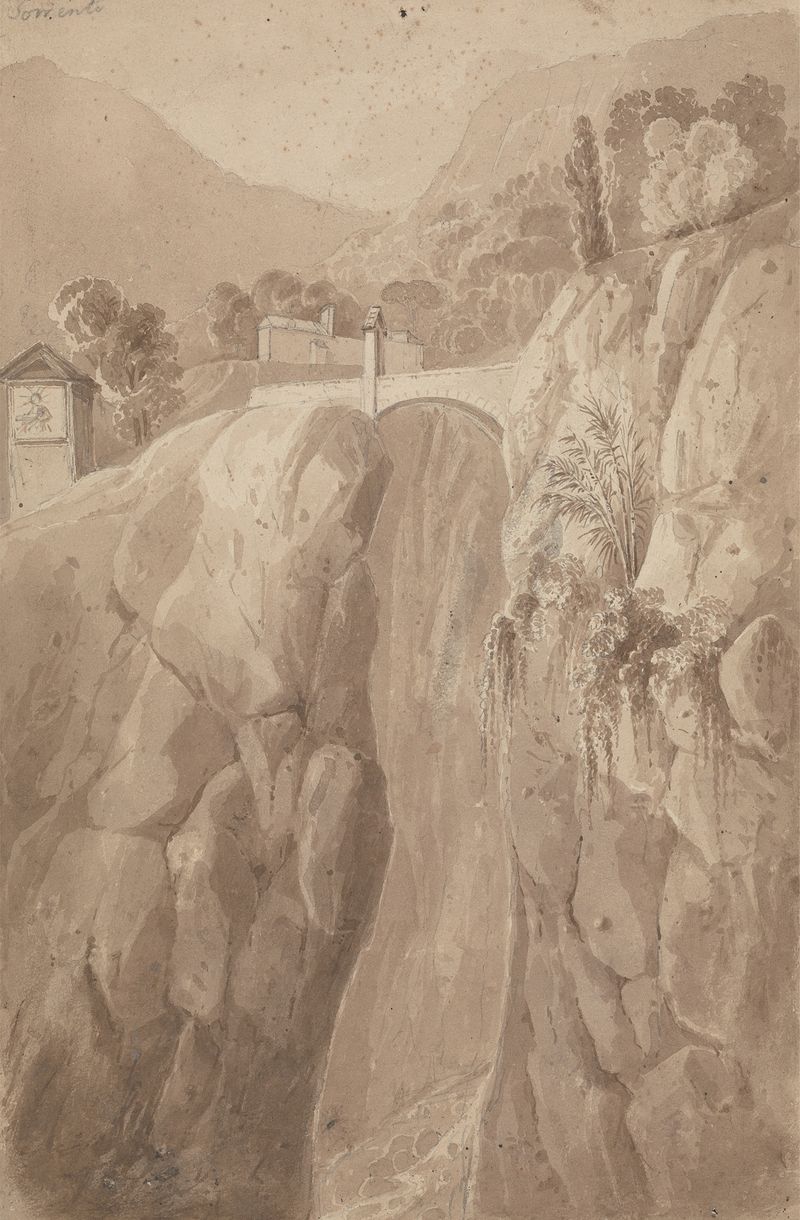
Sorrento
Isaac Weld
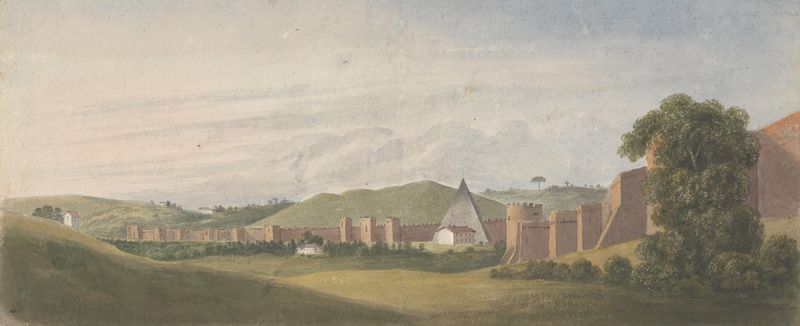
Walls of Rome; The Aurelian Wall, with the Pyramid of Cestius
Isaac Weld
More Architecture Art
Browse all →
The statue of Liberty
Frédéric Auguste Bartholdi

View of Houses in Delft, Known as ‘The Little Street’
Johannes Vermeer

View of Houses in Delft, Known as ‘The Little Street’
Johannes Vermeer

The Cathedral in Rouen. The portal, Grey Weather
Claude Monet

The yellow house
Vincent van Gogh

The Church in Auvers-sur-Oise, View from the Chevet
Vincent van Gogh