
Calais Sands — History & Facts
Every brushstroke is a heartbeat remembered. In Calais Sands, the delicate interplay of light and shadow invites us to ponder the quiet equilibrium between nature and human presence. Look to the horizon where the sky meets the calm sea, a gentle gradient from pale azure to deeper indigo. Notice how the finely detailed grains of sand create a textured foreground, leading the eye towards a distant figure whose silhouette stands solitary against the vastness.
Francia’s mastery of light is evident; the silvery sunbeams glint off the water, casting an ethereal glow that enhances the painting’s tranquility while evoking a longing for connection and exploration. The contrasting elements of land and water convey a sense of balance, yet tension simmers beneath the surface. The solitary figure, seemingly lost in contemplation, embodies both isolation and the allure of adventure that the coastline offers. Additionally, the light reflecting off the gentle waves hints at hope and possibility, revealing the inherent duality of peace and yearning that defines the human experience. In 1831, when this piece was crafted, Francia was deeply influenced by the Romantic movement, which emphasized emotion and sublime landscapes.
Living in France during a time of significant social change, he sought solace in painting idyllic scenes that connected viewers to nature. This artwork reflects his artistic pursuit for balance between the tumult of the world around him and the serene beauty found within it.
More Artworks by François Louis Thomas Francia
Browse all →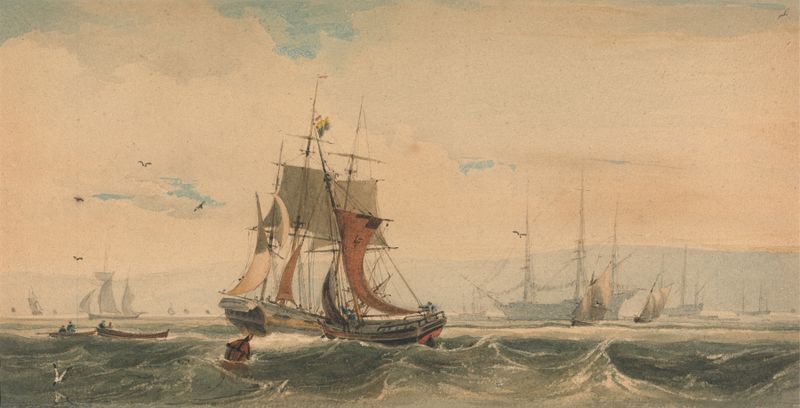
Shipping on the Medway, Kent
François Louis Thomas Francia
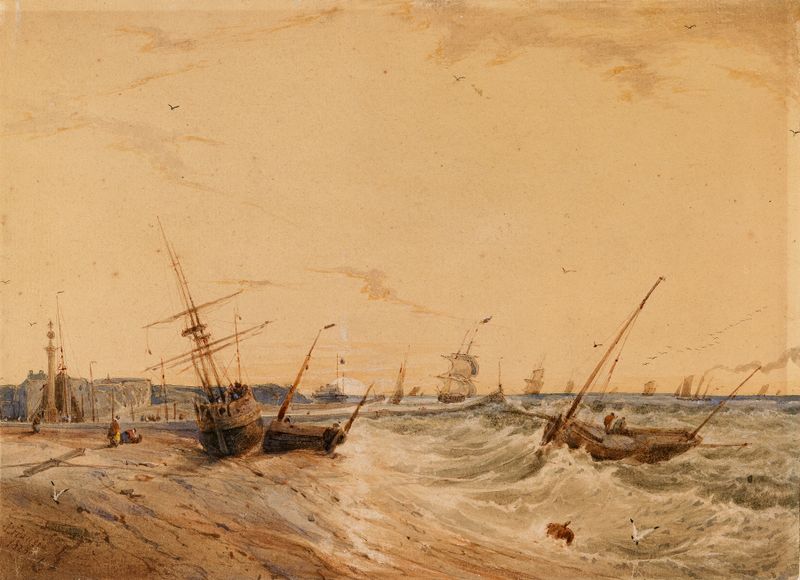
Calais Harbour
François Louis Thomas Francia

Boulogne Harbour
François Louis Thomas Francia
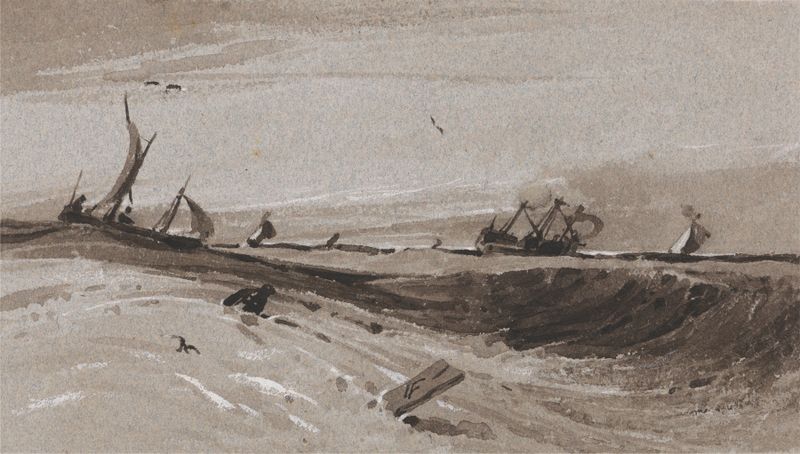
A Stormy Sea, Evening
François Louis Thomas Francia

A French Canal Scene
François Louis Thomas Francia
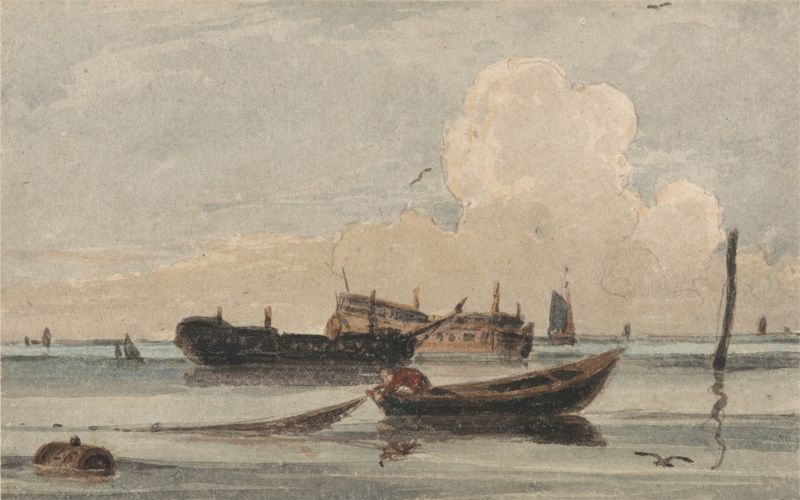
Boats on a Calm Sea
François Louis Thomas Francia
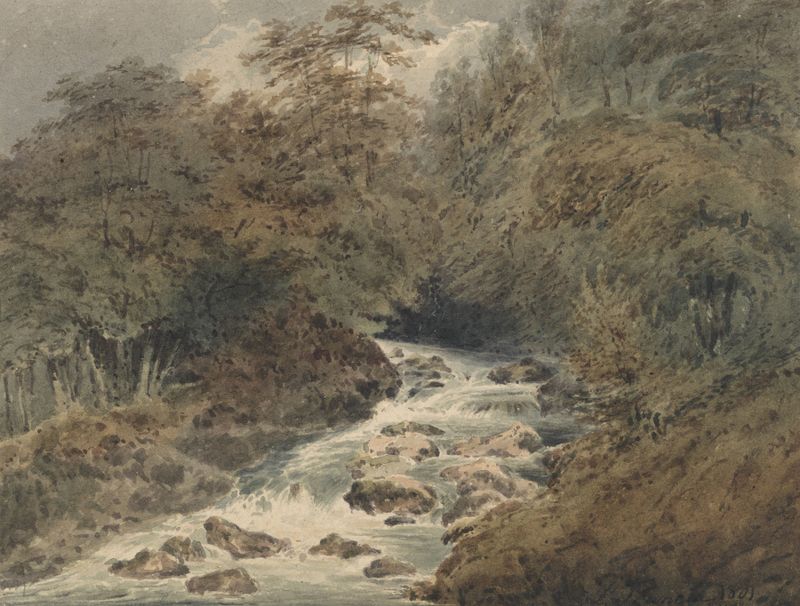
A Mountain Stream
François Louis Thomas Francia
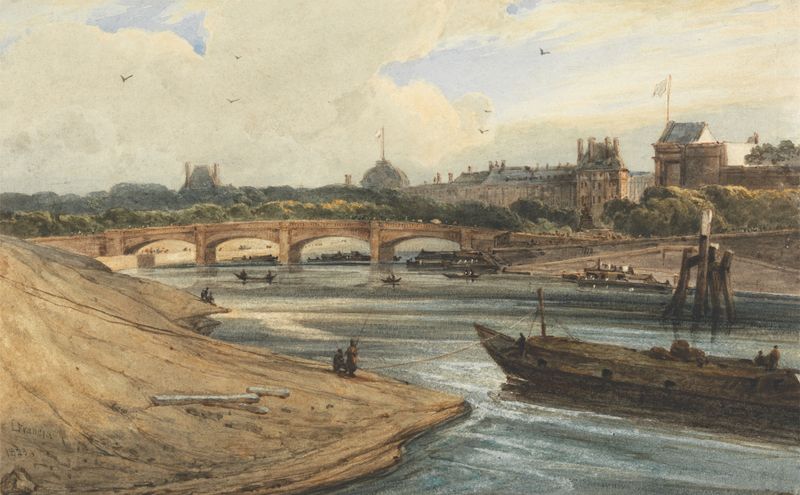
The Pont de la Concorde and Tuileries Palace from the Cours la Reine
François Louis Thomas Francia

Schepen voor de haven van Vlissingen
François Louis Thomas Francia

Wrak op hoge golven
François Louis Thomas Francia





