
Wrak op hoge golven — History & Facts
In Wrak op hoge golven, the tumult of nature is transformed into a breathtaking dance of color and form, inviting viewers into a world where awe and turbulence coexist. Look to the center, where the ship, battered and broken, fights against the towering waves. The swirling blues and greens of the ocean create a powerful backdrop that almost engulfs the vessel, while the foamy whites of the surf cascade dramatically over the ship’s hull. Notice how the artist’s brushwork gives life to the water, each stroke a testament to the chaos of the storm, yet simultaneously infused with a vivid beauty.
The contrast between the darkened sky and the illuminated waves captures the viewer's eye, evoking both despair and resilience. Hidden within the tempest are themes of struggle and survival, as the ship stands defiantly against nature’s wrath. The tension in the composition is palpable; the viewer senses the imminent danger, yet also the relentless spirit that drives the ship’s crew. Small details, like the splintering wood or the crests of waves, speak to the fragility of life at sea, embodying a profound respect for the forces that shape human existence.
Each element, from the tumultuous sky to the battered craft, intertwines to reveal a deeper narrative of endurance amid chaos. François Louis Thomas Francia painted Wrak op hoge golven during a period of transition in his career, around the early 1800s. Living in the Netherlands, he was influenced by the Romantic movement, which emphasized emotion and nature's sublime power. As he honed his craft, the artist sought to merge his fascination with maritime subjects and the raw beauty of the natural world, reflecting both personal and societal turbulence of the time.
More Artworks by François Louis Thomas Francia
Browse all →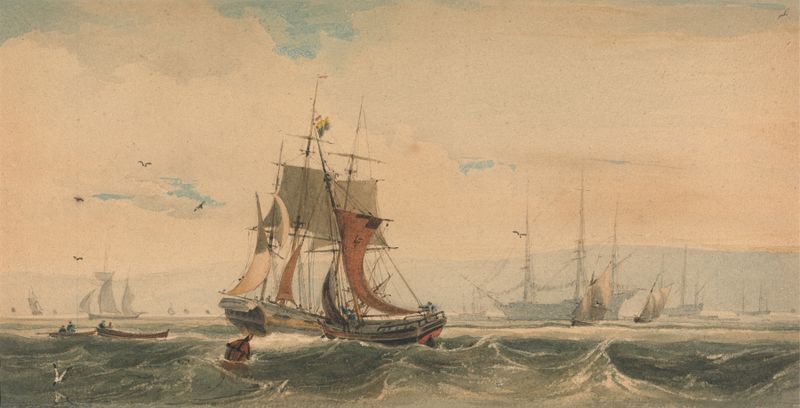
Shipping on the Medway, Kent
François Louis Thomas Francia
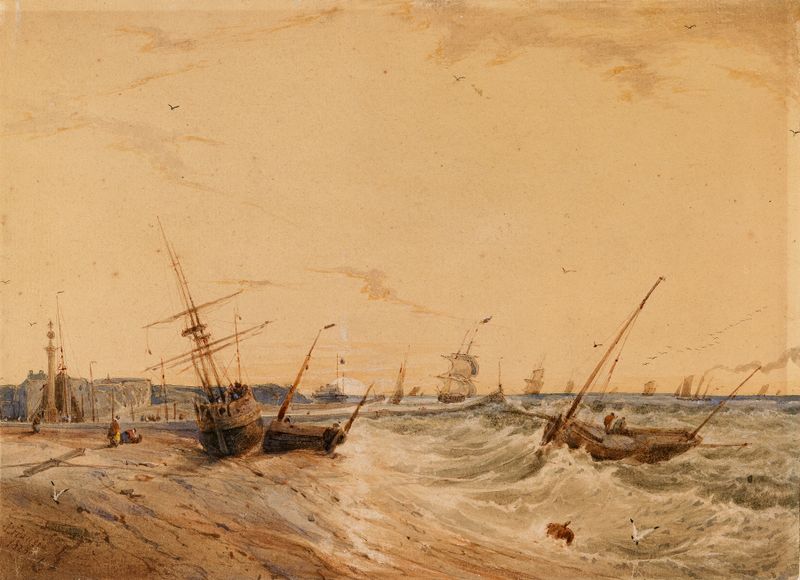
Calais Harbour
François Louis Thomas Francia

Boulogne Harbour
François Louis Thomas Francia
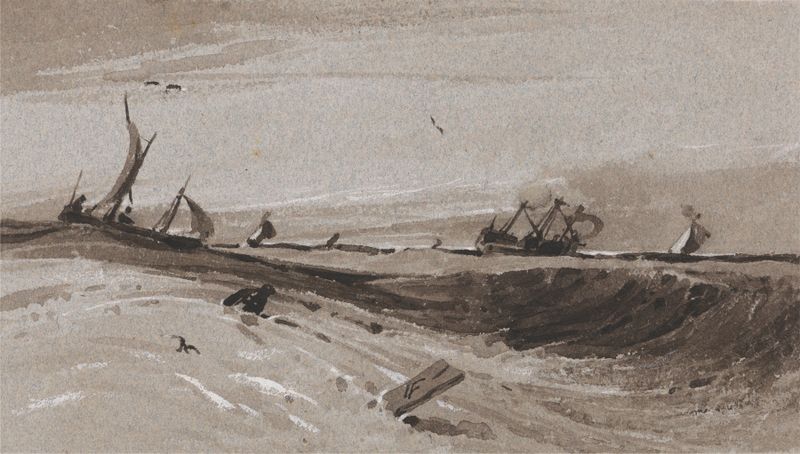
A Stormy Sea, Evening
François Louis Thomas Francia

A French Canal Scene
François Louis Thomas Francia
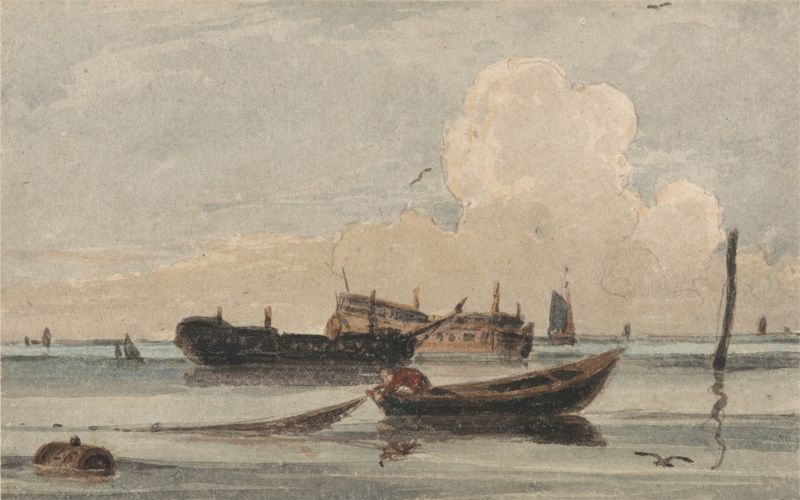
Boats on a Calm Sea
François Louis Thomas Francia
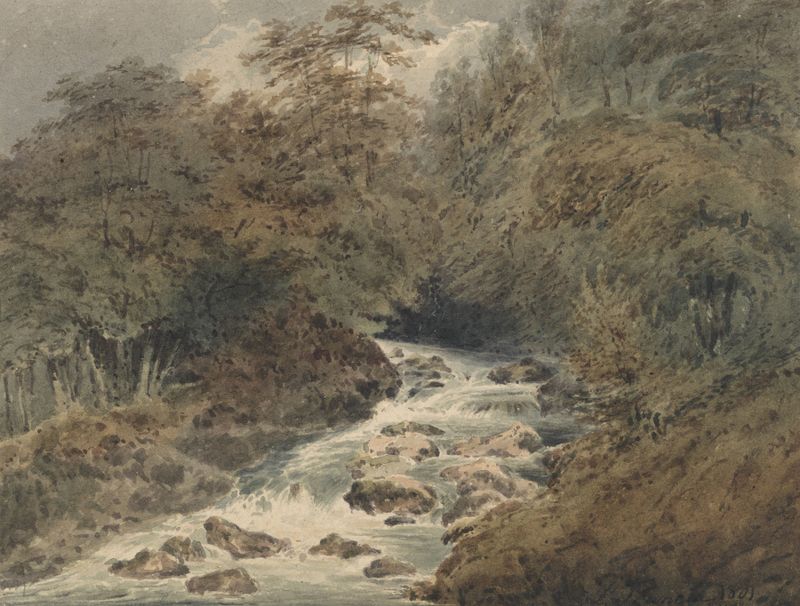
A Mountain Stream
François Louis Thomas Francia
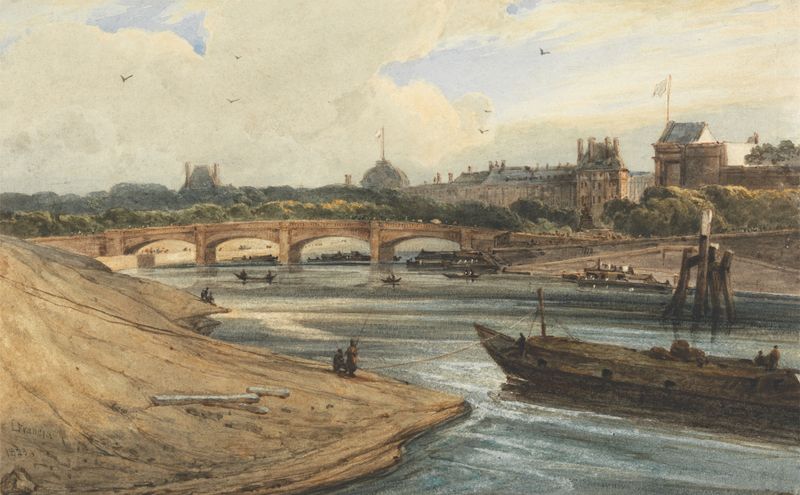
The Pont de la Concorde and Tuileries Palace from the Cours la Reine
François Louis Thomas Francia

Schepen voor de haven van Vlissingen
François Louis Thomas Francia
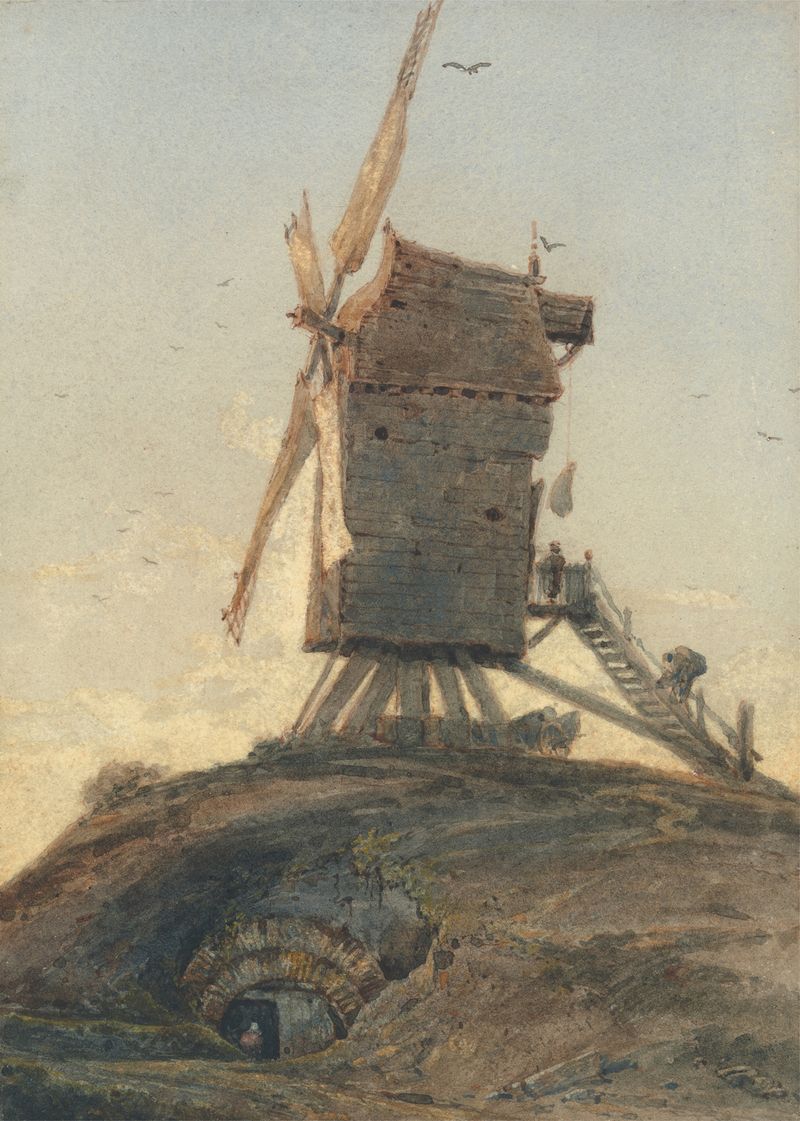
Windmill on a Knoll in a Landscape
François Louis Thomas Francia





