
Calanque d’En Vau — History & Facts
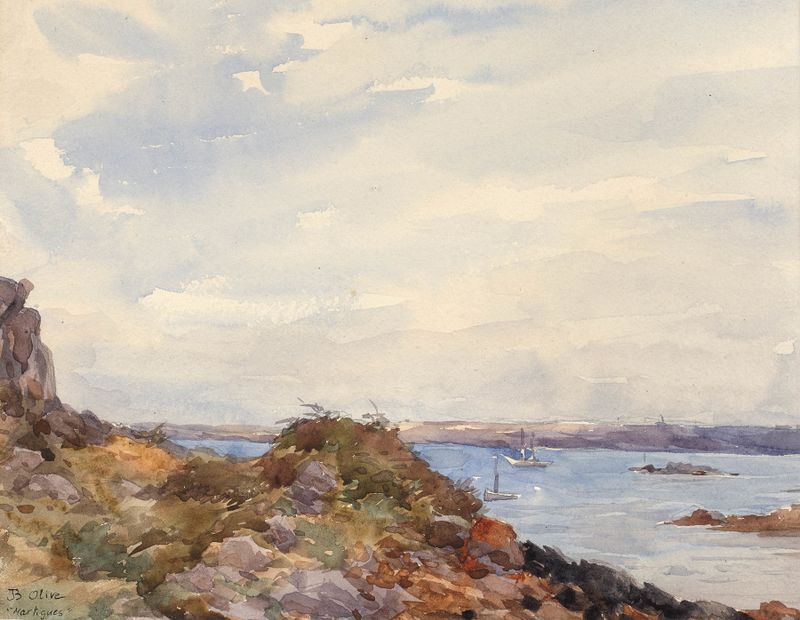
In the delicate interplay of light and shadow, a fragile world emerges within the canvas, encapsulating the essence of transience and beauty. Focus on the vibrant blues that dominate the landscape, where the azure sea meets the craggy cliffs. The artist's deft use of brushwork creates a texture that invites the viewer to trace the contours of the rocky formations, while dappled sunlight dances across the surface, illuminating the depths of the water below. Notice how the subtle variations in green foliage contrast with the starkness of the rocky terrain, inviting contemplation about the interplay of life and nature’s formidable structures. Hidden within the scene are whispers of fragility and permanence.
The tranquil water, though seemingly serene, holds the weight of unseen currents beneath, symbolizing the tumultuous emotions that often lie beneath a calm exterior. Olive’s meticulous attention to detail highlights the vulnerability of the natural landscape, as if the cliffs, weathered by time, stand as guardians of ephemeral beauty. This tension between solidity and fragility speaks to the viewer’s heart, urging a reflection on the fleeting moments of life. During a period of artistic exploration in the late 19th century, the artist found inspiration in the Mediterranean landscapes, particularly near the Calanques of southern France.
While little is definitively recorded about his life at the time, Olive was part of an artistic movement that sought to capture the raw beauty of nature, paving the way for future impressionists. This painting exemplifies his technical prowess and deep appreciation for the delicate balance of the natural world.
More Artworks by Jean-Baptiste Olive
Browse all →
L’entrée du Vieux-Port vue des jardins du Pharo
Jean-Baptiste Olive

Marseille ; entrée du Vieux port
Jean-Baptiste Olive
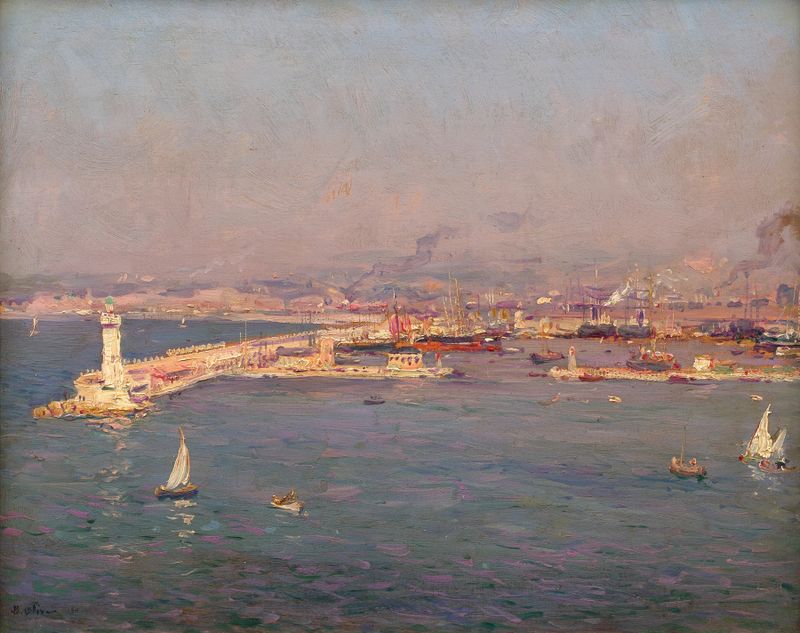
Marseille ; entrée du port de la Joliette
Jean-Baptiste Olive
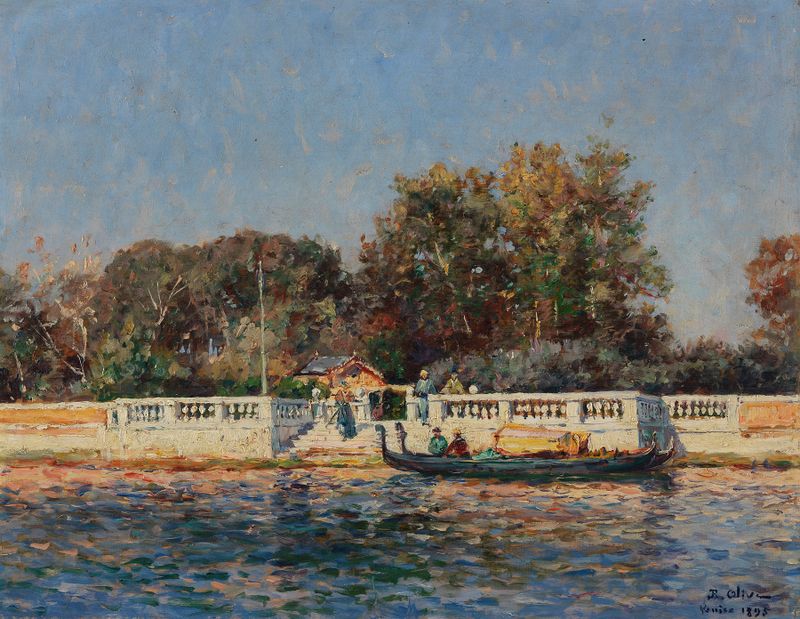
The public park in Venice
Jean-Baptiste Olive
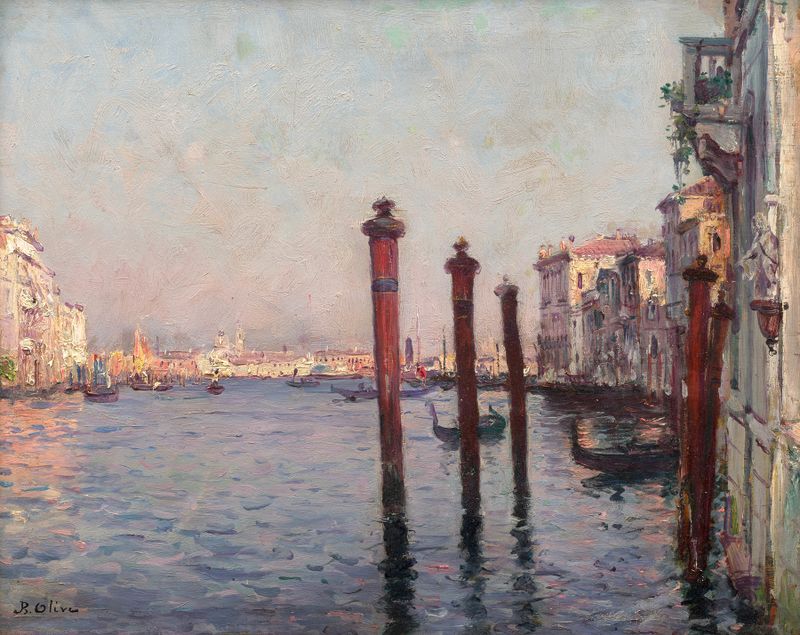
Venise, le Grand Canal
Jean-Baptiste Olive

La flotte russe à Villefranche
Jean-Baptiste Olive
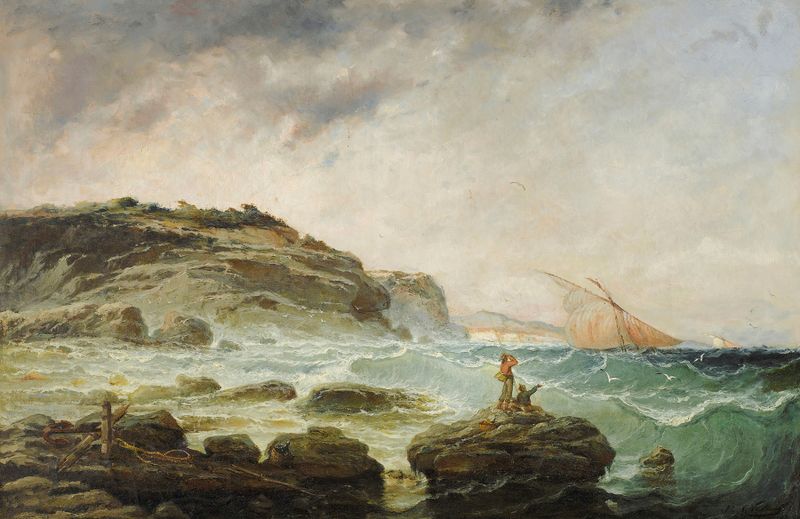
Rough sea around Marseille
Jean-Baptiste Olive
Voiliers dans la baie de Martigues
Jean-Baptiste Olive

Les environs de Marseille
Jean-Baptiste Olive

Le Cabanon de Mr Borel sur la corniche
Jean-Baptiste Olive





