
Venise, le Grand Canal — History & Facts
In the stillness of Venise, le Grand Canal, the weight of absence seeps into the vibrant colors and gentle ripples of water, evoking a profound sense of loss. This painting invites the viewer to confront the stillness and beauty of a world that feels eerily quiet, where emotions linger like shadows beneath the sunlit surface. Focus first on the soft hues that wash across the canvas—gentle greens and blues that capture the essence of the Venetian landscape. The light dances on the water, illuminating the buildings that lean gracefully along the Grand Canal.
Notice how Olive employs rich textures to bring life to the reflections, creating an almost dreamlike quality that blurs the line between reality and memory. Each stroke whispers stories of a city both celebrated and mourned, suspended in time. Delve deeper into the contrasts present within the painting—the serene water juxtaposed against the ornate architecture, the vibrant life of the canal overshadowed by an underlying melancholy. Consider the absence of figures; what could have been bustling activity is replaced by a haunting solitude that evokes the feeling of loss.
The stillness of the scene suggests a longing for connection, whispering of stories left untold, moments that have passed, and the echoes of laughter now silenced. Jean-Baptiste Olive painted Venise, le Grand Canal during a time when he was deeply immersed in the study of light and atmosphere, likely influenced by the Impressionist movement. While the exact date remains unrecorded, it reflects his fascination with capturing the fleeting beauty of natural landscapes, a response to the transformative power of art during a period marked by exploration and emotional depth in the world around him.
More Artworks by Jean-Baptiste Olive
Browse all →
L’entrée du Vieux-Port vue des jardins du Pharo
Jean-Baptiste Olive

Calanque d’En Vau
Jean-Baptiste Olive

Marseille ; entrée du Vieux port
Jean-Baptiste Olive
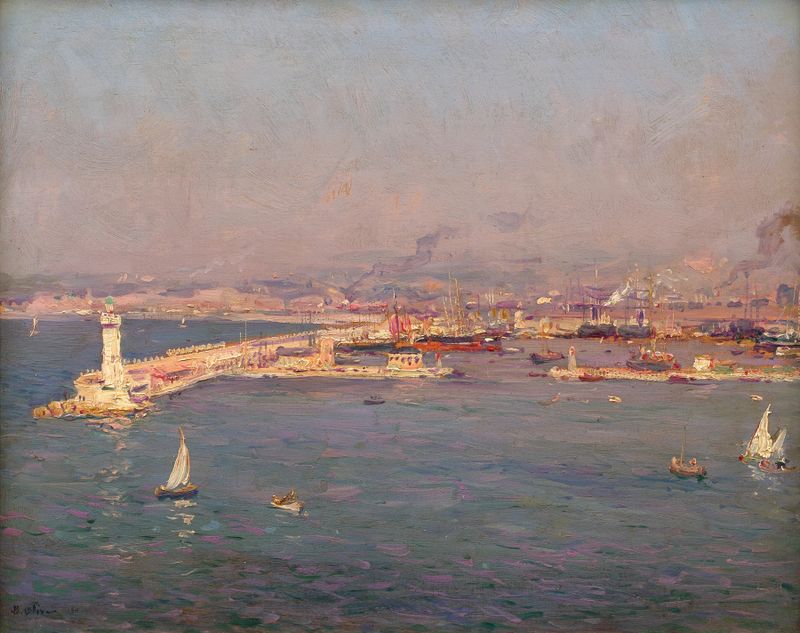
Marseille ; entrée du port de la Joliette
Jean-Baptiste Olive
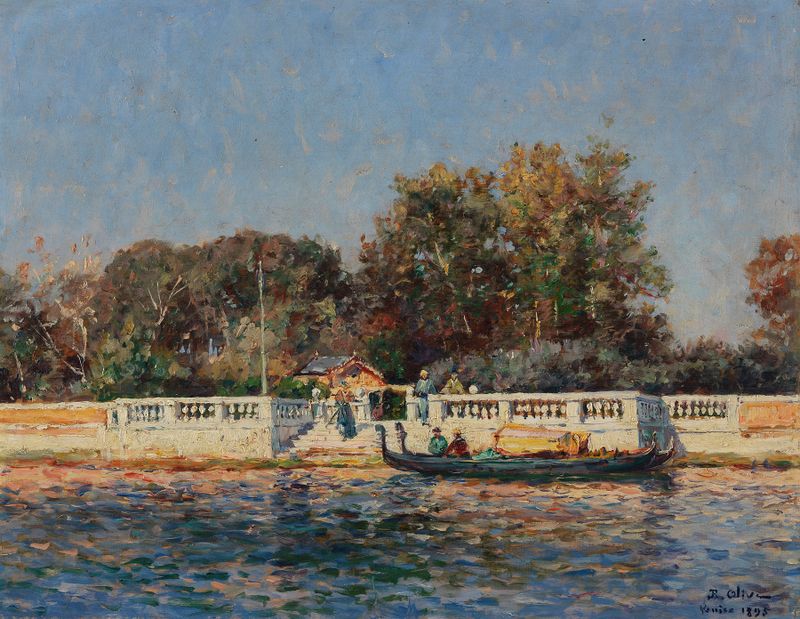
The public park in Venice
Jean-Baptiste Olive

La flotte russe à Villefranche
Jean-Baptiste Olive
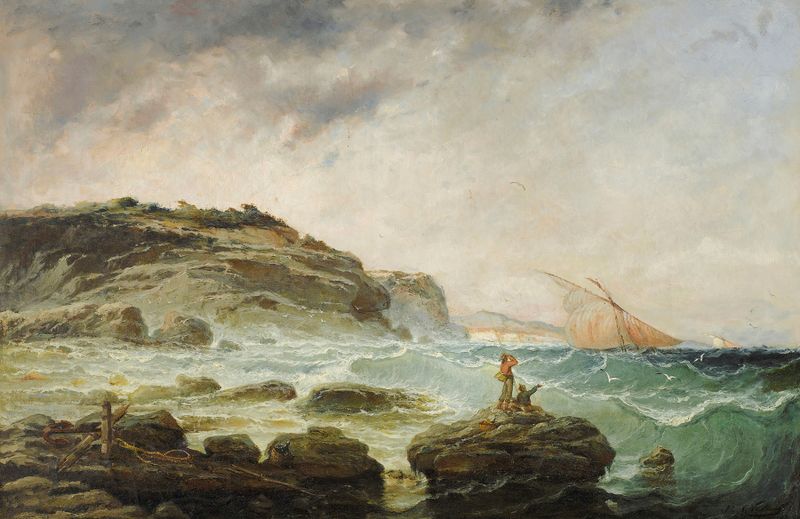
Rough sea around Marseille
Jean-Baptiste Olive
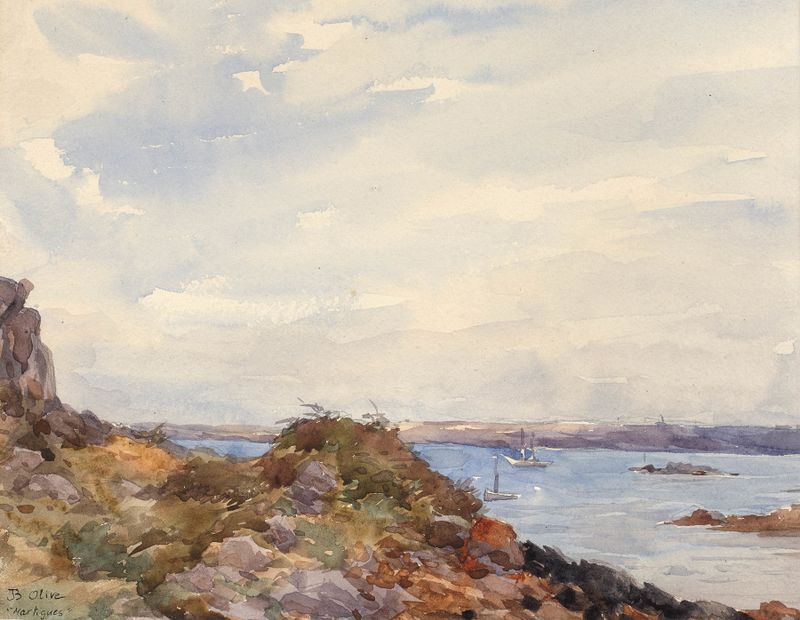
Voiliers dans la baie de Martigues
Jean-Baptiste Olive

Les environs de Marseille
Jean-Baptiste Olive

Le Cabanon de Mr Borel sur la corniche
Jean-Baptiste Olive





